
If you’ve been sustainable furniture shopping lately, you’ve probably noticed reclaimed wood furniture everywhere, and it’s become a go-to phrase in home and interior marketing. On its own, it doesn’t actually tell you much. So here’s what I actually check before recommending a reclaimed piece, plus honest answers to the questions I get asked most.
My take: reclaimed wood is one of the better choices you can make, not only because “reclaimed” is automatically greener, but because a genuinely reclaimed piece tends to be solid, characterful, and built to survive another few decades, and of course, saves contributing to new wood being chopped down. The pieces worth buying are the ones where the seller can actually tell you where the wood came from, how it’s finished, and whether it’s solid. Here’s how to tell the difference.
What Is Reclaimed Wood Furniture, Exactly?
Reclaimed wood is timber that’s been given a second life, pulled from old barns, factories, warehouses, shipping pallets, wine casks, scaffolding boards, even decommissioned boats, rather than freshly felled. Buying it means you’re not adding to demand for new timber, and you’re keeping usable material out of landfill instead. Community Wood Recycling, the UK charity network that runs reclaimed timber yards across the country, estimates that the UK throws away around 5 million tonnes of wood a year, and less than 1% of it gets reused. That’s the gap genuinely reclaimed furniture is helping to close.
Here’s the catch, though: there’s no legal definition of “reclaimed” in UK furniture retail. So a piece can be labelled reclaimed even if it’s really a thin veneer over a new frame, or if “reclaimed style” just means the wood’s been distressed to look older than it is. This is where I recommend it’s worth taking a closer look at the furniture specs before you buy.
Four Things Worth Checking Before You Buy
Where it came from: a seller who can actually name the source (for instance a specific mill, farm, or region) is a good sign. “Sourced from old buildings” with nothing else to back it up, like what region or country it was from, is worth a follow up question. Check the brands sustainability page for more info about where they source the wood from.
How it’s finished: the finish matters just as much as the material. Low-VOC or water-based finishes are better for your home and for the people making the furniture so there’s no toxic off-gassing of chemicals. UL’s GREENGUARD/ GREENGUARD GOLD certification both test for harmful chemicals, so look for either label, or just ask what’s been used. We go into more detail on this in our natural wood finishes guide.
Whether it’s actually solid wood: reclaimed veneer over composite board isn’t dishonest exactly, but it’s a different product, and it should be priced like one. Check for “solid wood” versus “veneer” or “wood effect” in the description. Solid wood furniture is generally always more expensive than veneer.
Certifications, where they exist: reclaimed wood itself usually isn’t FSC certified the way new timber is. FSC UK explains that its Recycled label verifies a minimum amount of genuinely reclaimed content instead, rather than tracking a tree from forest to product. If a brand also sells new-wood pieces, FSC or PEFC certification on those tells you something about how seriously they take sourcing generally. You can read more about this in our sustainability claims guide.
Is Reclaimed Wood Good for Furniture?
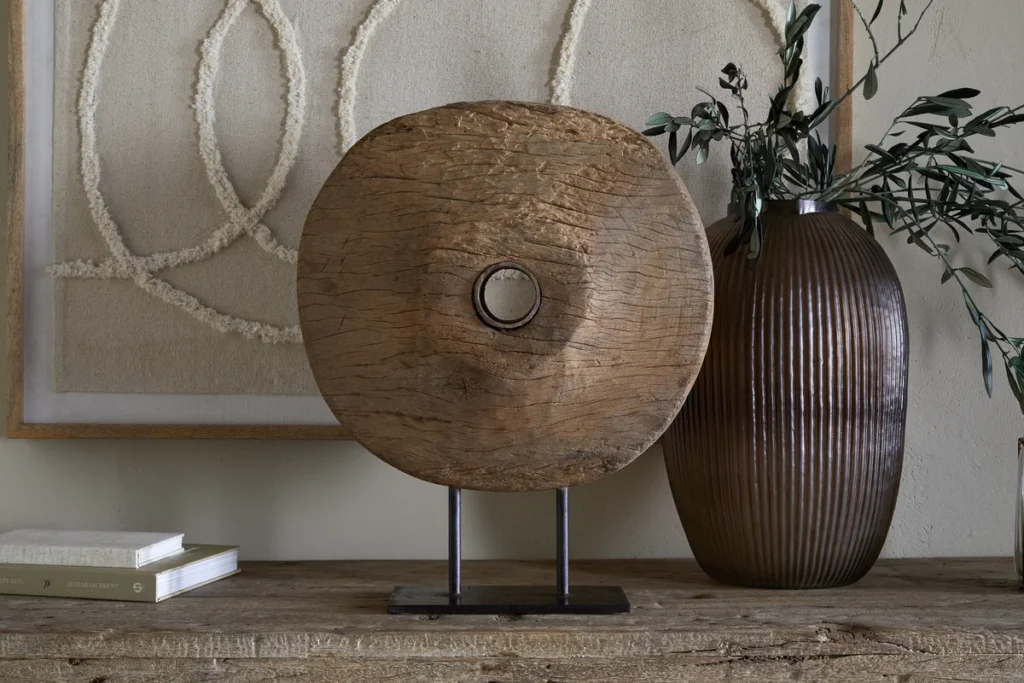
Generally, yes, and honestly, it’s already proven itself. A board that’s survived decades as a barn beam or a scaffold plank has already handled load, weather, and time, which is more than you can say for wood fresh off the saw. Oak, elm, and teak are the hardwoods you’ll see most in reclaimed stock, popular for good reason, they’re dense and slow to decay, according to Rocky Mountain Reclaimed. If you’re interested in making reclaimed wood furniture yourself, the thing actually worth checking isn’t age, it’s condition. Ask about rot, insect damage, or what was done to treat the wood before it reached the workshop.
What Types of Wood Are Typically Used in Reclaimed Furniture?
Most reclaimed pieces are made from whatever was originally used in the structure they came from. That usually means oak (barn frames, flooring), pine (old joinery, packing crates), teak (decommissioned boats, older furniture, prized for weather resistance), and elm or beech (older furniture, flooring), according to Rocky Mountain Reclaimed. Scaffolding boards, usually spruce or pine, are a popular, more affordable option too. The species matters less for sustainability than the sourcing and finish do, but it’s worth knowing what you’re actually buying.
Reclaimed vs. New Sustainably Sourced Wood
Reclaimed isn’t automatically the better choice. It depends on the piece. A well made new piece in FSC-certified timber can have a lower lifetime impact than a reclaimed piece that’s travelled a long way or needed heavy treatment to be usable. That said, the case for non-new furniture is strong: WRAP, the charity behind the furniture industry’s Circular Change Council, estimates that buying reused home furniture rather than brand new could help UK households save £2.37 billion, and avoid 62,255 tonnes of carbon emissions – the equivalent of taking over 28,000 cars off the road for a year. As a rough rule: reclaimed wins on character and avoiding new wood wastage, certified new wood wins on consistency and traceability. Both beat fast furniture bought to be replaced in a few years.
Is Reclaimed Wood Cheaper Than New?
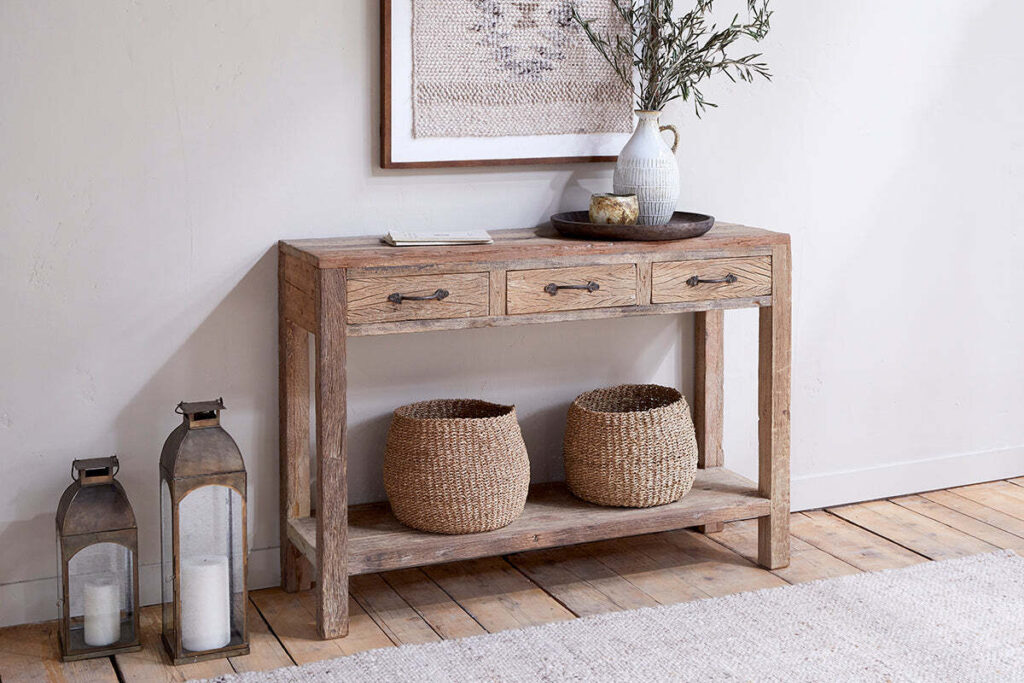
Usually not upfront, and I’d rather tell you that now than have you find out later. Reclaimed timber has to be sourced, de-nailed, checked over, and often re-milled by hand, which takes more time than running new timber through a factory line. Genuinely reclaimed pieces often cost about the same, or a bit more, than comparable new solid wood furniture. Where it tends to win is over time: a well made piece bought once can outlast several rounds of cheaper flat pack furniture. If your budget’s tight and you need something now, a well made new piece from a transparent, certified brand is a perfectly good option too.
How to Clean and Care for Reclaimed Wood Furniture
Reclaimed wood needs a gentler touch than you’d think, not because it’s fragile, but because it’s already textured and imperfect in exactly the ways you’re paying for. Guidance from This Old House on cleaning wood surfaces and general furniture-care practice both point to the same basics:
- Dust (ideally weekly) with a soft, dry or barely damp cloth, and dry the surface straight away if you’ve used any moisture.
- Skip harsh chemical cleaners or abrasive scrubbing, which can strip the patina that makes reclaimed wood worth having in the first place.
- Keep pieces out of direct sunlight and away from radiators, since reclaimed wood can fade, dry out, or move with heat and UV exposure.
- Use coasters, placemats, and felt pads under legs to prevent rings, scratches, and floor damage.
- Reapply a furniture-safe wax or natural oil every few months if the piece has an oiled, rather than lacquered, finish.
If in doubt, ask what finish is on the piece before you improvise with cleaning products. What works on a sealed finish can dull or damage an oiled one.
Is Reclaimed Wood Furniture Still in Style?
Yes, and it’s not just a rustic farmhouse kitchen style anymore. Reclaimed wood suits rustic, natural, “slow home” interiors (warm tones, visible grain, raw edges). It’s also part of the “cabincore” look too: Ideal Home quotes interiors expert Lucy Mather naming “benches and dining tables made from reclaimed wood” as central to that cosy cabin style. It isn’t confined to farmhouse settings either, Houzz UK‘s own styling examples show it working just as well in a sleek Scandi kitchen. It pairs naturally with earth tones and linen, part of why the look and the sustainability angle trend together.
Where to Buy Reclaimed Wood Furniture in the UK
Finding genuinely sustainable reclaimed wood furniture in the UK takes a bit of research. A checklist for spotting things is only useful up to a point. What you actually want is names. So here’s a working list of UK reclaimed wood specialists worth knowing, on top of my own picks below. None of these currently pay Earthly Treasures a commission, so there’s no self interest in this list, just retailers whose sourcing and reviews stood up when checked.
- Community Wood Recycling runs more than 30 reclaimed timber yards across the UK as a charitable social enterprise, training people who might otherwise struggle to find work. A solid first stop if you want to support the model behind the material, not just buy the furniture. They currently feature all kinds of products from planters to tables, bird boxes to bookcases and offer a bespoke carpentry service.
- Reclaim Nation is Bristol-based and sells online with UK delivery. It’s rated around 4 stars on Trustpilot from 1,400+ reviews, with praise for solid, pre-built pieces rather than flat-pack. They offer many different styles and their reclaimed wood is FSC certified. Their comprehensive collection ranges from beds to dining tables, benches, bedside drawers and many more options for all around the home. They don’t make all their furniture in house and collaborate with external suppliers if this is something that matters to you.
- Authentic Reclamation is a reclamation yard on the Kent/Sussex border that’s been trading for over 30 years. It’s best known for reclaimed building materials, but it has a furniture range too offering items such as tables, chairs, chest of drawers, cupboards, dressing tables, boxes and more and they deliver UK-wide.
- Somerset Wood Recycling is a community interest company in Weston-super-Mare making bespoke furniture from timber salvaged locally. Profits fund training for people facing addiction, mental health difficulties, or long-term unemployment. They offer dining tables and benches, planters, side tables, storage and more at their shop and they also offer bespoke or made to measure furniture too if you are wanting something more customised.
- RCC Furniture is a Sheffield workshop specialising in bespoke, industrial-style reclaimed furniture, and it delivers UK-wide. They offer a comprehensive home selection of furniture including dining tables, benches, beds, outdoor tables, coffee tables, desks and sideboards, but to name a few, and in a range of different styles from rustic to raw edge to scandi.
We haven’t bought from all of these ourselves, so treat this as a starting list, not a verdict on any of them, and do your own version of the checks above before you commit. If you’ve bought from a UK reclaimed retailer you rate and don’t see here, we’d genuinely like to hear about it so drop it in the comments section below!
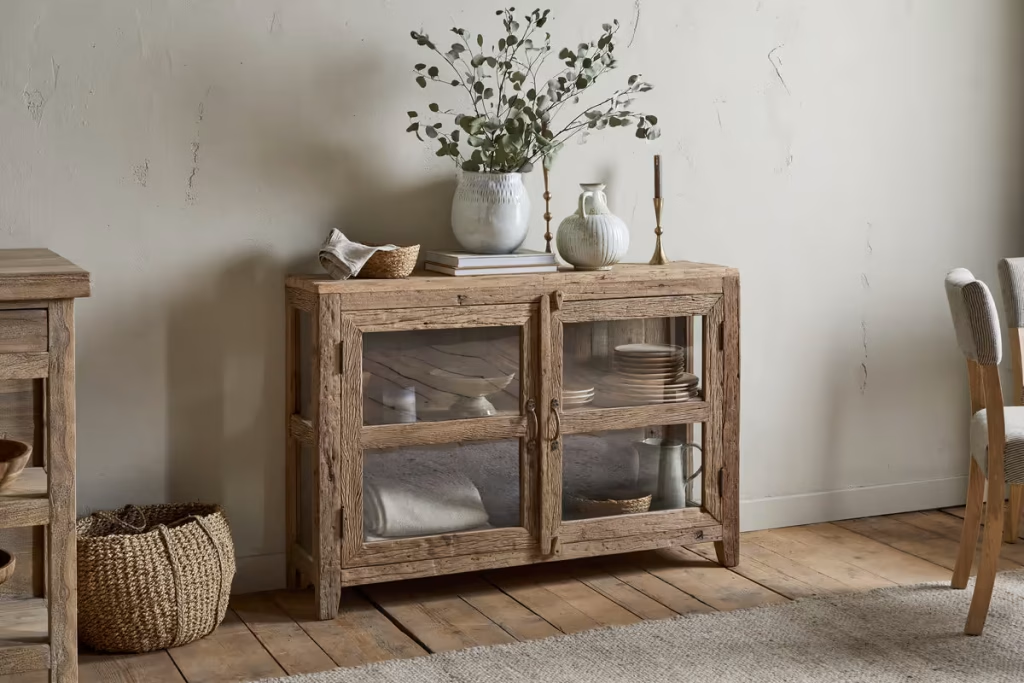
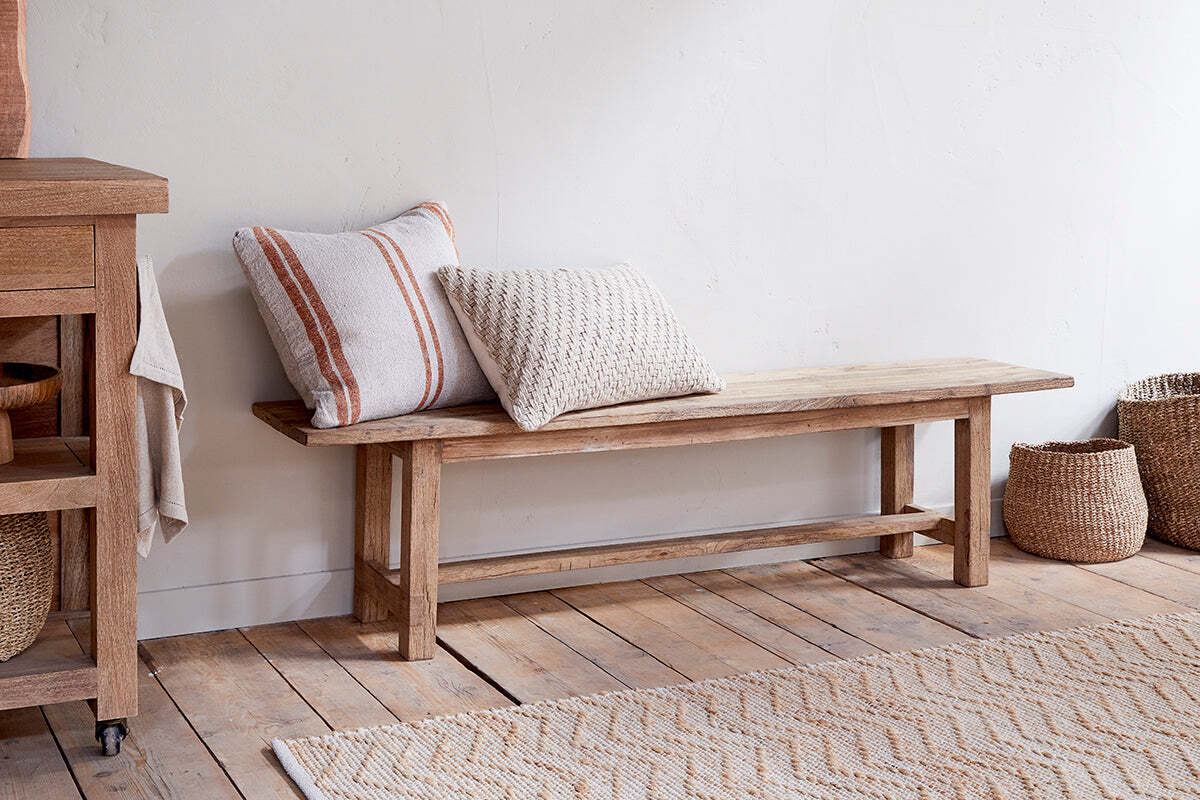
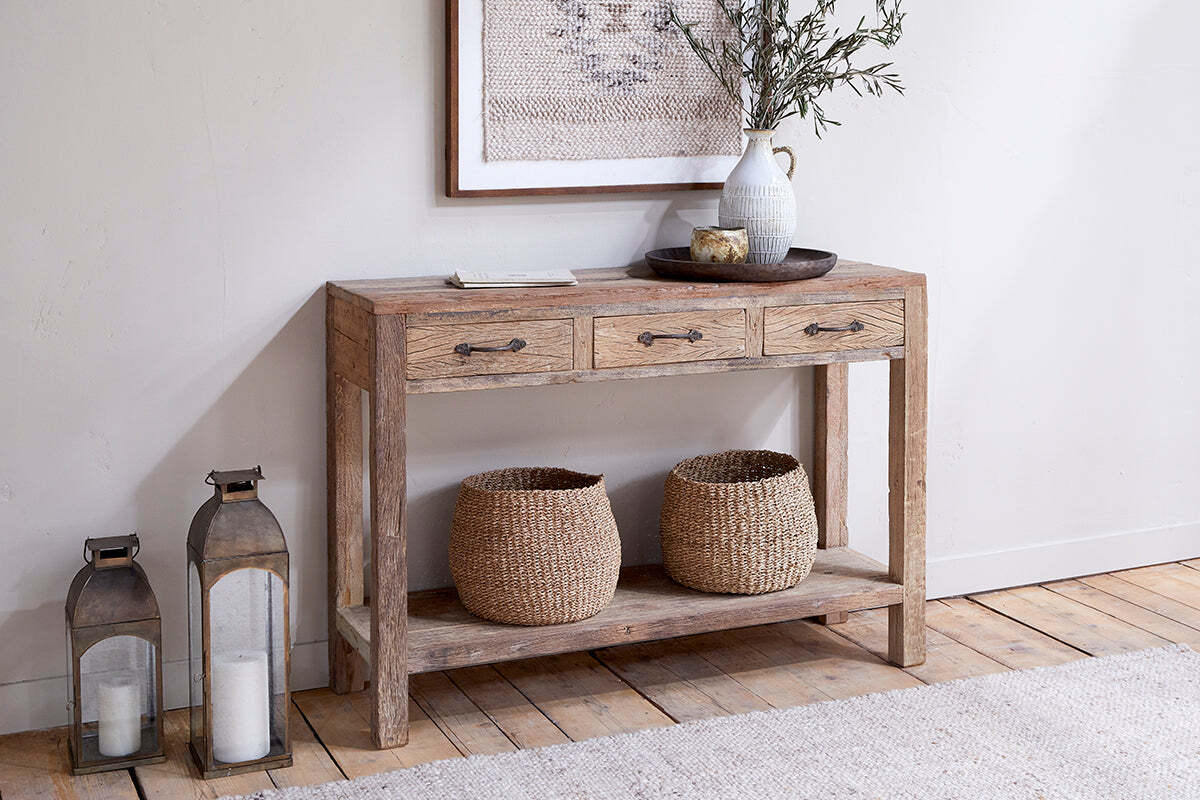
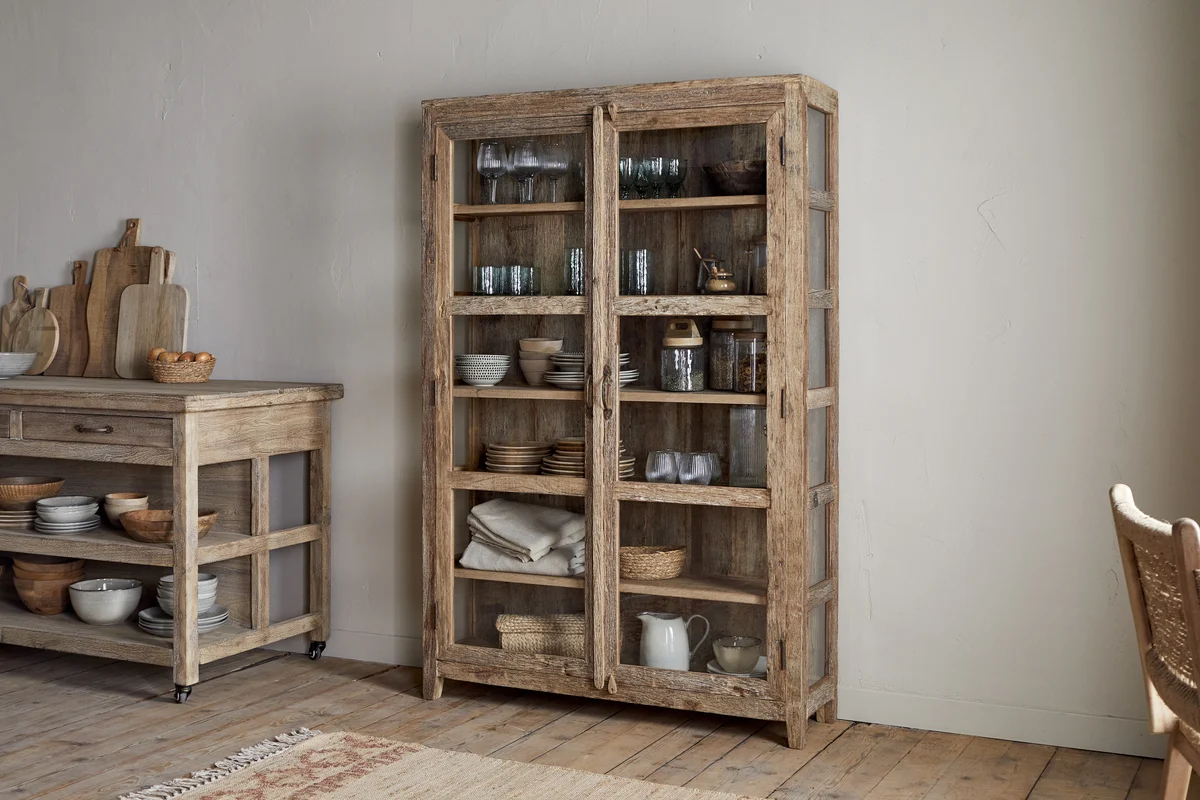
Our Reclaimed Wood Picks
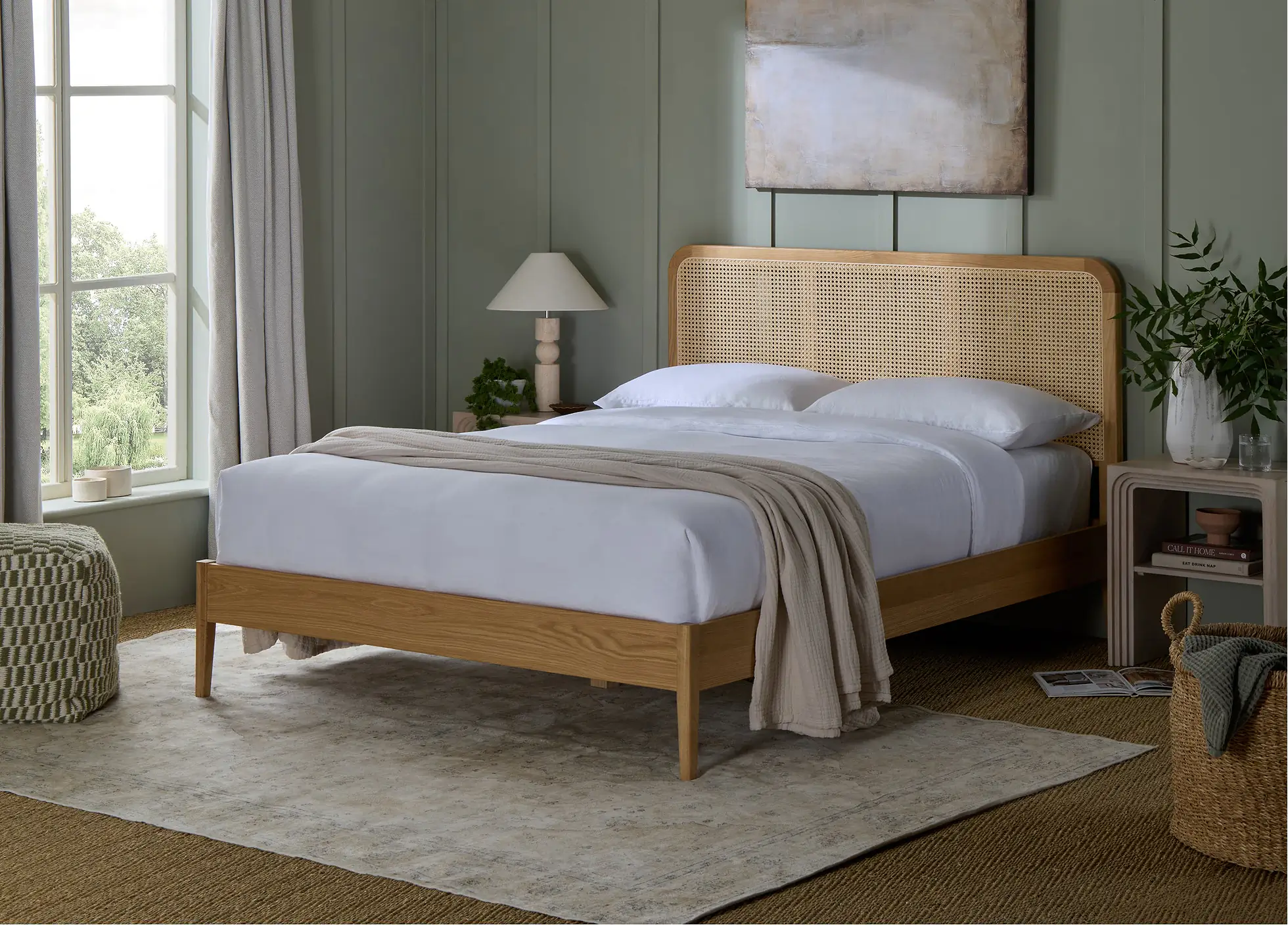
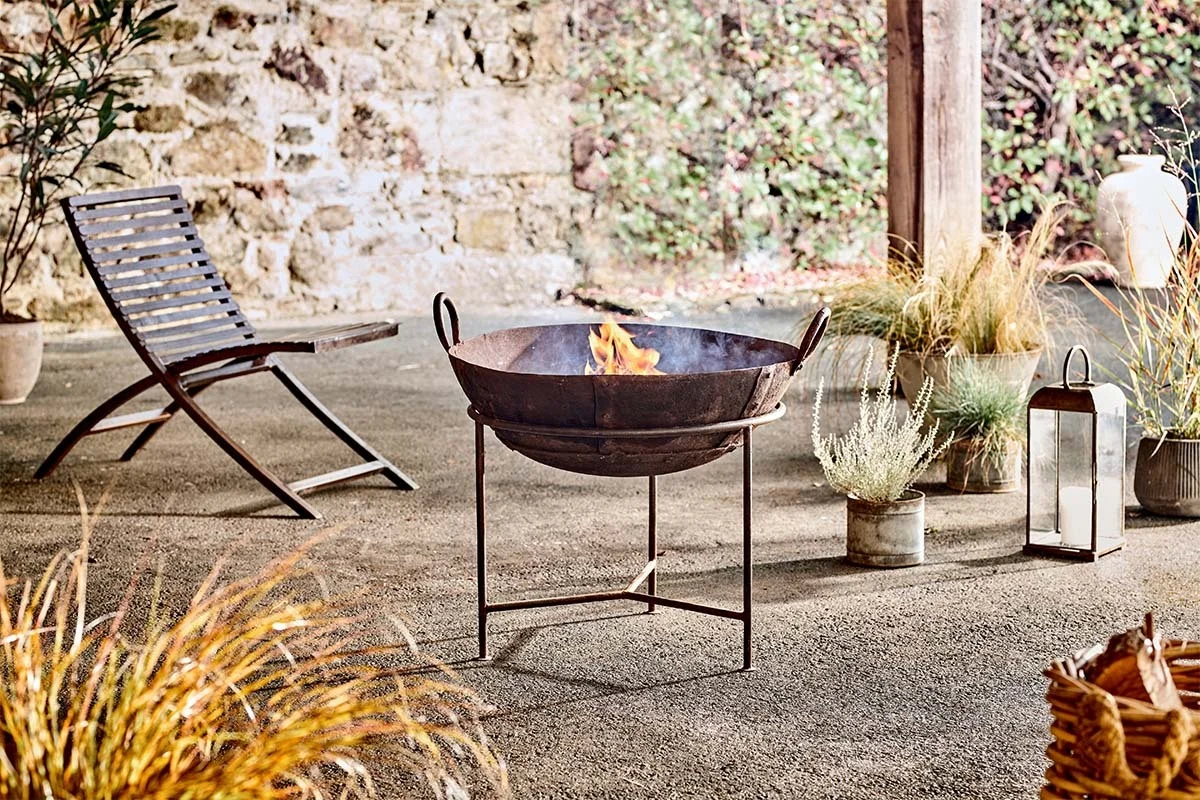
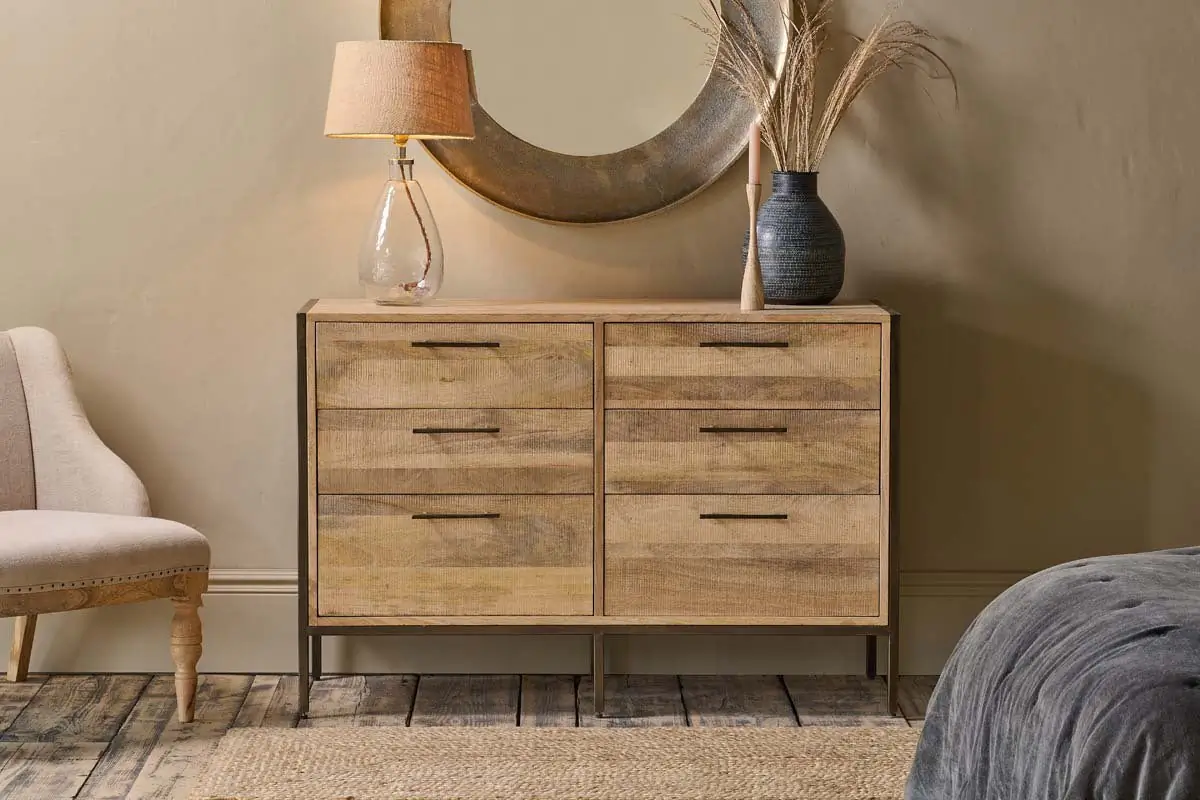
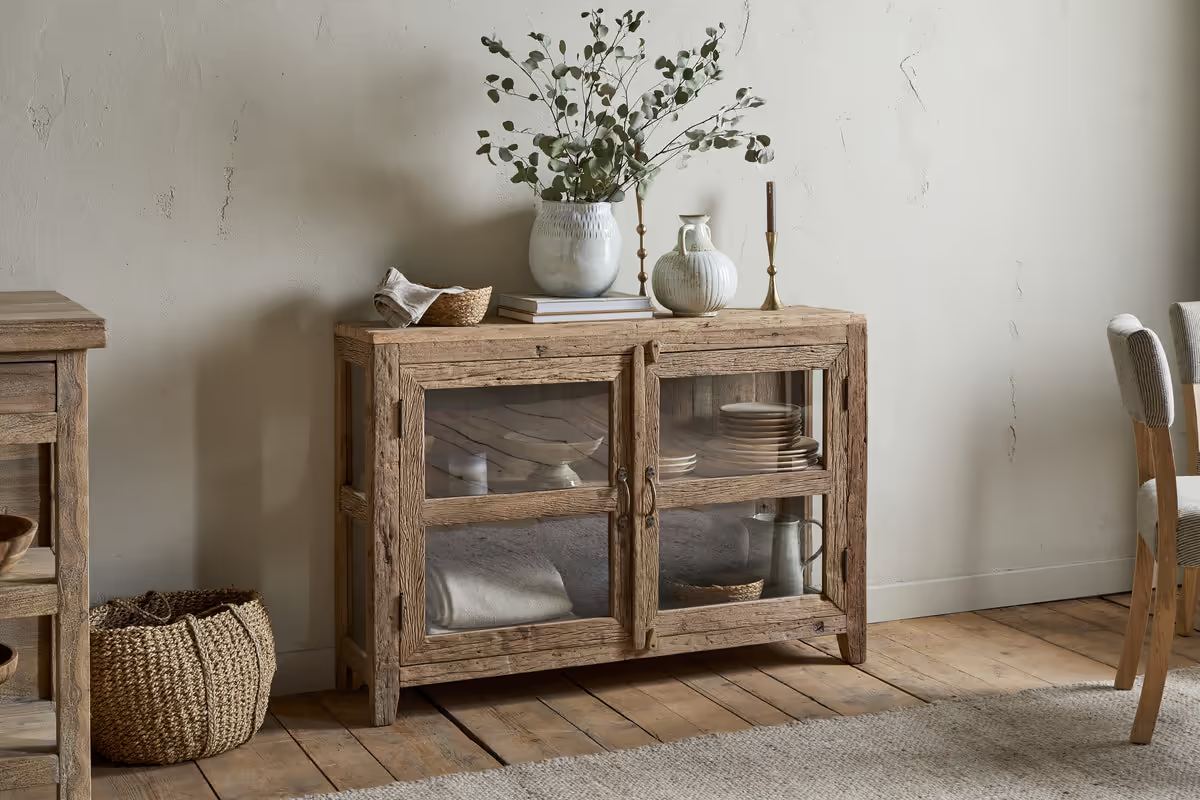
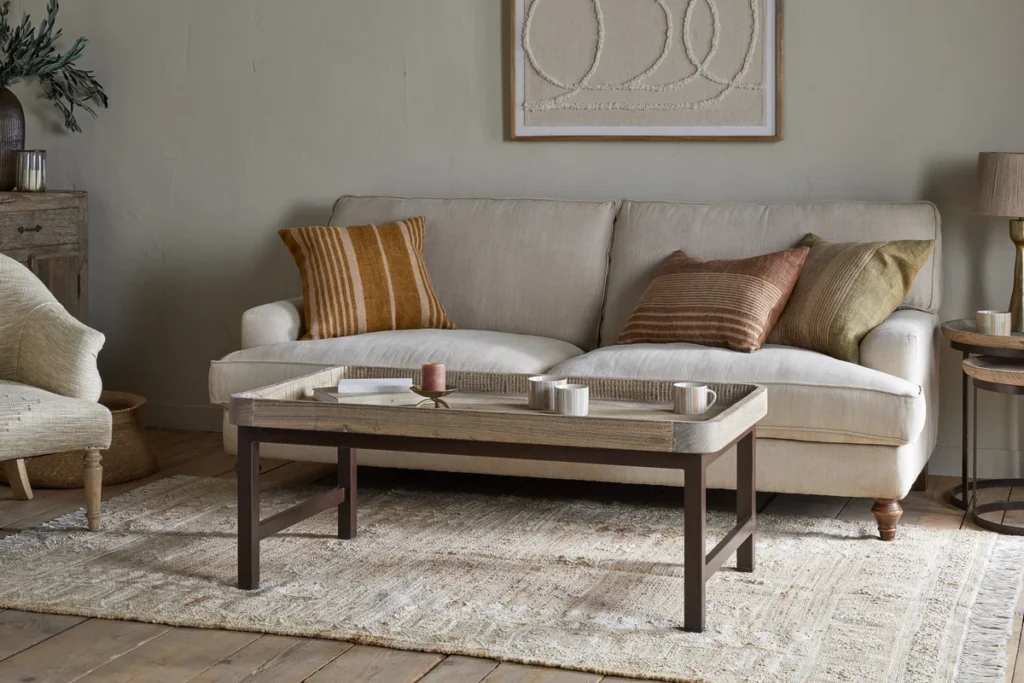
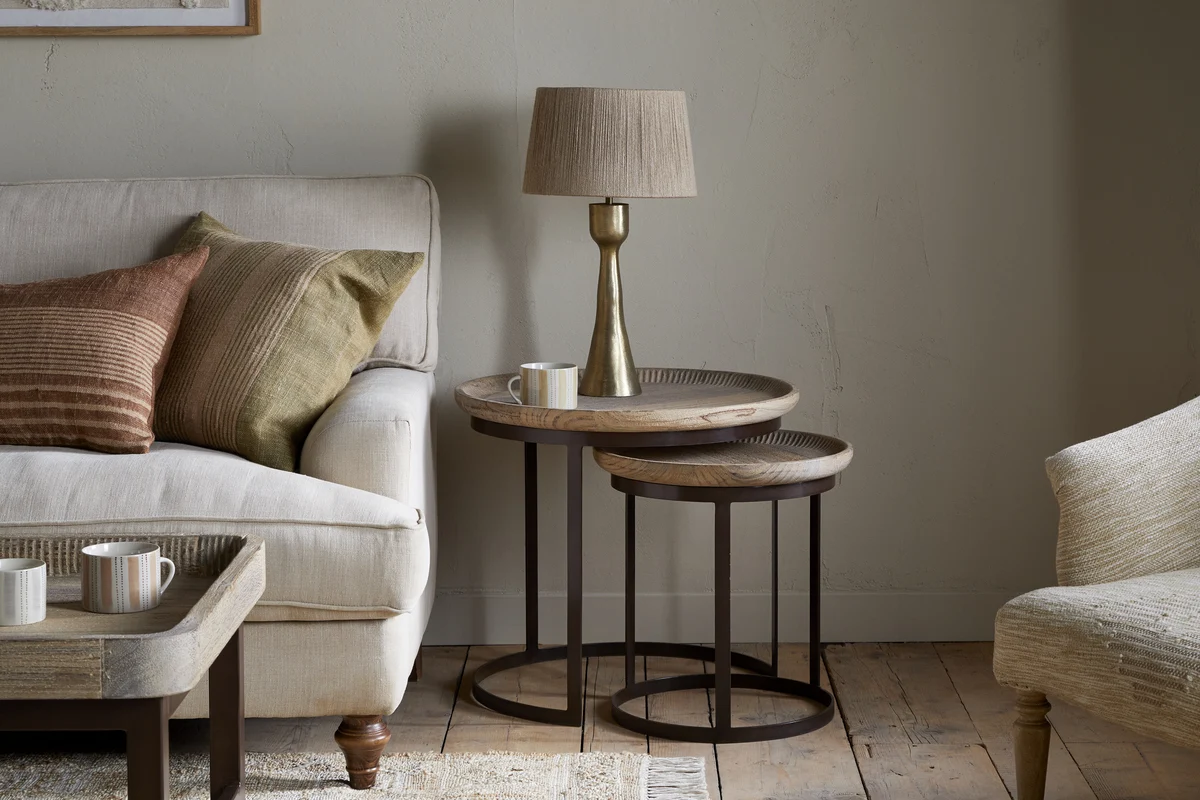
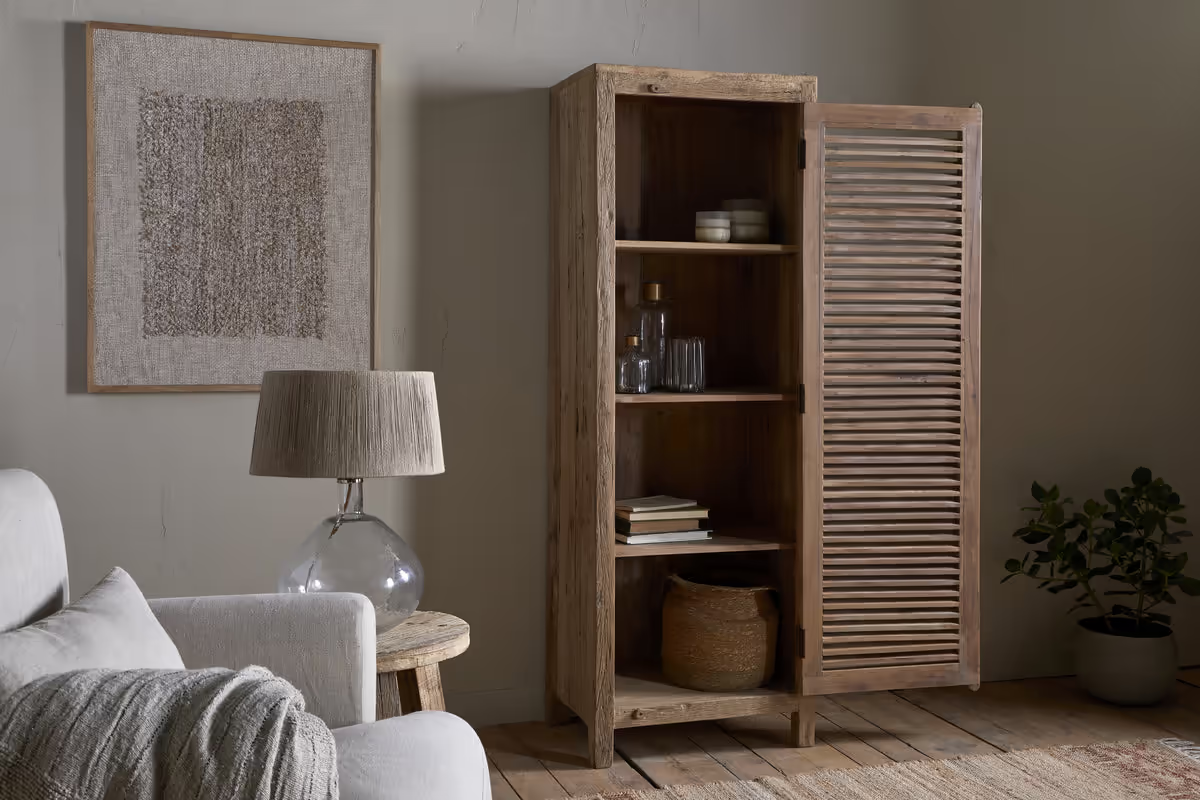
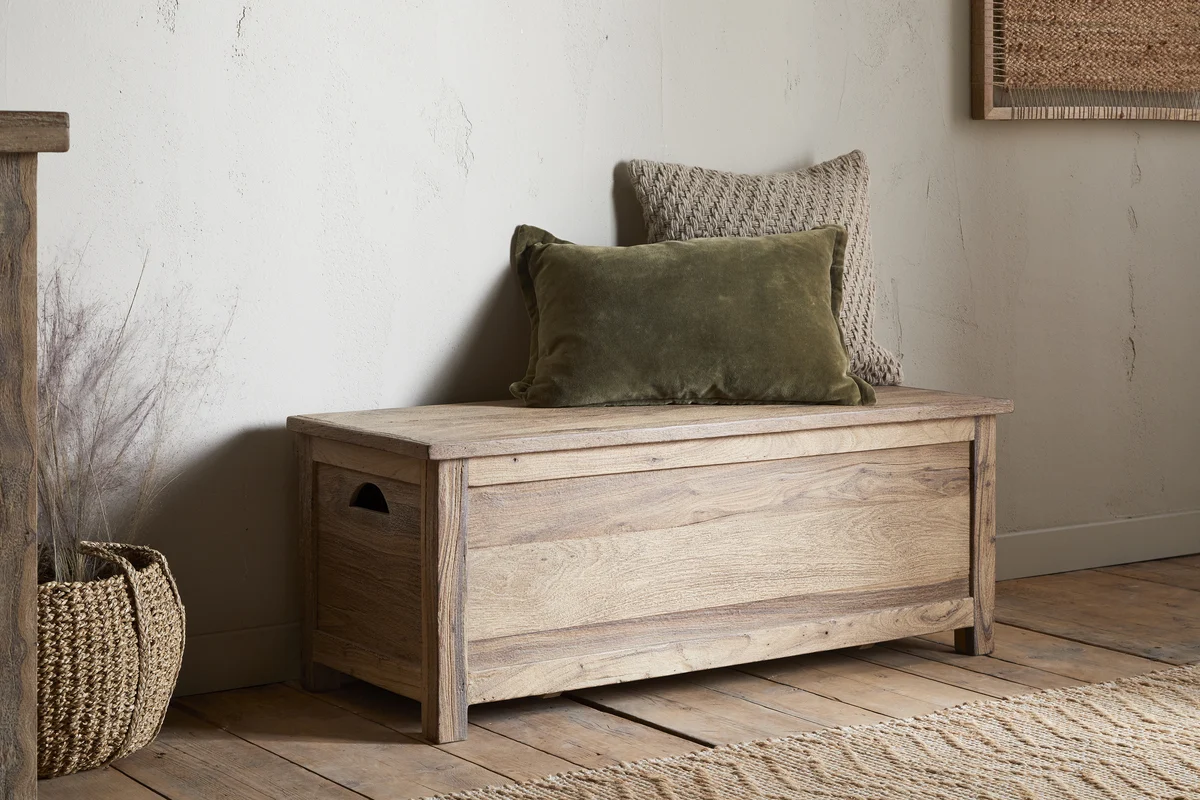
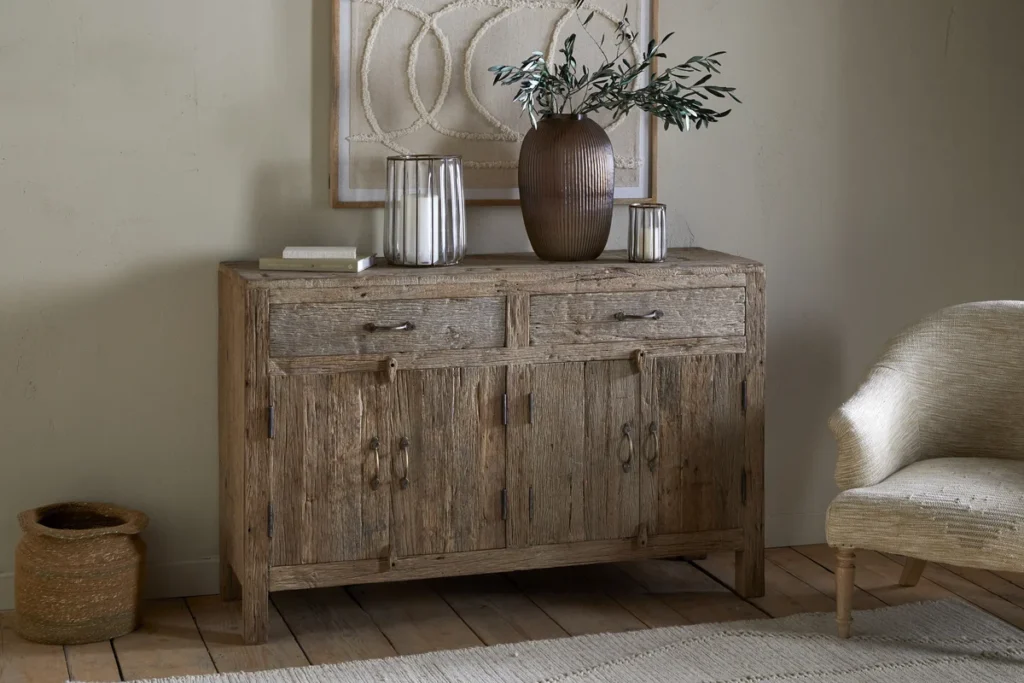
A note on how I picked these: everything below is listed by the retailer as solid reclaimed wood based on the product listing, not “reclaimed style” or veneer. All are from Nkuku, available through Earthly Treasures.
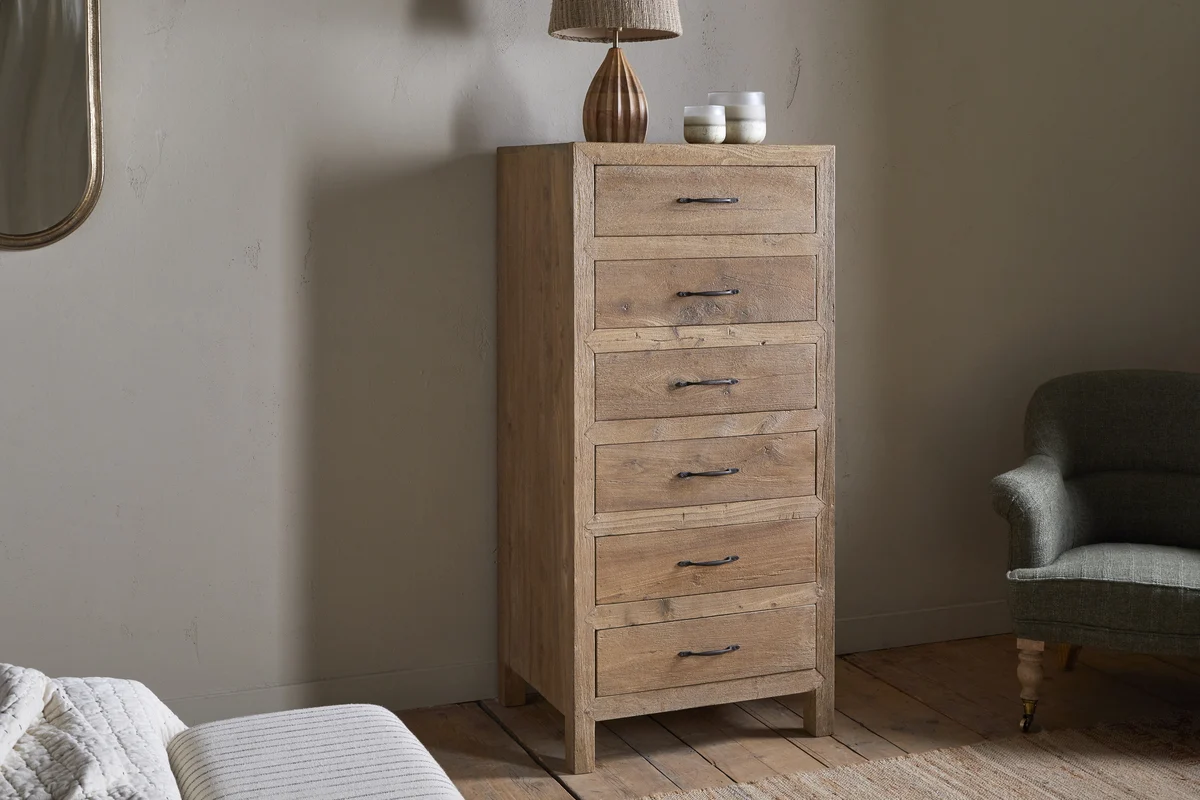
Quick Answers
Is reclaimed wood furniture safe? Generally, yes, once it’s been properly cleaned, de-nailed, and checked for old paint or treatments. A transparent brand will be able to tell you what’s been done to prepare it.
Can you stain reclaimed wood furniture? Usually, yes, if it’s been sanded back first, though weathered surfaces can stain unevenly, which is often part of the look people are buying it for. It depends what kind of finish you are looking for as to what treatment you should apply.
Do reclaimed wood pieces come with a warranty? It varies by retailer, so check the returns and warranty terms before you buy rather than assuming.
The Bottom Line
“Reclaimed” is a good starting signal, not a guarantee. The pieces worth buying are the ones where the seller can actually tell you where the wood came from, how it’s finished, and whether it’s solid, not just that it’s “reclaimed.” We hope this guide has made that easier to spot.
Sources
- Forest Stewardship Council UK, recycled materials guidance
- Community Wood Recycling, our story
- WRAP, eBay and WRAP launch Circular Change Council
- UL Solutions, what does GREENGUARD Certified mean?
- OEKO-TEX, STANDARD 100
- Houzz UK, trends: elevate your interiors with beautiful reclaimed wood
- Ideal Home, cabincore is the new cottagecore
- Which?, how to spot an online shopping scam
- This Old House, clean grime from woodwork
- Rocky Mountain Reclaimed, common species found in reclaimed wood