
The bedroom isn’t always the first room people think to plan around. It isn’t where you spend your waking hours (that’s usually the kitchen or the living areas), but it is where you spend roughly a third of your life, asleep for about eight hours a night. That’s worth pausing on, because the materials surrounding you while you sleep get a prolonged, close contact that’s important for your health.
For some people, it can be the last room in the house to get a considered refresh. Living rooms and kitchens can often get the attention, since they need to be durable and functional. However, there’s a solid case for prioritising your bedroom, as sleep affects so much of our daily health. Furniture and furnishings are named among the everyday sources of volatile organic compounds (VOCs) found indoors, and UK public health guidance sets out exposure levels worth being aware of in the home (DEFRA, Indoor Air Quality Report). Therefore, it is a reasonable argument for choosing natural and non-toxic materials, breathable fabrics, and finishes you actually understand, particularly in the one room where you’re lying all night.
A sustainable bedroom furniture refresh usually covers more than just a bed frame, too. Mattresses, wardrobes, chests of drawers, rugs and home decor are just as much a part of the room, alongside what you actually sleep in and under. This guide works through the main pieces one by one, so you can build a bedroom that’s calm, considered, and kinder to both you and the planet, and helps you to decide if you actually need to replace anything (or if you don’t!). If you’re starting from scratch and have the luxury to make sustainable choices from the start, here are some top picks below.
Table of Contents
How to Choose Genuinely Sustainable Bedroom Furniture
Before we get into specific pieces, it’s worth being honest about what “sustainable” actually covers, because it isn’t just one thing. As I’ve written about in more depth in the guide to understanding sustainability claims, a product can be doing brilliantly on one front (say, using a reclaimed or recycled material) while being less sustainable on another (like the long distance it’s travelled to reach you). Very few pieces score full marks on everything, and that’s normal. Unless you are handmaking a furniture piece yourself or getting a cabinetmaker in your local town to do it from FSC or reclaimed wood, using only renewable energy and recycled metals, it can be very difficult to get a piece that ticks all the sustainability boxes. And let’s be honest, for some, they don’t need or want to go to that length, and in today’s economy that’s not always realistic. That’s why I suggest looking out for the below points, if your budget doesn’t stretch that far, but you’re still wanting a more considered choice, as doing something kinder for the planet is always better than nothing.
For choosing sustainable bedroom furniture specifically, the areas worth paying attention to are: the material a piece is made from, how durable it is, whether the textiles involved carry any third party certification, and how honest the brand is being about all of it. Keep those four in mind and you’ll make good decisions even without becoming an expert on every certification going.
Choosing a Sustainable Bed Frame
Your bed frame is the biggest single piece of furniture in the room, and the material it’s made from matters for your health and also durability. Several materials can be considered as more sustainable options, just for different reasons. Here’s some of the main options I’d consider:
FSC Certified Solid Wood
FSC certification verifies that timber comes from a responsibly managed forest, with traceability through the supply chain, making it one of the most recognised standards on any solid wood frame.
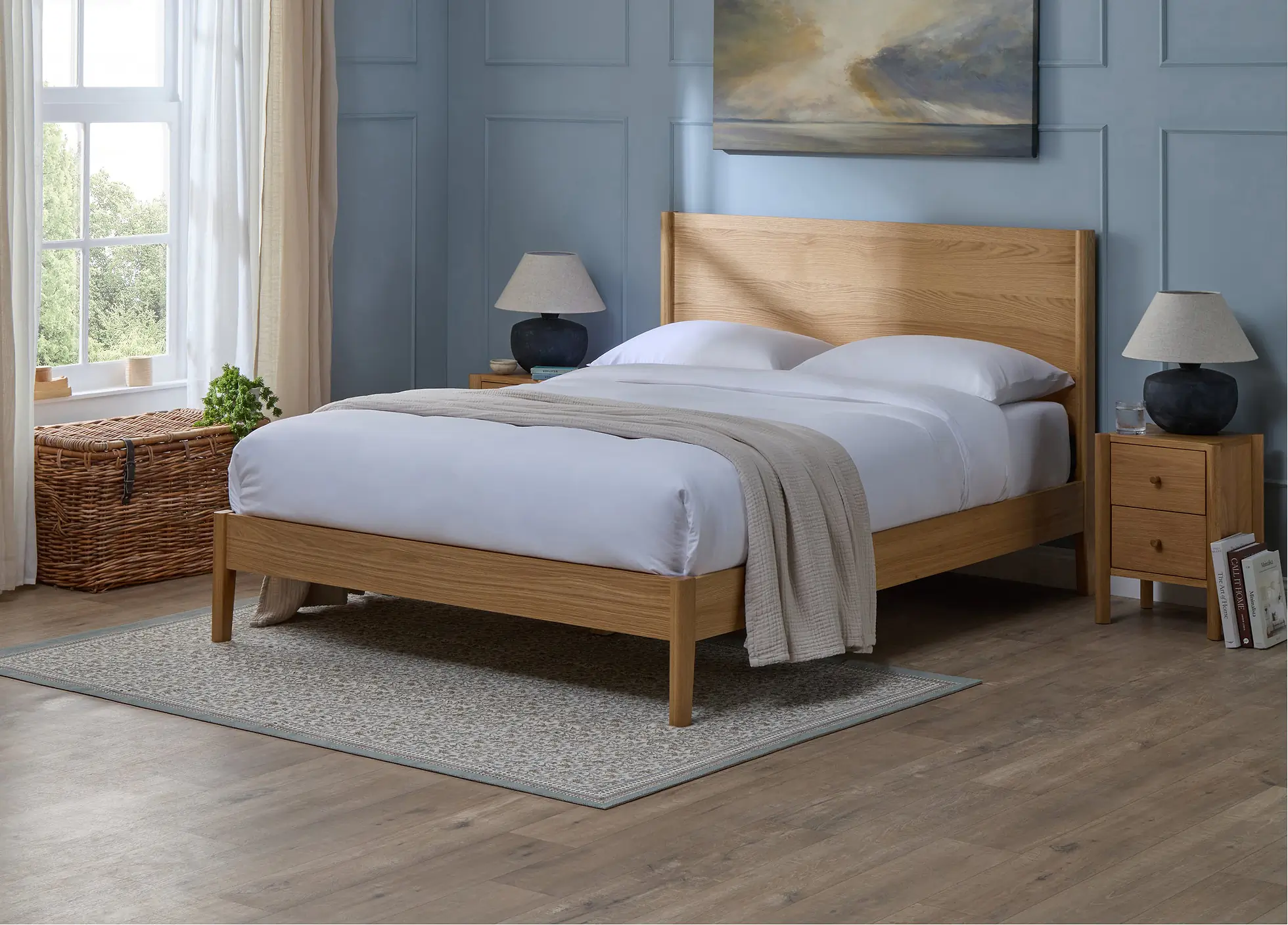
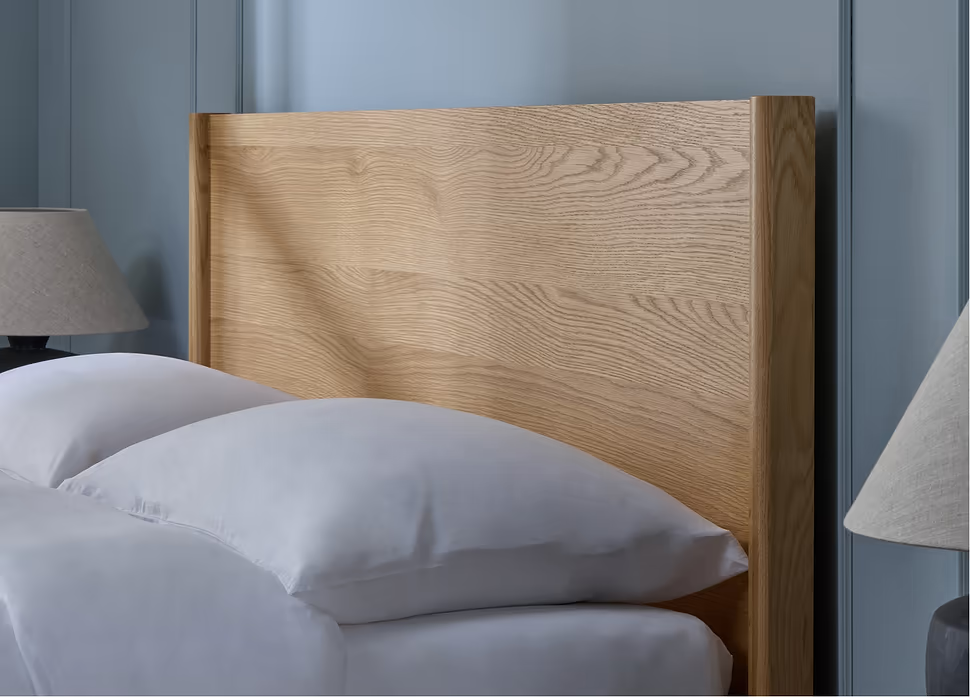
The Epping bedframe from Simba sleep is crafted from FSC certified European Oak wood and oak veneer and comes with a 10 year guarantee. It’s minimal and sleek, so would suit a range of interior styles from modern, to coastal, Scandi, Japandi and cottagecore farmhouse style. It also comes with the option of an under bed Ottoman storage to keep your bedroom tidy. For an FSC certified bedframe, the Epping is a fantastic choice.
Mango Wood
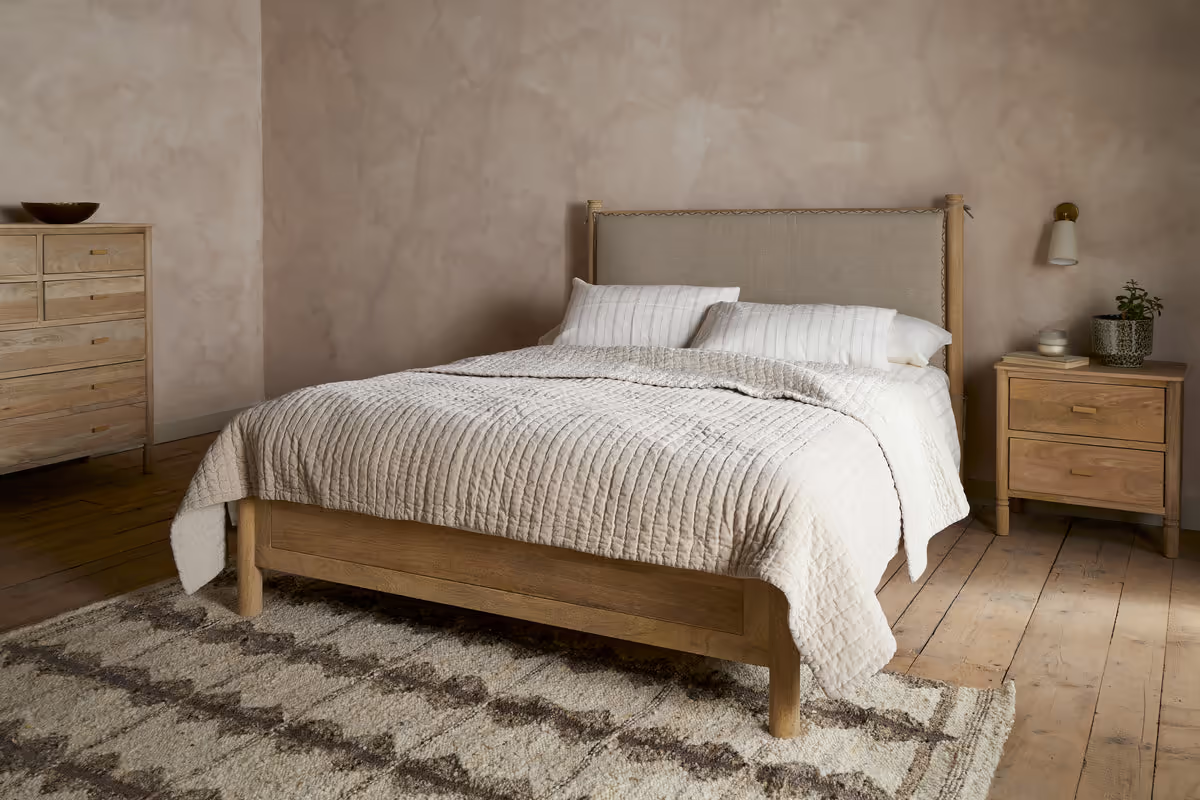
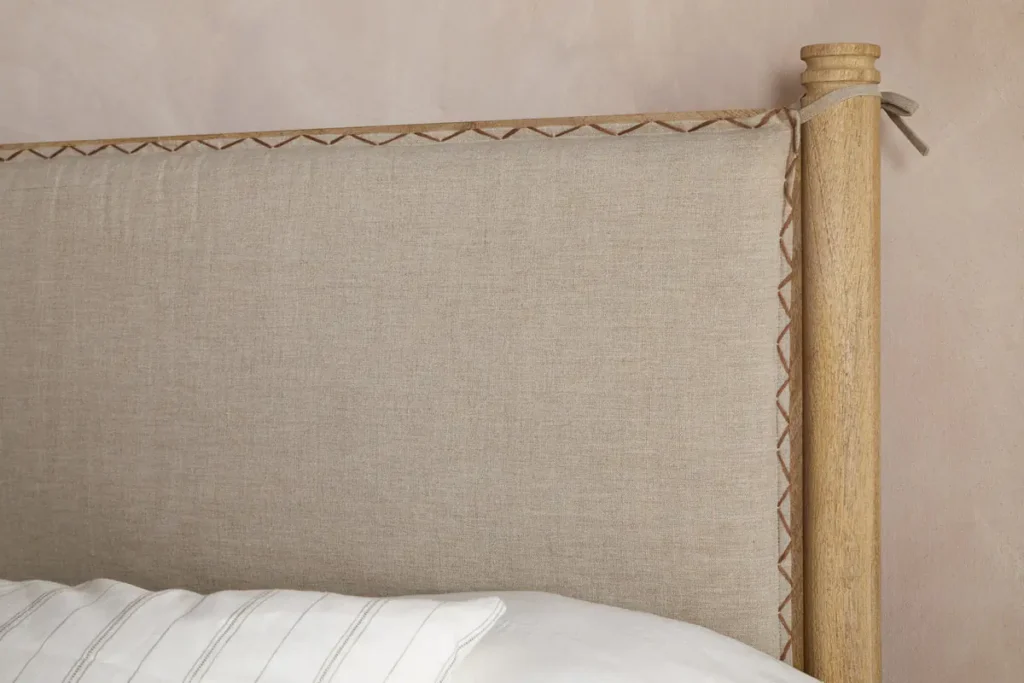
Mango wood is a genuine by-product of the mango fruit industry, felled at the end of its fruiting life rather than grown for timber, and it’s naturally dense and durable. Nkuku’s furniture is hand made by artisans using traditional joinery, and some pieces are left unfinished or given a natural hardwax finish. The Sri mango wood bed by Nkuku comes with a removable linen headpad in either Moss Green or Natural colours to pair with any calming interior for that slow living look.
Reclaimed Wood
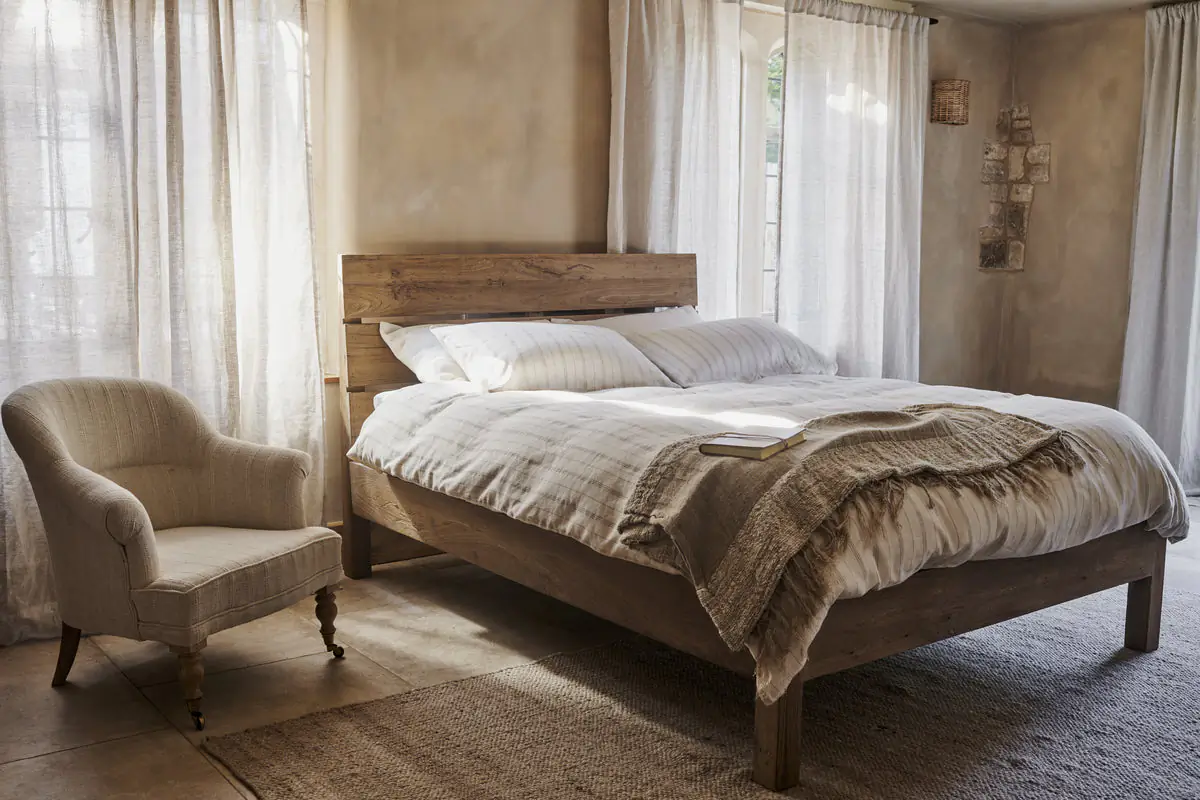
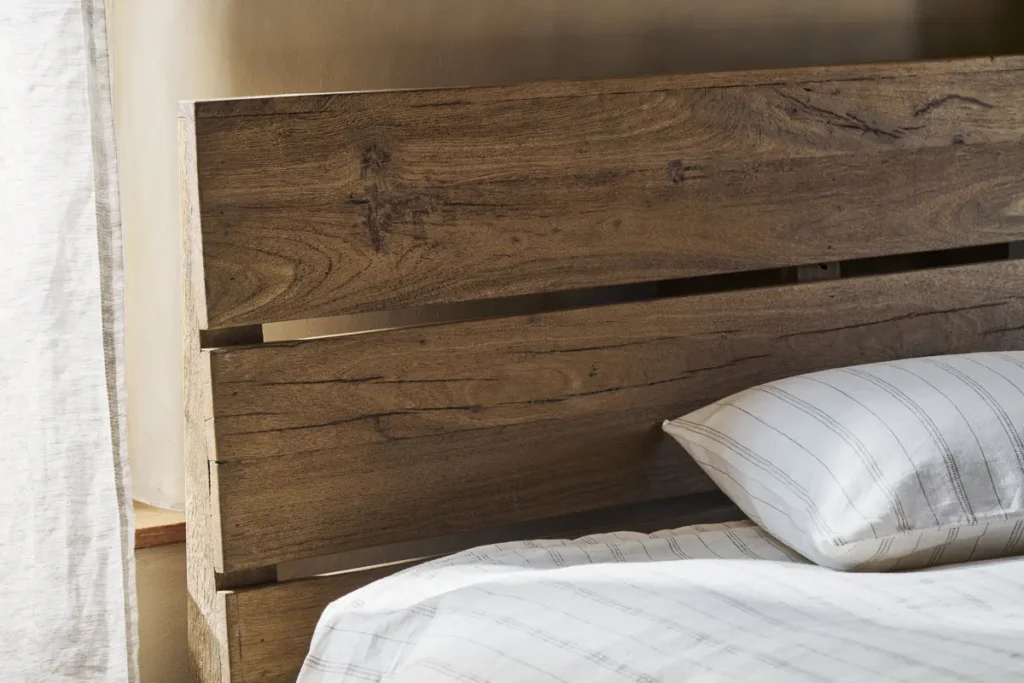
Reclaimed timber, salvaged from old buildings, scaffolding, or other furniture, sidesteps new deforestation entirely and comes with genuine character. It’s a smaller, more specialist part of the market, so search specifically for reclaimed wood bed frames. The Iya reclaimed wooden bed brings a rustic character to any bedroom and would look wonderful in a rustic cottage interior with either gingham check or ditsy floral print bedding or cushions.
Acacia Wood
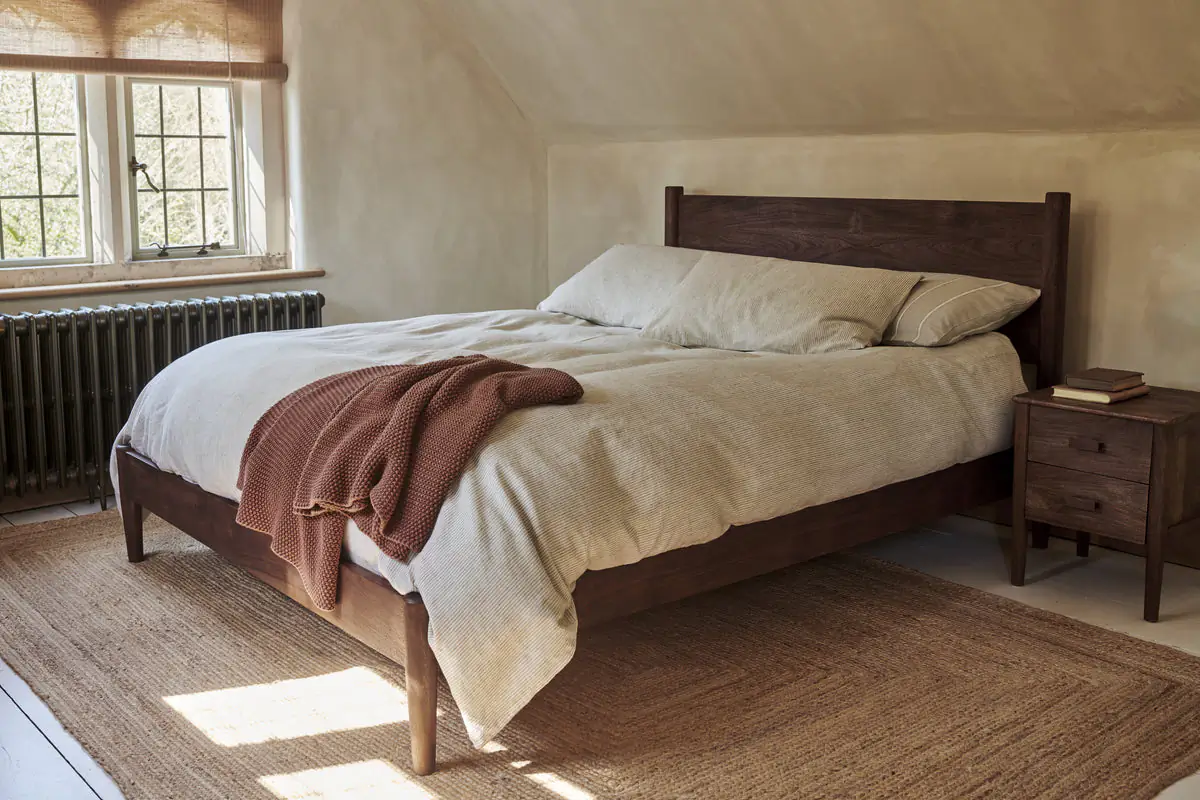
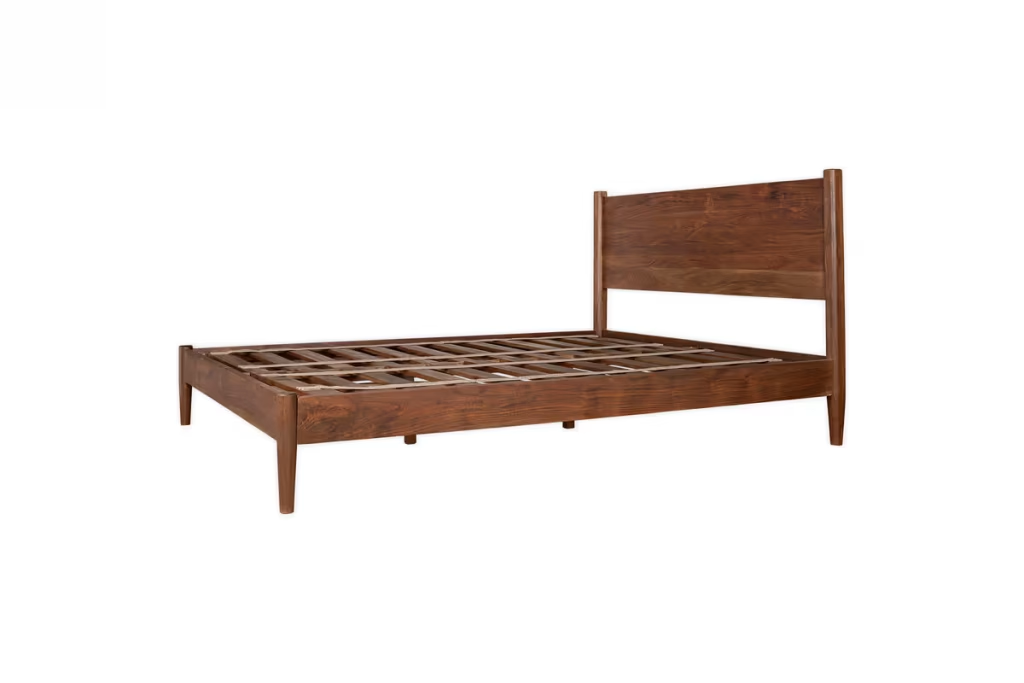
Acacia is another dense, durable hardwood worth knowing about beyond mango and reclaimed wood. Acacia grows much faster than traditional hardwoods like oak or teak (between 10-25 years) and their fast regrowth means that they can be replenished rapidly without causing long-term deforestation. They also thrive in poor soil, and require few chemicals or water. This Acacia bed from Nkuku below is a solid option and comes in a lovely walnut finish, suiting the mid century modern style very well.
Metal and Iron
Steel can be recycled repeatedly without losing its properties, according to the World Steel Association, and a well made metal frame is typically very durable. For iron, look for recycled content specifically, or a genuine vintage iron frame, rather than assuming any metal frame is automatically the lower impact choice.
Rattan and Natural Fibre
Natural rattan is fast growing, biodegradable, and makes for a lightweight frame or headboard. Rattan is a climbing palm, and some species can grow to an astonishing 100 metres, according to WWF. Unlike timber, it grows best under existing tree cover rather than needing land cleared for it, so harvesting rattan is another important reason for bio diverse tropical rainforests to be preserved and managed responsibly so rattan harvesting can continue.
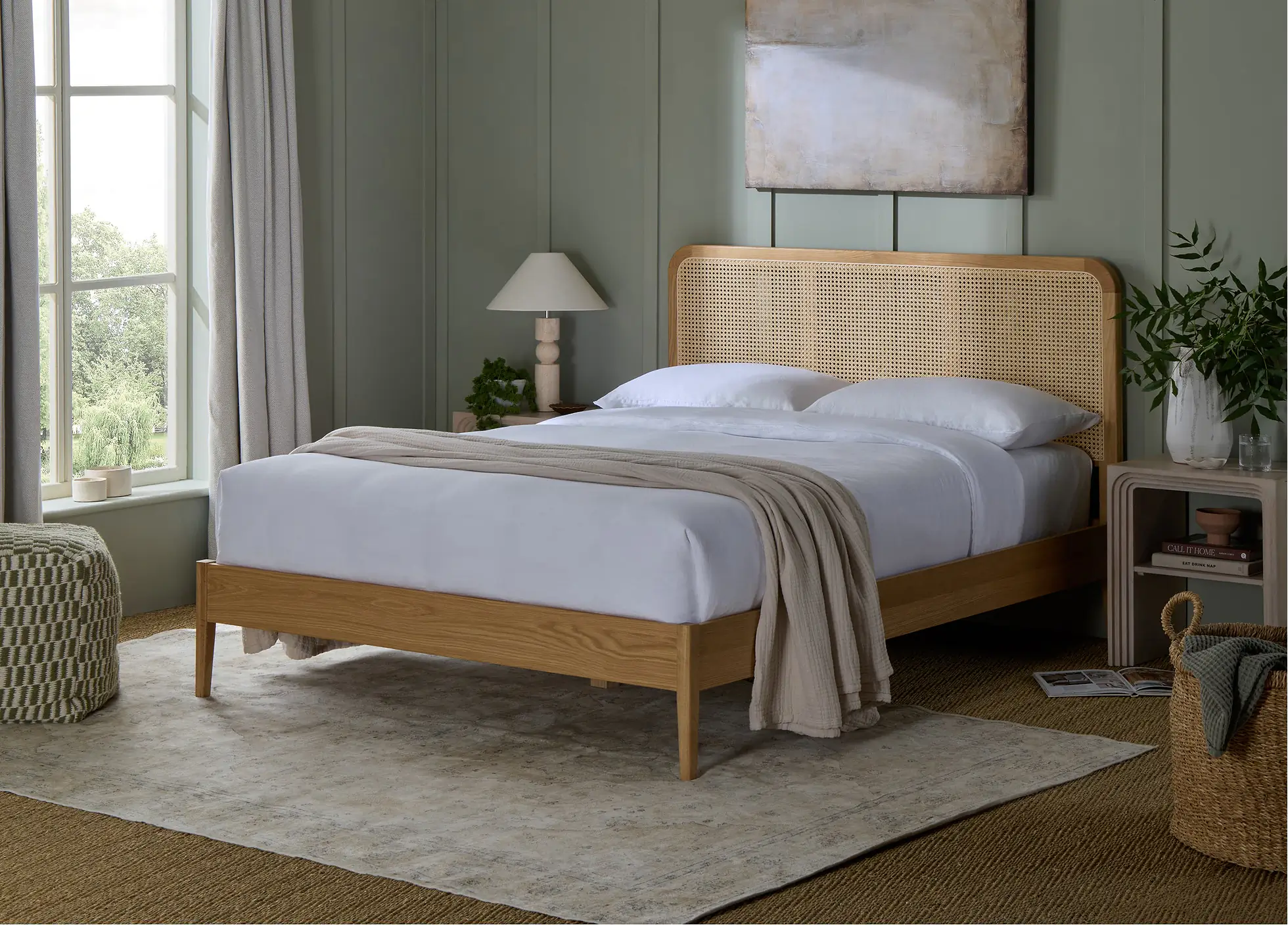
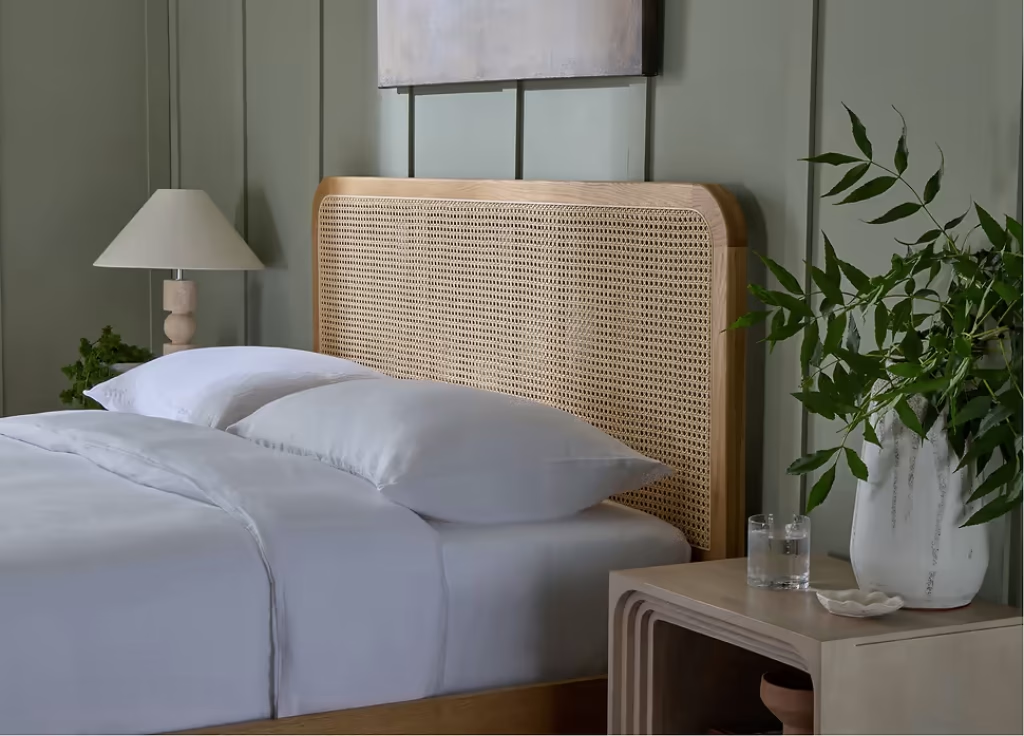
If you like the look of rattan and also want the sturdiness of a solid frame underneath, the Fernley from Simba Sleep pairs a FSC-certified European Oak wood and oak veneer with a woven rattan headboard, a nice middle ground between the two materials.
Upholstered Frames in Certified Natural Fabric
For a softer and more comfortable look in your sustainable bedroom, linen, hemp, organic wool, rPET (recycled polyester) and recycled cotton (rather than new, resource intensive cotton) are all excellent choices for an upholstered bed frame. Check for the Global Organic Textile Standard (GOTS) or OEKO-TEX Standard 100 labels to ensure the fabric has no harmful chemicals. If you want to take it a step further, check with the brand what’s underneath the fabric too for the backings, glues and the frame. Ask if the brand uses water-based adhesives and avoids heavy chemical stain guards (like PFAS) that can ruin an otherwise eco-friendly fabric. It’s also worth asking what’s underneath the fabric, for what happens to it eventually. Particleboard and MDF are bonded with a resin, usually urea-formaldehyde, which is specifically what makes them difficult to recycle at end of life. Solid wood, by comparison, can typically be repaired, refinished, or recycled as timber once you’re done with it.
Secondhand and Vintage
Buying secondhand sidesteps the manufacturing footprint entirely, arguably one of the most sustainable options of all. Marketplaces like Vinterior, local auction houses, and secondhand furniture apps are worth checking if you’re looking to buy second hand.
Sustainable Bedside Tables
Bedside tables are a smaller purchase, but they’re also one of the easiest options to make a genuinely sustainable choice as there’s a wide range of well made, responsibly sourced material options at every budget.
Mango Wood
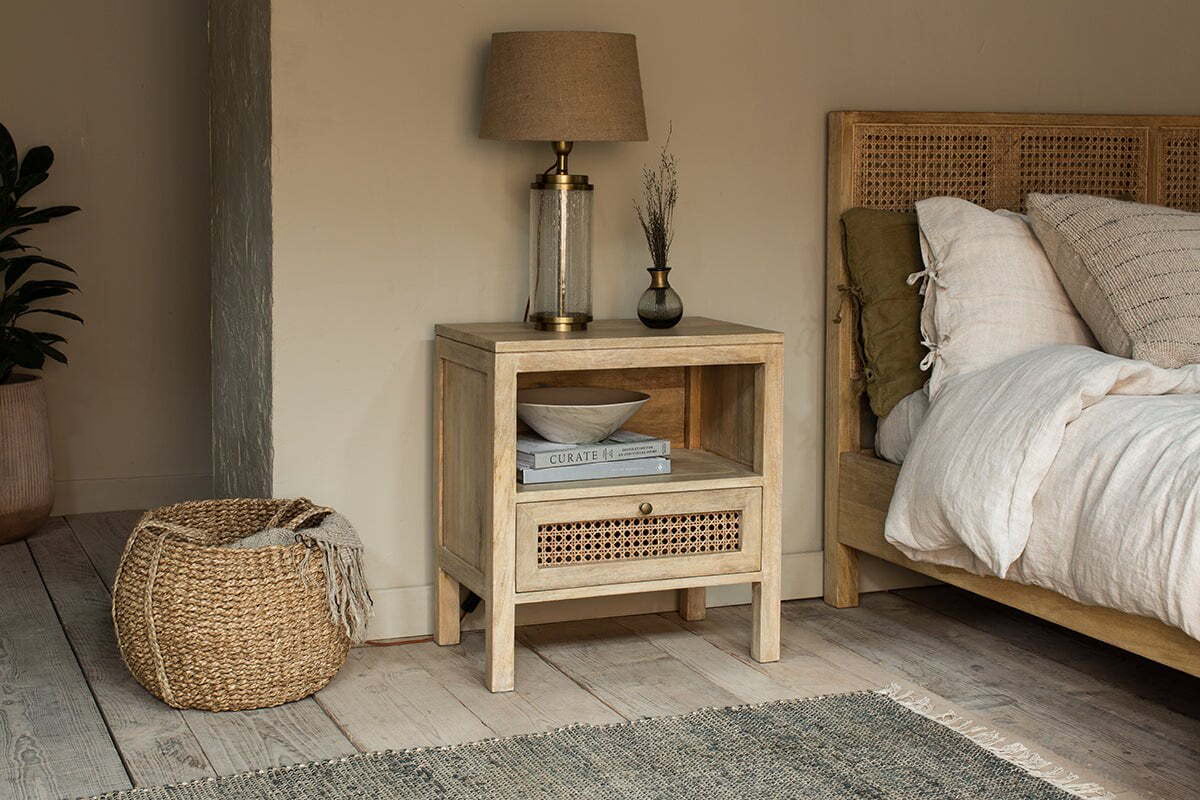
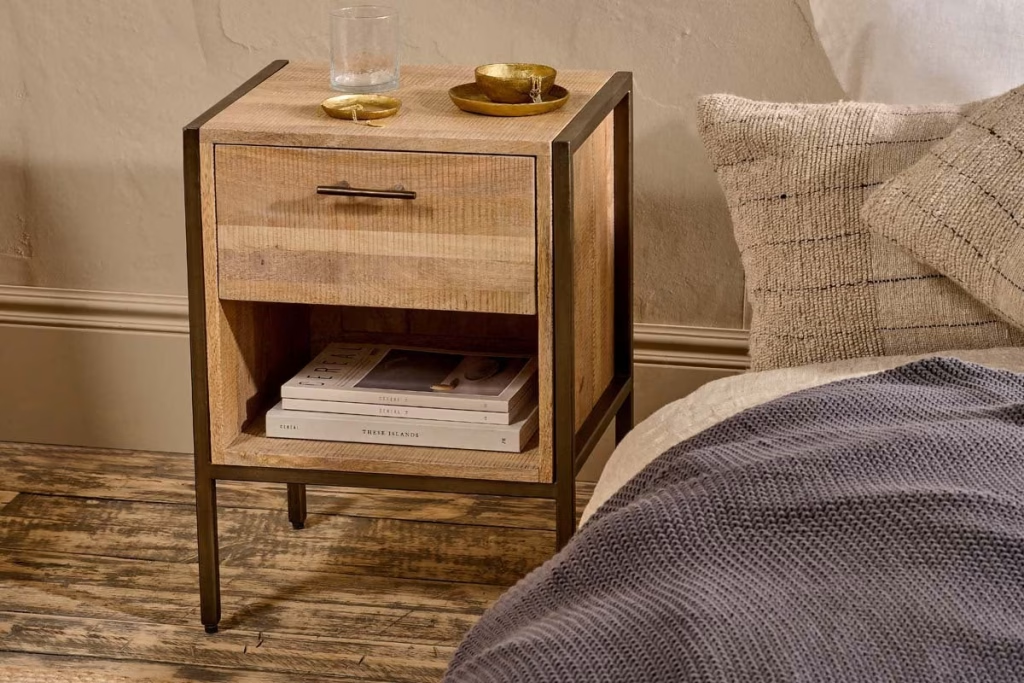
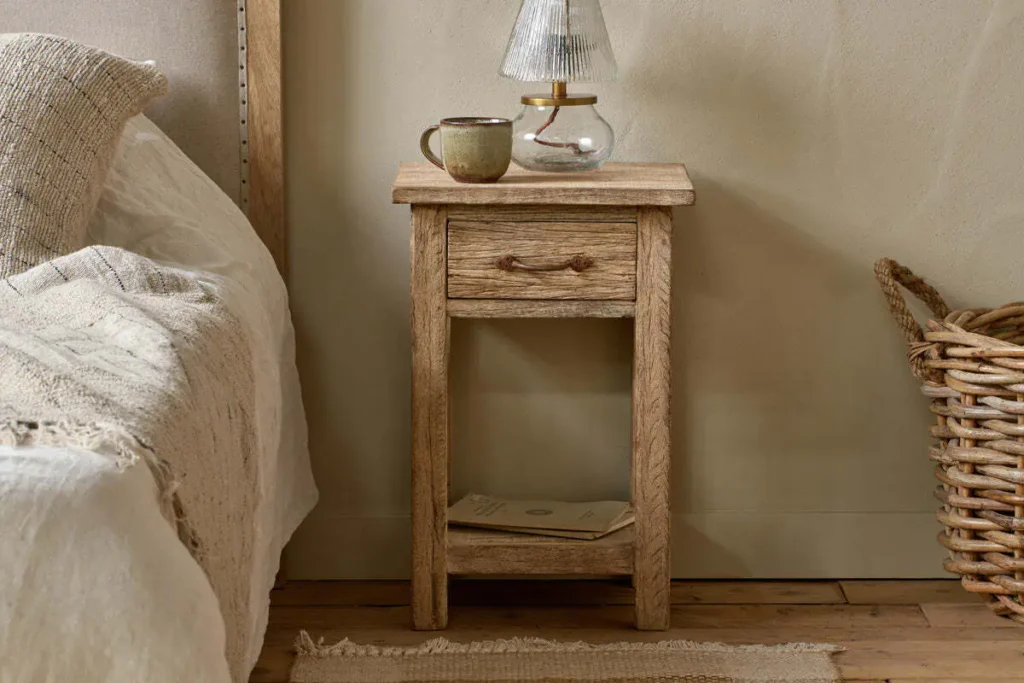
Mango wood shows up again here for the same reasons it works so well for a bed frame: it’s a genuine by-product of the mango fruit industry, naturally dense, and durable. Look out for Nkuku’s Kanz Mango Wood Bedside Table or the Dasai Mango Wood Bedside Table.
Reclaimed Wood
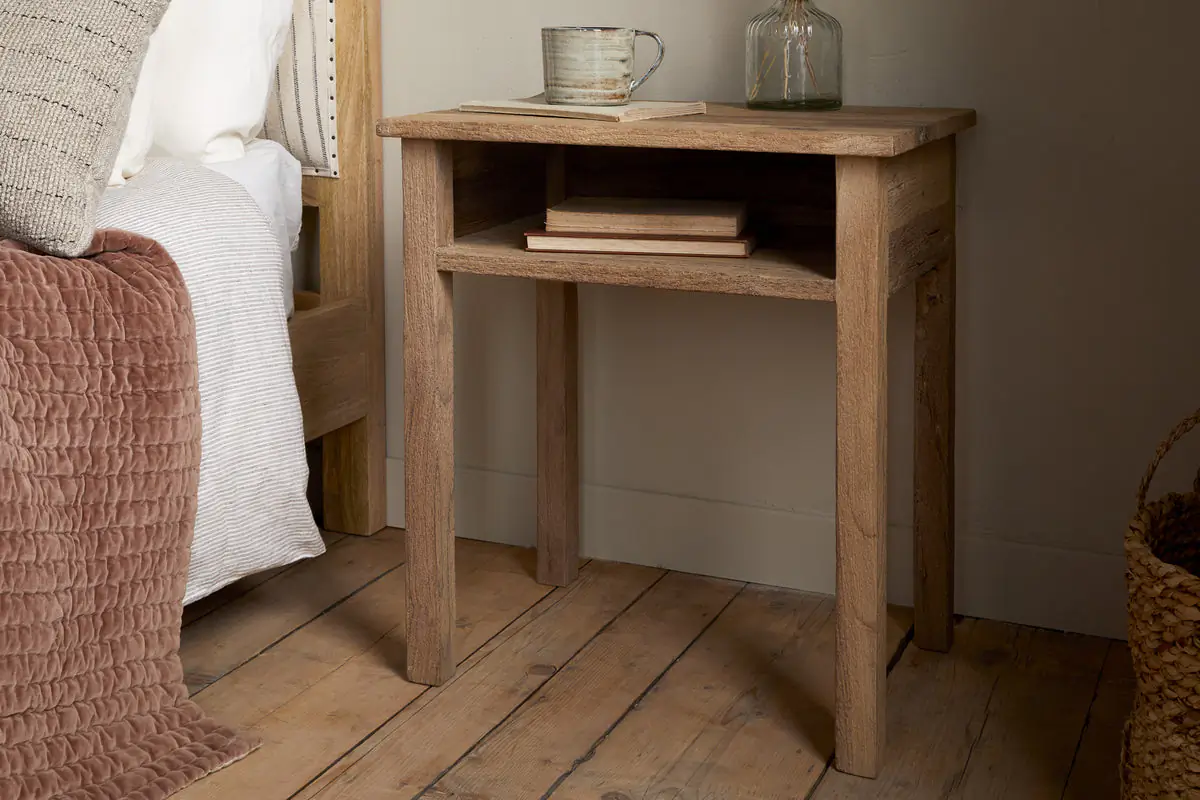
Reclaimed timber avoids new deforestation entirely and tends to come with genuine character and colour variation a new piece simply can’t replicate. Nkuku’s Iya Reclaimed Wood Bedside Table and Ibo Reclaimed Wood Bedside Table are both made from reclaimed wood so save new timber being used, contributing to a more sustainable bedroom.
Acacia and Other Solid Hardwoods
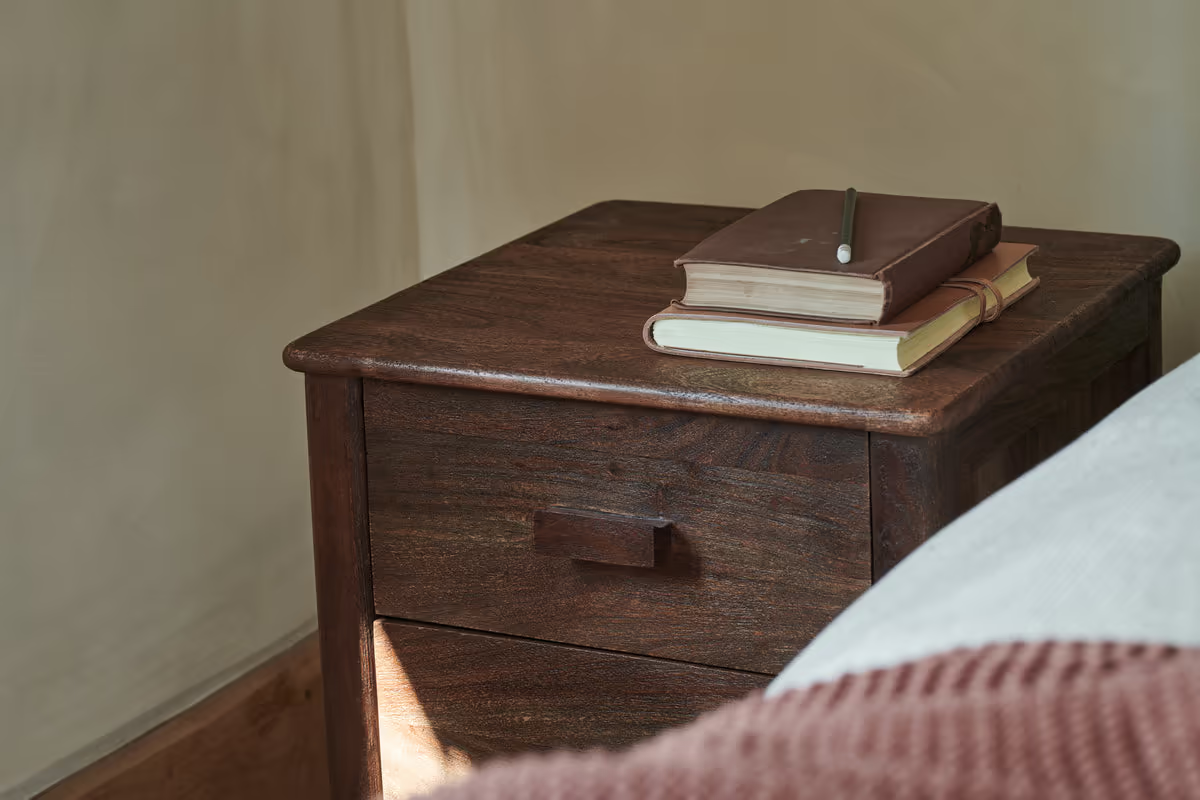
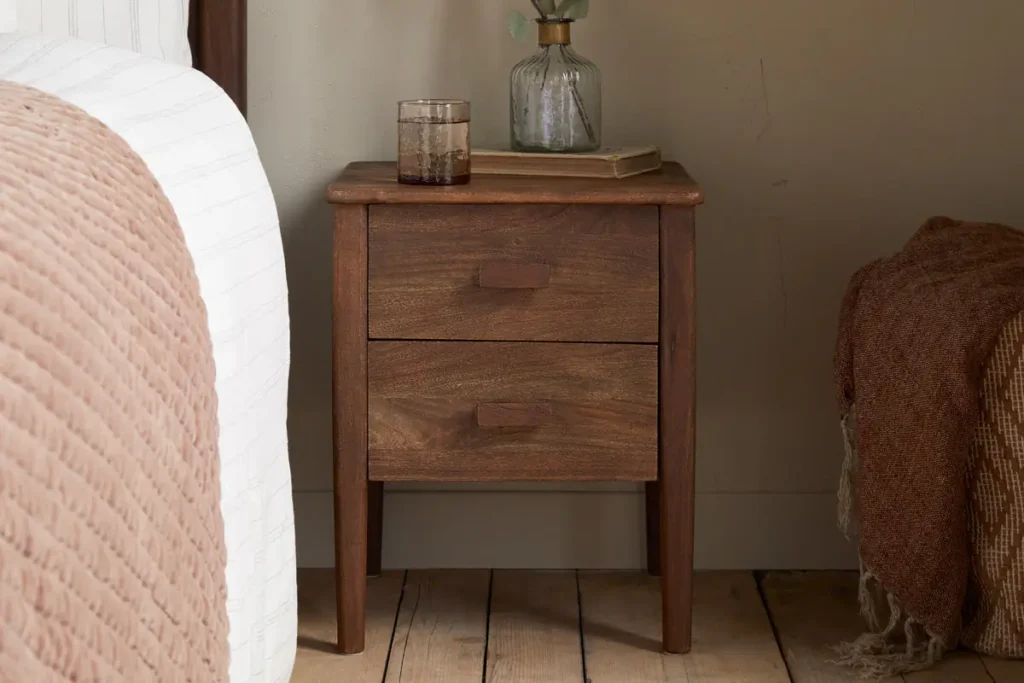
As mentioned above, beyond mango wood, acacia is another dense, durable hardwood worth knowing, and like mango wood, it’s a good choice. Nkuku’s Anbu Acacia Bedside Table in a washed walnut finish is a good example and pairs perfectly with the bedframe.
Sustainable Bedding and Bed Linen
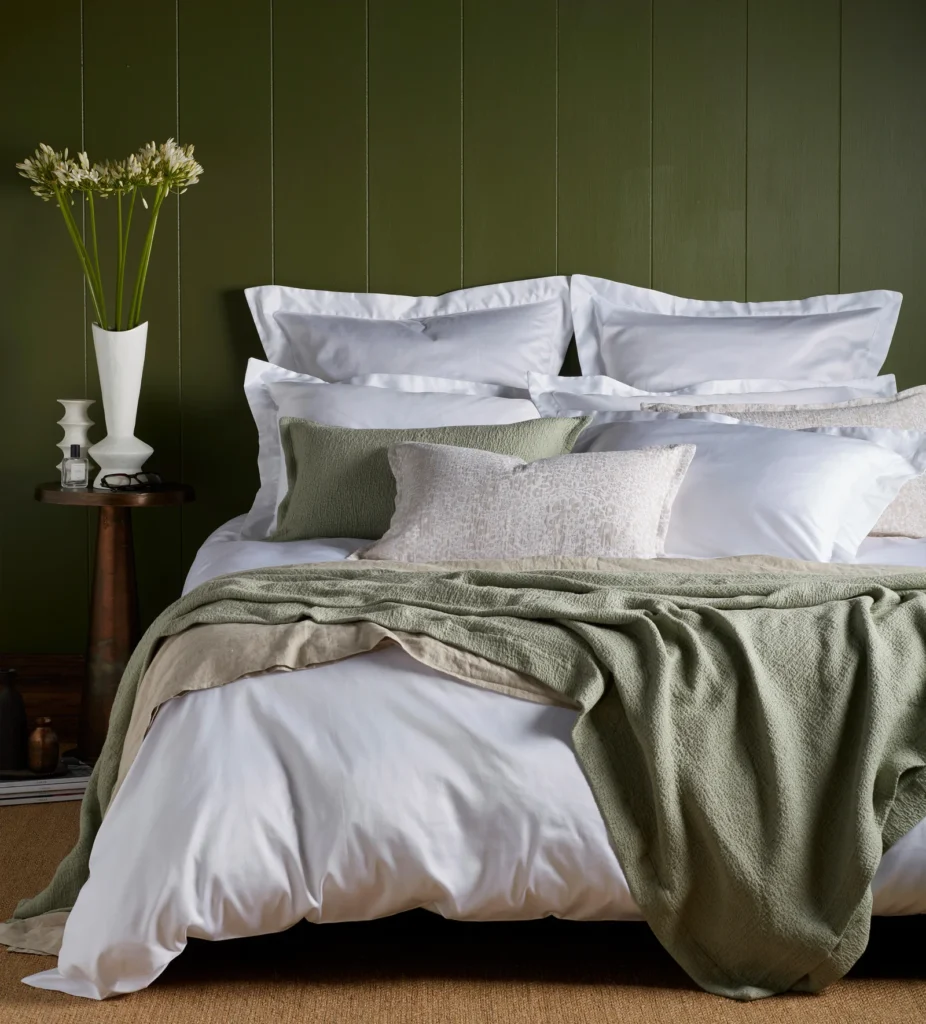
This is the area with the most day to day contact, since it’s what you actually sleep in and under. Two certifications are worth knowing. GOTS covers organic fibre content plus environmental and social criteria through the whole supply chain. OEKO-TEX Standard 100 tests the finished textile for harmful substances rather than certifying it organic. We cover both, along with FSC, B Corp, and Cradle to Cradle, in our sustainability claims guide.
Conventional cotton is natural, but usually water and pesticide intensive unless grown organically, so “cotton” alone doesn’t tell you much. Look for organic cotton backed by GOTS certification instead.
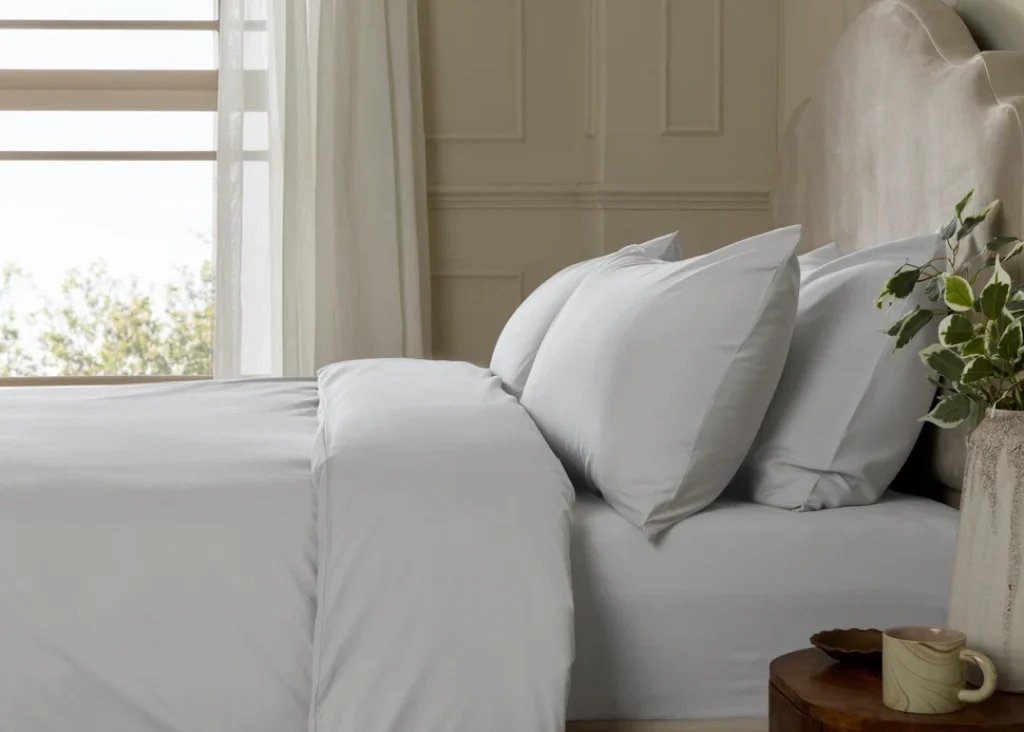
Simba Sleep offers a range of OEKO-TEX Standard 100 certified bedding, including duvet covers and bedding sets in cotton percale, so the finished fabric has been independently tested so it doesn’t have any harmful substances.
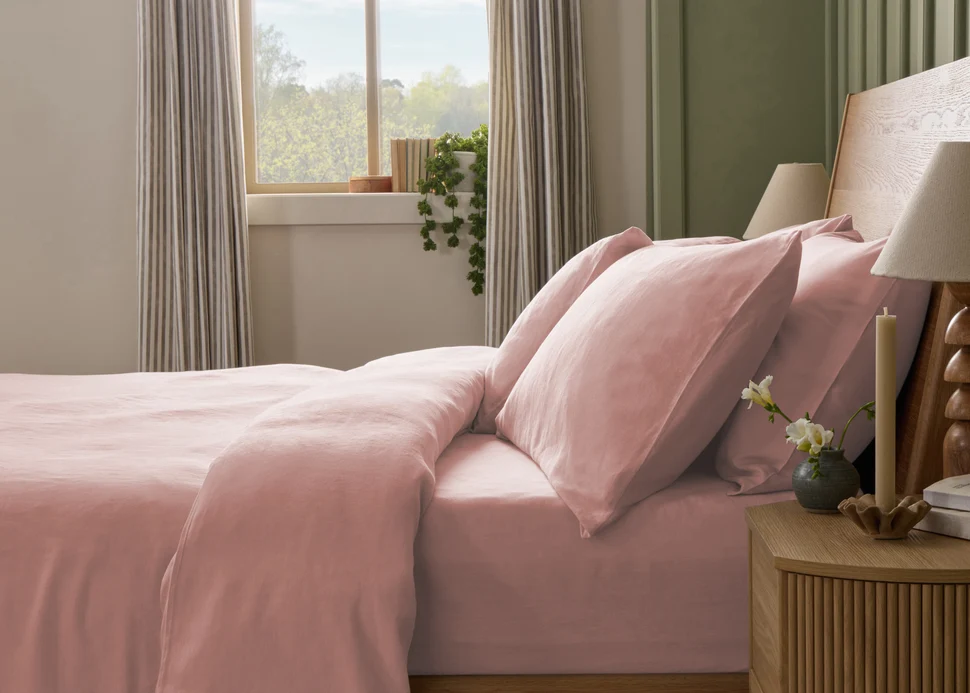
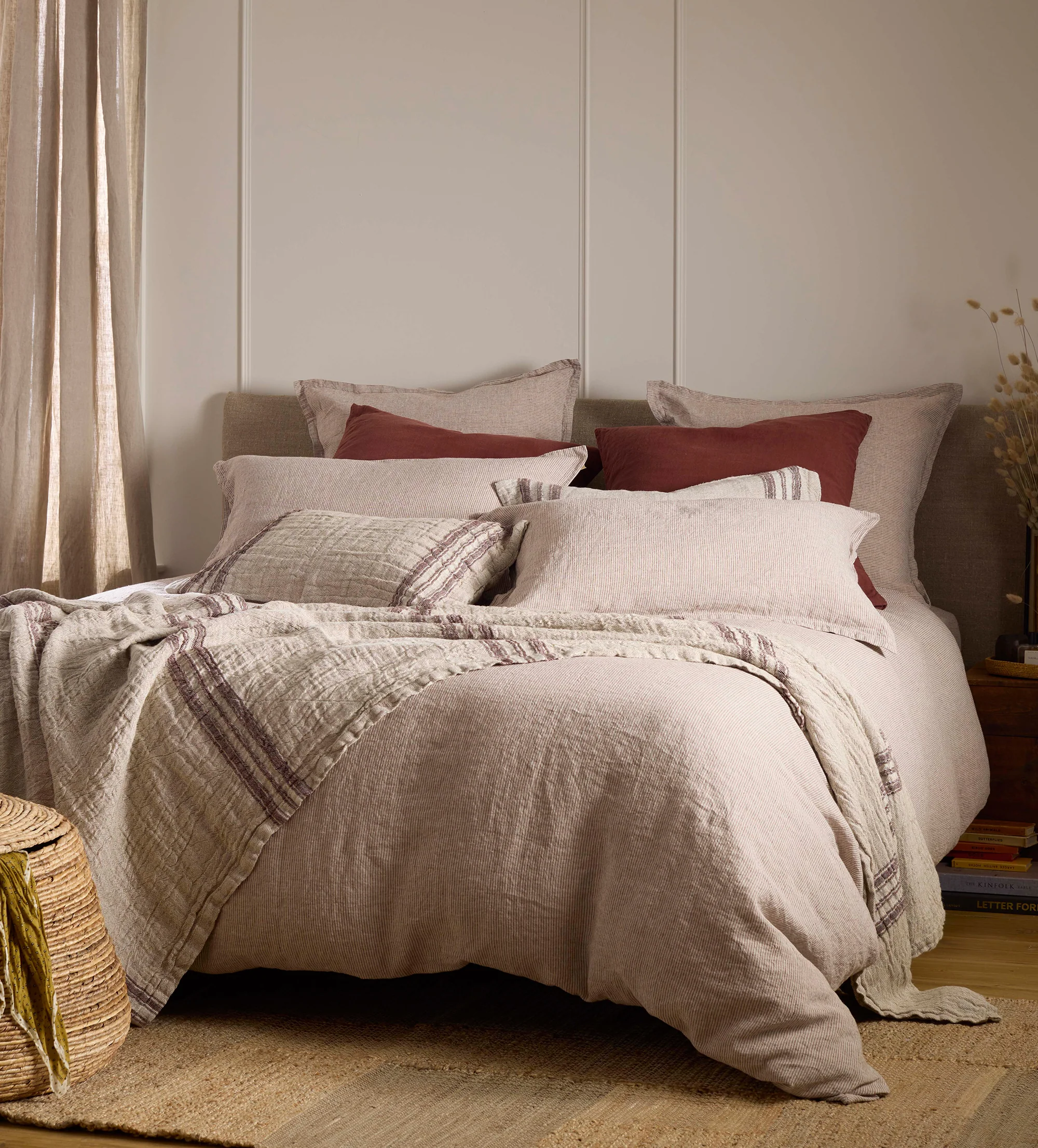
Secret Linen Store is also another lovely place to start: B Corp certified, with a wide range covering throws and blankets, cushion covers, and bed linen. Secret Linen Store’s linen is OEKO-TEX certified, so the finished fabric’s been tested safe from harmful substances, and they also stock a GOTS certified organic cotton range if you want to go fully organic. A full review of the brand is coming soon.
Eco-Friendly Mattresses
A mattress doesn’t get talked about in quite the same way as a bed frame, but it’s arguably the piece with the most direct, sustained contact with you, night after night, for years. What makes a mattress eco-friendly comes down to a few of the same things covered elsewhere in this guide: natural materials like wool, organic cotton and natural latex in place of synthetic foams, genuine third party certification rather than a green-sounding name, and what happens to it once you’re done with it. That last point matters more than people realise. According to the National Bed Federation, the latest research found that 56% of mattresses were sent for recycling in 2023 – more than double the estimated 25% figure in 2021, which shows good progress in mattresses being diverted from landfill.
If a mattress does use foam, CertiPUR is worth looking out for. It doesn’t mean the foam is organic or natural, but it does mean it’s been independently tested for things like heavy metals, ozone depleting substances, banned phthalates and high VOC emissions, (an important product level claim rather than just a marketing term). Wool is also worth knowing about for a different reason: it’s naturally flame resistant, which can reduce or remove the need for the chemical flame retardants used in a lot of conventional mattresses.
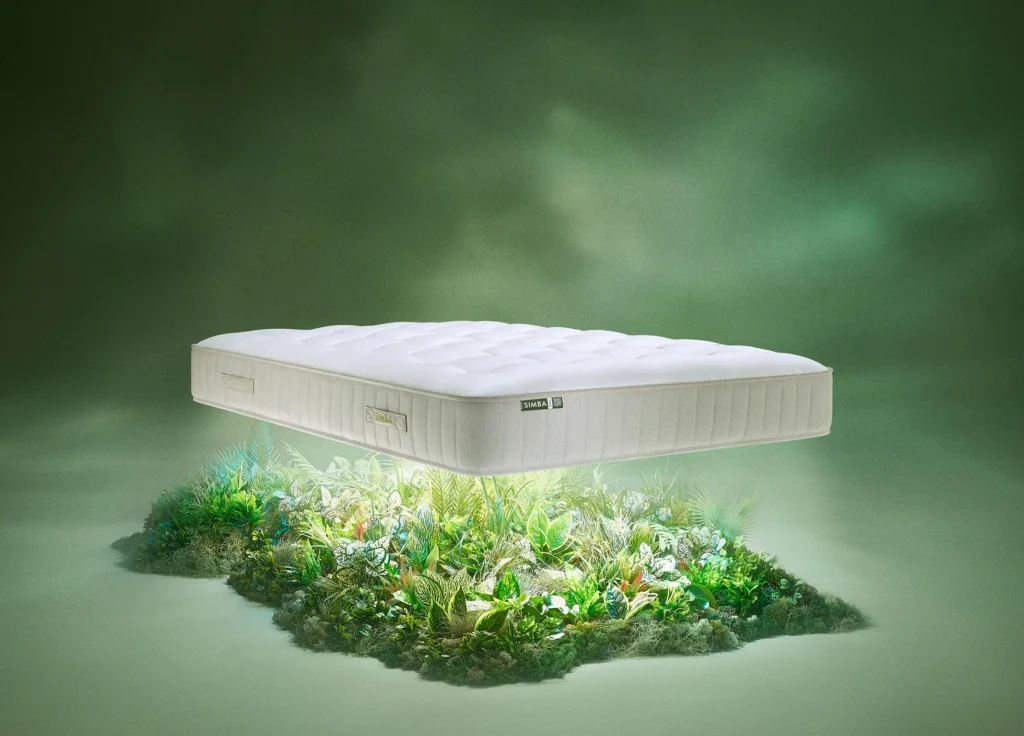
Simba’s Natural Hybrid range, which includes the Source, Escape and Apex mattresses, is built around British and Hampshire wool comfort layers with a natural viscose cover, plus a comfort layer of Aerocoil microsprings (which work so your partner movement won’t wake you). So what is a Hybrid mattress, you ask? Well, a Hybrid mattress is the best of both worlds and combines a spring layer for support, and also a cushioned layer for comfort (usually foam). The Natural Hybrid mattresses feature these unique springs with natural materials (wool) that provides the cushioning, instead of foam. They’re designed with the tailored support of springs combined with the superb comfort and breathability of cashgora wool, Hampshire wool and silk.
Simba also use CertiPUR foam in their regular range of mattresses, are a certified B Corporation, and run a refurbished range and a mattress recycling service for when yours eventually reaches the end of its life. I shall be releasing a Simba mattress review soon so keep an eye out for that!
28cm depth and 8 layers, Medium firm
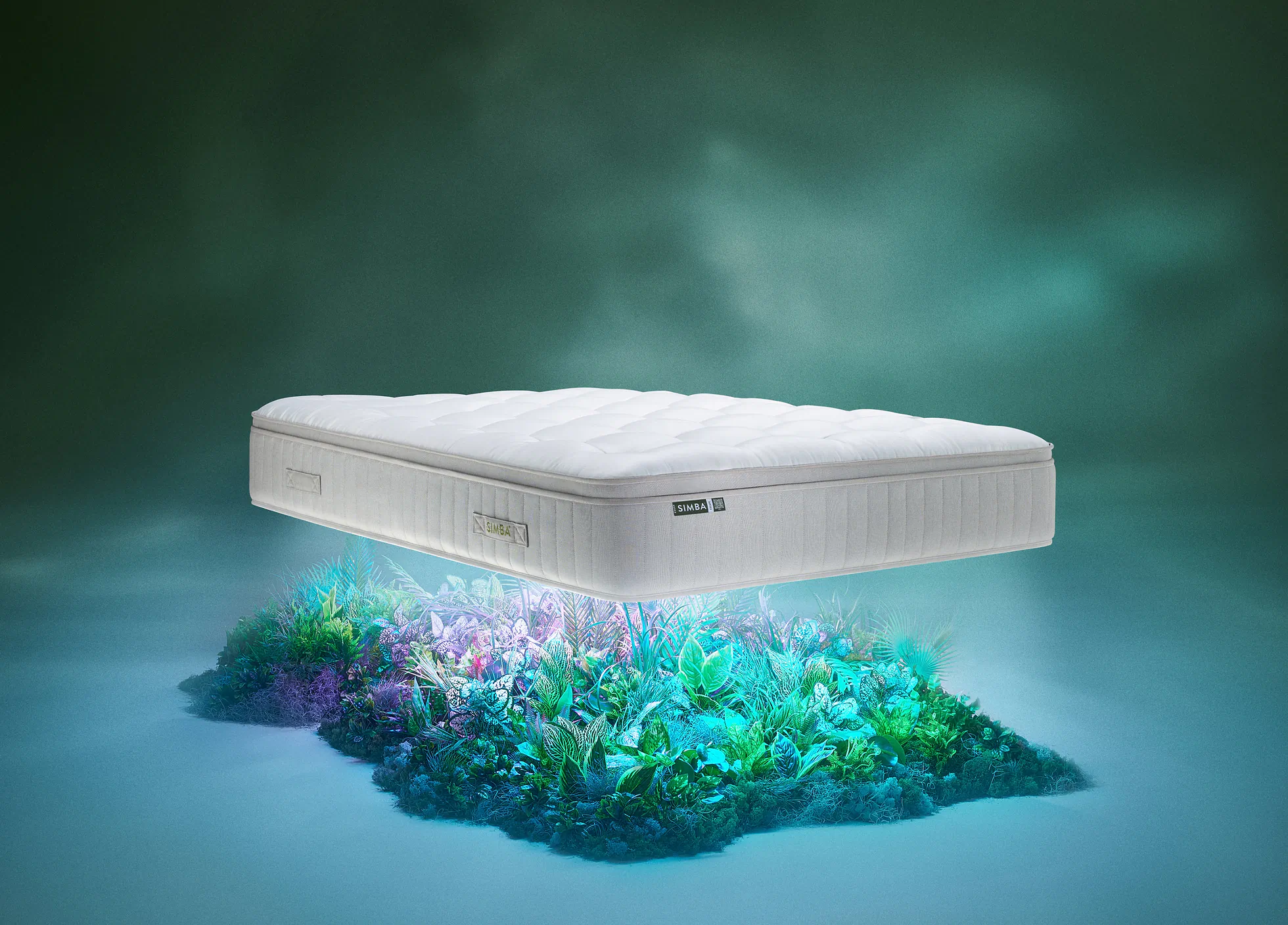
30cm depth and 10 layers, Medium firm/Plush
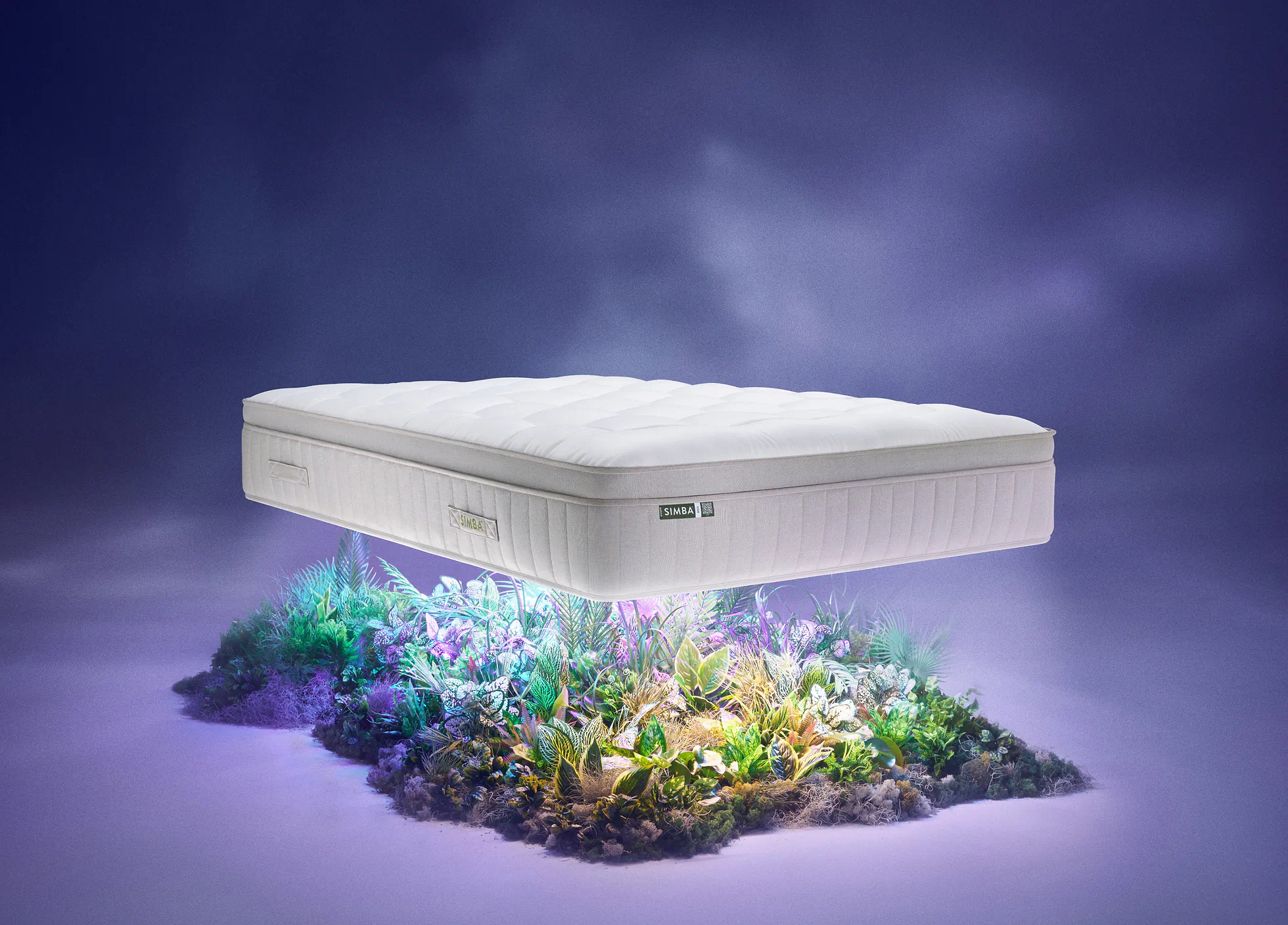
32cm depth and 12 layers, Plush
Use What You Already Have First
The single most sustainable thing you can do in any room is keep using what’s already in it for as long as it works. Manufacturing a new piece, however responsibly it’s made, still has a footprint, and a mattress, rug or decor that’s still doing its job doesn’t need replacing just because a more sustainable version exists.
When something does wear out, or you’re buying for the first time, that’s the moment to reach for the better material: a natural fibre rug (jute, wool, or cotton) over a synthetic one, a rattan or wicker basket over plastic, a linen or organic cotton throw or cushion cover over a synthetic blend.
My Verdict: Creating Your Own Sustainable Bedroom
If you’re only doing one thing this month and your budget is low, I’d suggest starting with your bedding. It’s the lowest cost item and it’s the thing in closest contact with you every night. From there, work outward: bedside tables next, since they’re a smaller investment than a bed frame, and the bed frame and mattress itself when you’re ready for a bigger piece when they need replacing. If you already have items that are fine and can be repaired or restyled, that’s good to think about first. When you do decide to purchase something new, investing in a good quality piece that will last you for years is always the better option over a cheap purchase that will only last you for a few and will need to be replaced. Think quality over quantity.
As with anything on this site, there’s no single “correct” version of a sustainable bedroom, that is completely personal to you. A frame made from reclaimed wood, a set of GOTS certified organic bedding, and a well made piece that’s simply built to last twenty years are all genuinely sustainable choices, just for different reasons. The aim of this guide isn’t to give you a checklist to complete perfectly. It’s to help you make choices that reflect what actually matters to you.
Browse our edit of sustainable bedroom furniture or read more in our guide to understanding sustainability claims.
References
- UKHSA, IAQ Guidelines for Selected Volatile Organic Compounds (VOCs) in the Home. researchportal.ukhsa.gov.uk
- DEFRA, Indoor Air Quality Report. uk-air.defra.gov.uk
- World Steel Association, Circular Economy. worldsteel.org
- WWF, Sustainable Rattan: Facts and Information. origin-mekong.wwf-sites.org
- WWF, Sustainable Rattan Use. https://wwf.panda.org/es/?199308/WWF-Showcases-Sustainable-Rattan-Use-Amid-Design-Revival
- Recycling International, Are MDF Boards Recyclable? recyclinginternational.com
- FSC UK, What Is FSC? uk.fsc.org
- Global Standard, The GOTS Standard. global-standard.org
- OEKO-TEX, Standard 100. oeko-tex.com
- B Lab, Secret Linen Store B Corp Profile. bcorporation.net
- CertiPUR, About CertiPUR. https://europur.org/certipur/
- National Bed Federation. Fifth Mattress End of Life Report. https://www.bedfed.org.uk/nbf-publishes-fifth-mattress-end-of-life-report-real-recycling-rates-more-than-double-but-challenges-remain/
- Toxic-Free Future, Wool, Cotton, and Latex: Toxic-Free Mattress Options. toxicfreefuture.org