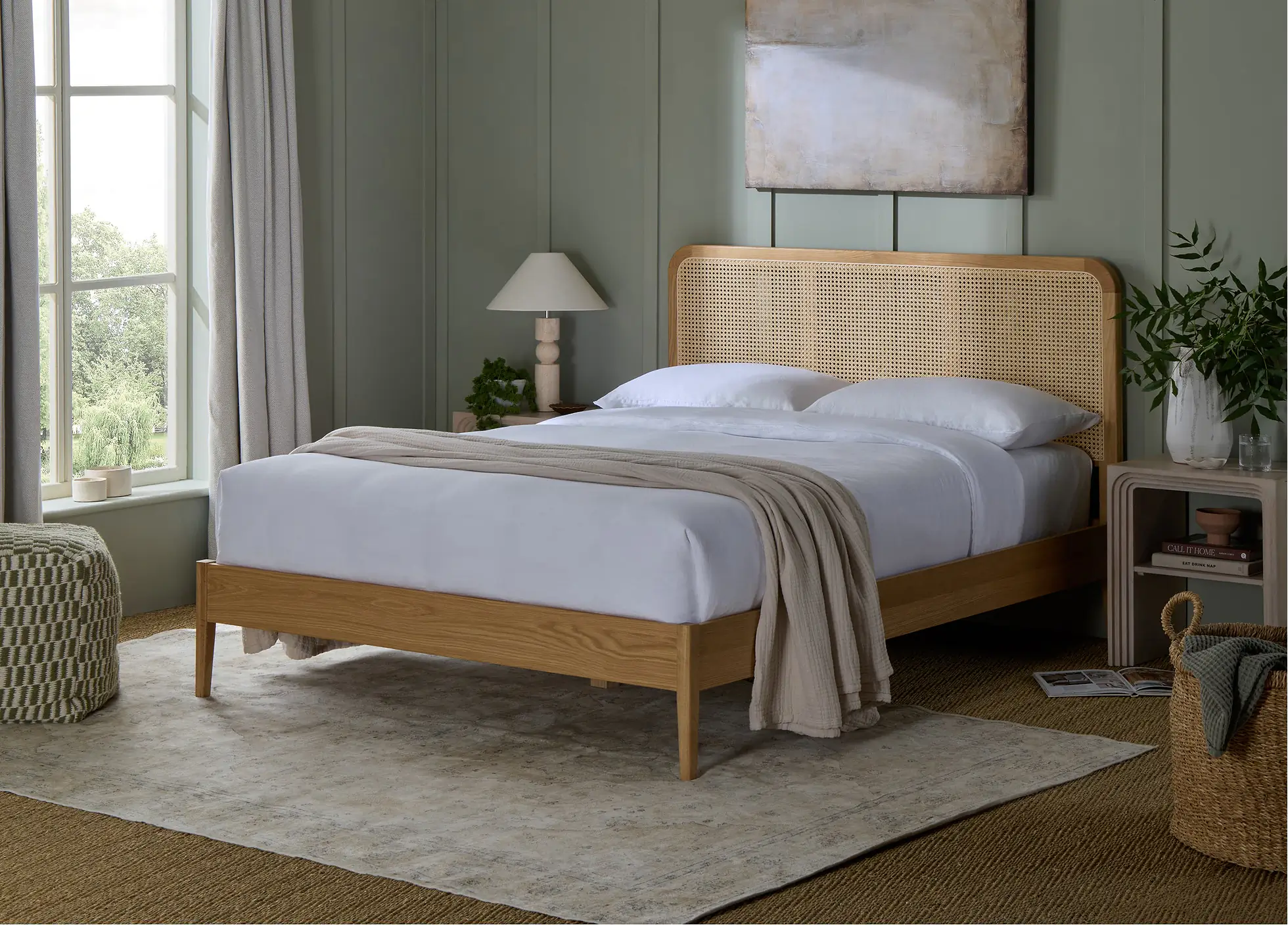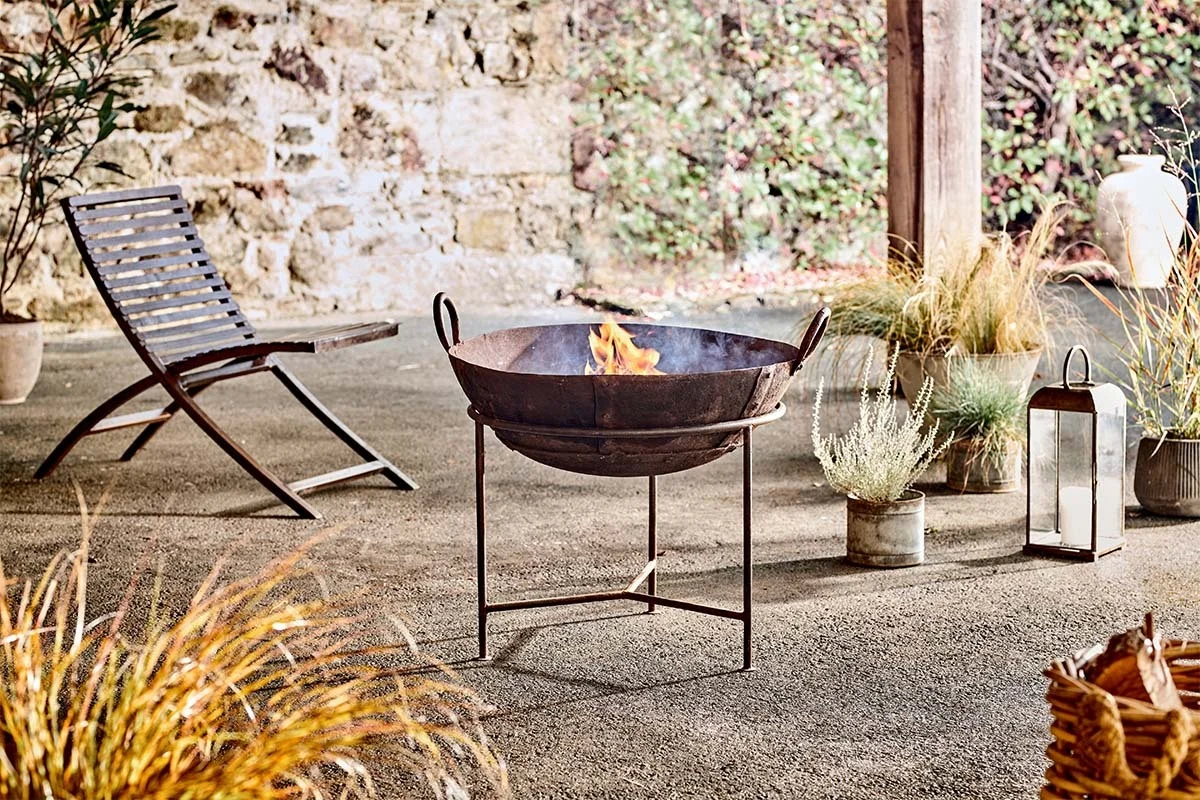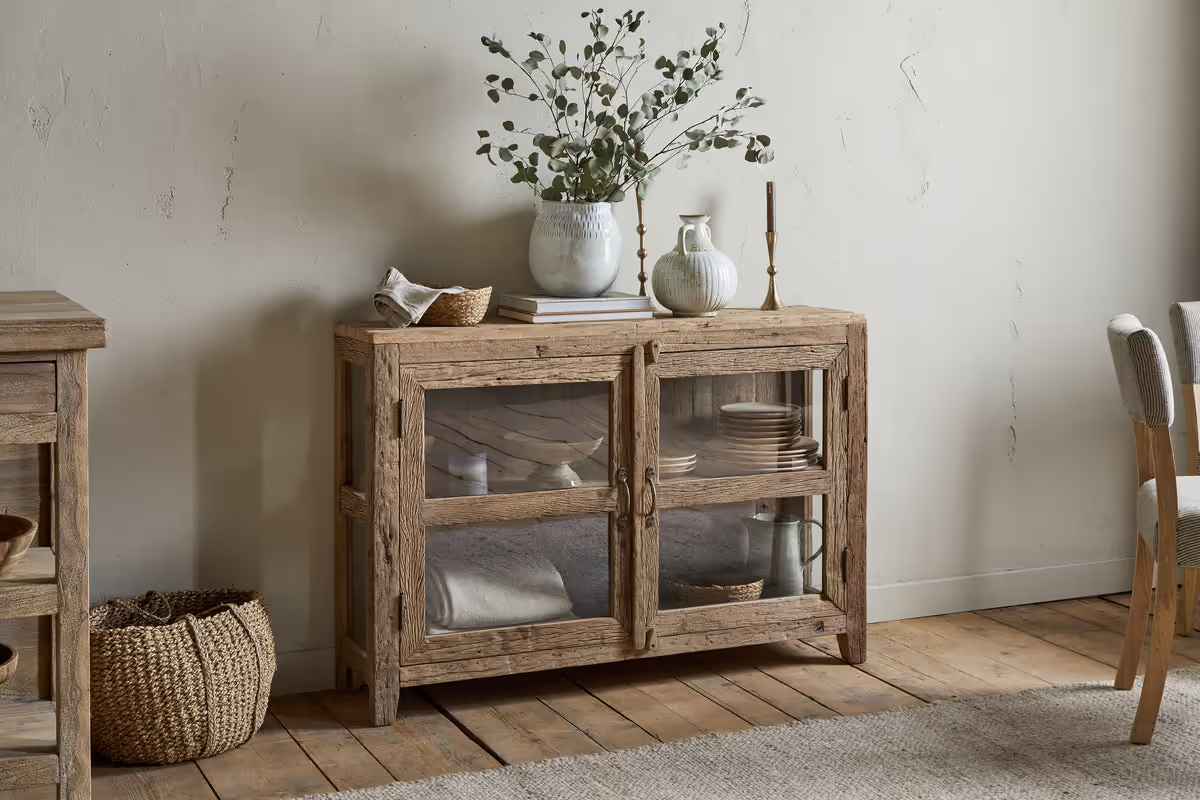
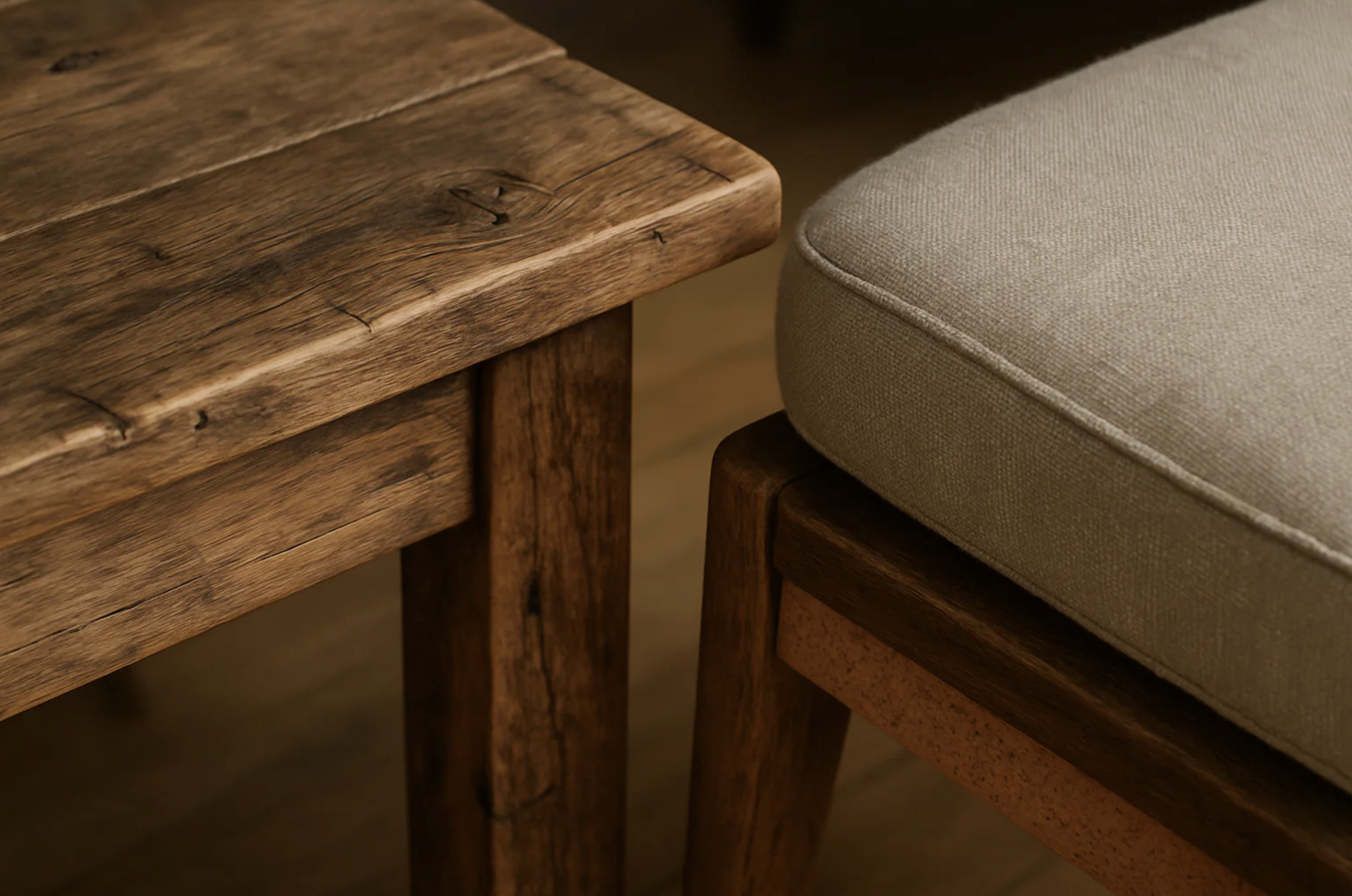

If you have ever searched “where to buy eco-friendly furniture UK,” you might have felt a twinge of frustration. Results are often scattered; they are frequently filled with generic listings or imported items claiming to be “sustainable.” However, there is good news. The UK’s sustainable furniture scene is growing rapidly. It is full of artisans, local brands, and innovative designs that are good for your home, your conscience, and the planet.
From reclaimed wood dining tables that tell a story to organic cotton sofas and hand-woven storage baskets made by local craftsmen, eco-friendly furniture is no longer just a niche. It is a lifestyle statement.
Why Eco-Friendly Furniture Is Flourishing in the UK
Sustainability is not just a trend; it is becoming a core part of how people live. Recent research shows that nearly 69% of UK shoppers say sustainability influences their purchasing decisions; in fact, over 78% of consumers are now highly aware of their environmental impact when they shop for the home.
Post-pandemic, the “nesting” trend has evolved. People are not just designing homes; they are curating value-driven spaces that reflect their ethics. Shoppers are asking questions like: Who made my furniture? What materials were used? How far did it travel to get here? These questions go beyond aesthetics. They focus on craftsmanship, transparency, and longevity. These values are at the heart of conscious interiors.
What Truly Makes Furniture Sustainable
Sustainability in furniture is about the entire lifecycle of a product, from sourcing to disposal. Here is what to look for in detail:
1. Responsibly Sourced or Reclaimed Materials
- Certified Wood: FSC and PEFC certifications ensure that wood comes from responsibly managed forests. In the UK, 79% of consumers now recognise the FSC logo as a mark of trust and environmental responsibility.
- Bamboo: This material grows quickly and sustainably. Bamboo reaches maturity in just 3 to 5 years, which is incredibly fast compared to the decades required for traditional hardwoods.
- Reclaimed materials: Old timber, pallets, or vintage pieces can be repurposed to create high-quality items while reducing waste.
2. Built to Last
Craftsmanship matters. Handmade or small-batch furniture often lasts decades compared to mass-produced items. Classic designs age gracefully; this reduces the need for constant replacements and prevents “fast furniture” from piling up in landfills. Over 22 million pieces of furniture are discarded in the UK every year.
3. Locally Produced
Supporting UK artisans reduces transportation emissions and helps sustain small businesses. In 2022, the UK furniture manufacturing industry emitted approximately 576,000 tonnes of CO2, highlighting the importance of choosing local, low-carbon makers.
4. Minimal Environmental Impact
Avoid furniture treated with harmful chemicals. Low-VOC (Volatile Organic Compound) finishes are essential for maintaining indoor air quality and avoiding “sick building syndrome.”
Where to Buy Eco-Friendly Furniture in the UK
The UK is home to a vibrant community of sustainable brands and independent makers. At Earthly Treasures, we are curating a platform that brings together:
- Handcrafted UK furniture made from natural, local materials.
- Brands committed to ethical production and transparency.
- Timeless designs proving that eco-friendly does not mean boring.
Our launch is just around the corner. Early subscribers will get exclusive access to UK makers who prioritise people, planet, and design over mass production.
How to Choose the Right Sustainable Furniture
Shopping consciously does not have to be complicated. Here is a practical guide to making informed choices:
- Research Materials: FSC, PEFC, and organic certifications are your first indicators.
- Understand Production: Smaller batches often mean higher quality and less waste.
- Assess Durability: Solid wood frames and reinforced joints indicate longevity.
- Evaluate Transparency: Ethical brands are proud to share their processes.
- Consider the Lifecycle: Can the piece be repaired or reupholstered?
References
BearingPoint: Sustainable Retail Barometer 2025 UK Edition — Data on UK consumer purchasing behavior.
FSC UK: FSC Forest Management and the Furniture Industry — Wood sourcing certifications and trust statistics.
Institution of Civil Engineers (ICE): Building with Bamboo Guide — Growth rates and sustainability of bamboo.
HIPPO Waste: Furniture Waste Statistics for the UK — Annual data on discarded furniture and landfill impact.
re-pod: Carbon Calculations in the UK Furniture Industry — Sector-wide CO2 emission analysis.