
This post contains affiliate links. If you make a purchase through these links, I may earn a small commission at no extra cost to you. I only recommend products that align with the Earthly Treasures mission for a more sustainable home. The commission from your purchases help to keep our website going so we can keep providing you with great content.
There is a specific, golden moment in early May when the air finally loses its bite and the sun lingers just long enough to turn the garden into a true extension of the home. I remember the first evening last year when I finally traded the sofa for my garden bench; the transition from those winter months felt like taking a breath of fresh air – literally! Whether you’re sipping a quiet morning coffee or hosting a cheery dinner under the stars, your outdoor space should be a sanctuary.
The best part? You don’t need a landscape architect or a huge budget to create a high-end look. By embracing “Slow Decor”—focusing on artisanal quality and planet-friendly swaps—you can create a garden that is as kind to the Earth as it is beautiful to look at. A space not only aesthetically pleasing, but functional too, that will host all your summer memories.
Add Texture with Woven Accessories and Natural Fibers
One of the easiest ways to make your garden feel more “put together” is by layering different textures. Natural materials like seagrass and jute bring warmth to stone patios or wooden decking. This approach aligns with the principles of “Biophilic Design.” This design philosophy focuses on our innate need to connect with nature to reduce stress and improve mental clarity.
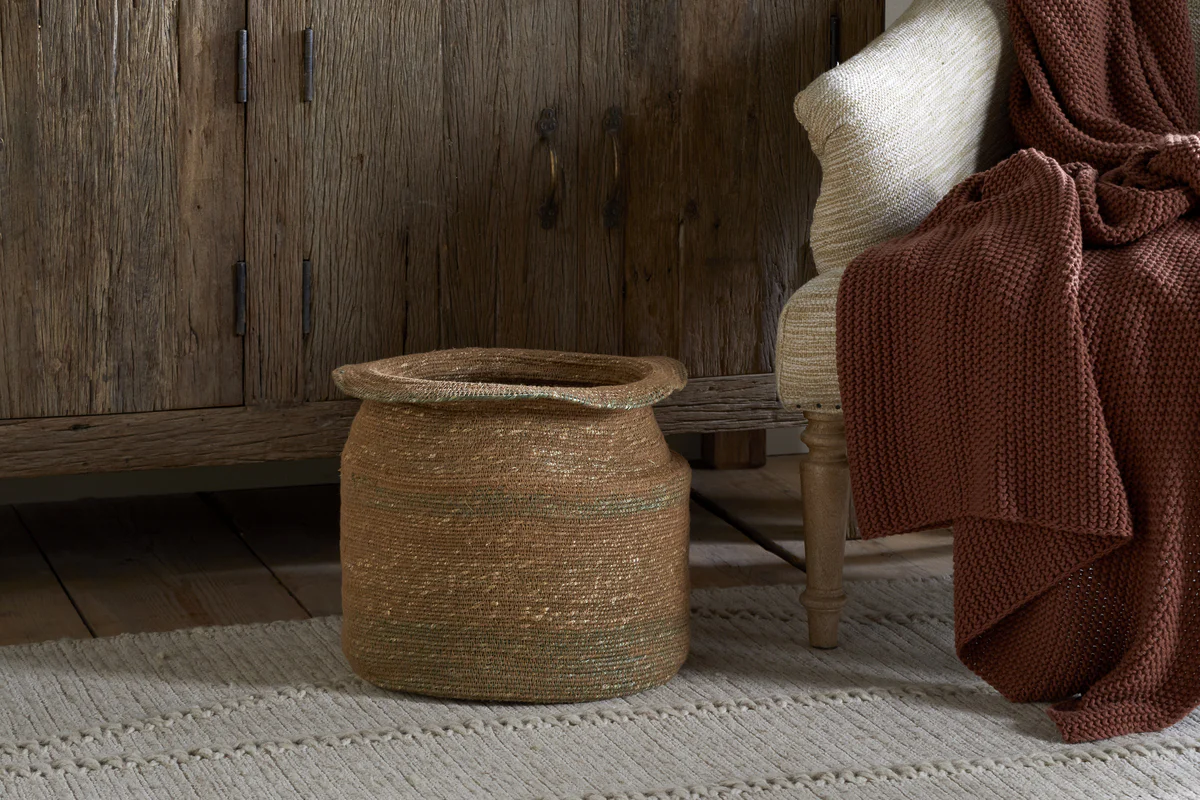
Baskets
The Rana Tall Basket works as a textured cover for basic plastic pots. It is also perfect for storing outdoor cushions or blankets when the weather turns. By layering these woven elements against harder surfaces like brick or stone, you create a space that feels soft and inviting. I like to keep a couple of blankets in mine so when the temperature drops at 9pm you don’t have to run inside.
Mastering the Look: Pots and Planters
The way you arrange your plants can be as important as the plants themselves. To create a professional styled look, try grouping your potted plants together. This will help the space look more put together instead of scattering them. Choosing a variety of pot sizes and materials allows you to lead the eye around the space and create a focal point.
When selecting your pots, consider a “tiered” approach. We recommend placing a tall, structural planter at the back, a mid-sized pot in the centre, and a smaller, wider bowl at the front. This adds depth to your patio; it transforms a simple collection of pots into a cohesive, display. Mixing materials can also add interest. You can pair smooth ceramics with rustic terracotta or weathered stone to create a look that feels evolved over time. Using pots and plants of different heights is a simple trick to make a small patio feel much more lush and abundant.
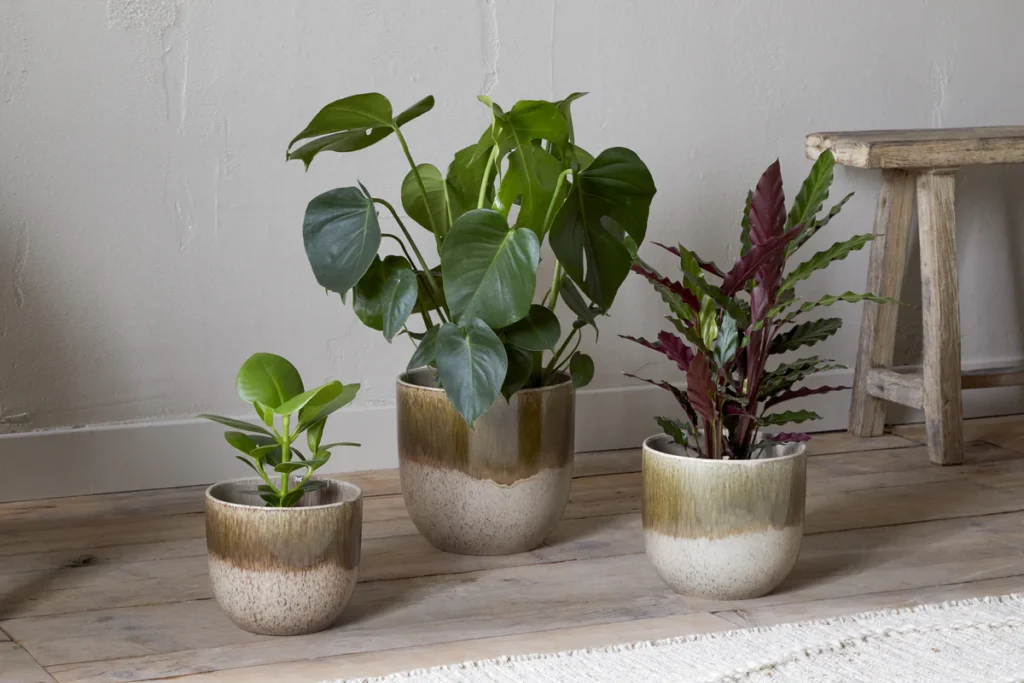
Pots and Planters
Nkuku Almeida Reactive Glaze Plant Pot in Olive and Natural shown here styled with Small, Medium and Large sizes for harmonious impact. To create depth, think in levels: Front: A wider, shorter bowl for cascading flowers. Back: A tall, structural planter (like a small olive tree). Middle: A mid-sized pot with leafy greens.
Set the Mood with Sustainable Lighting
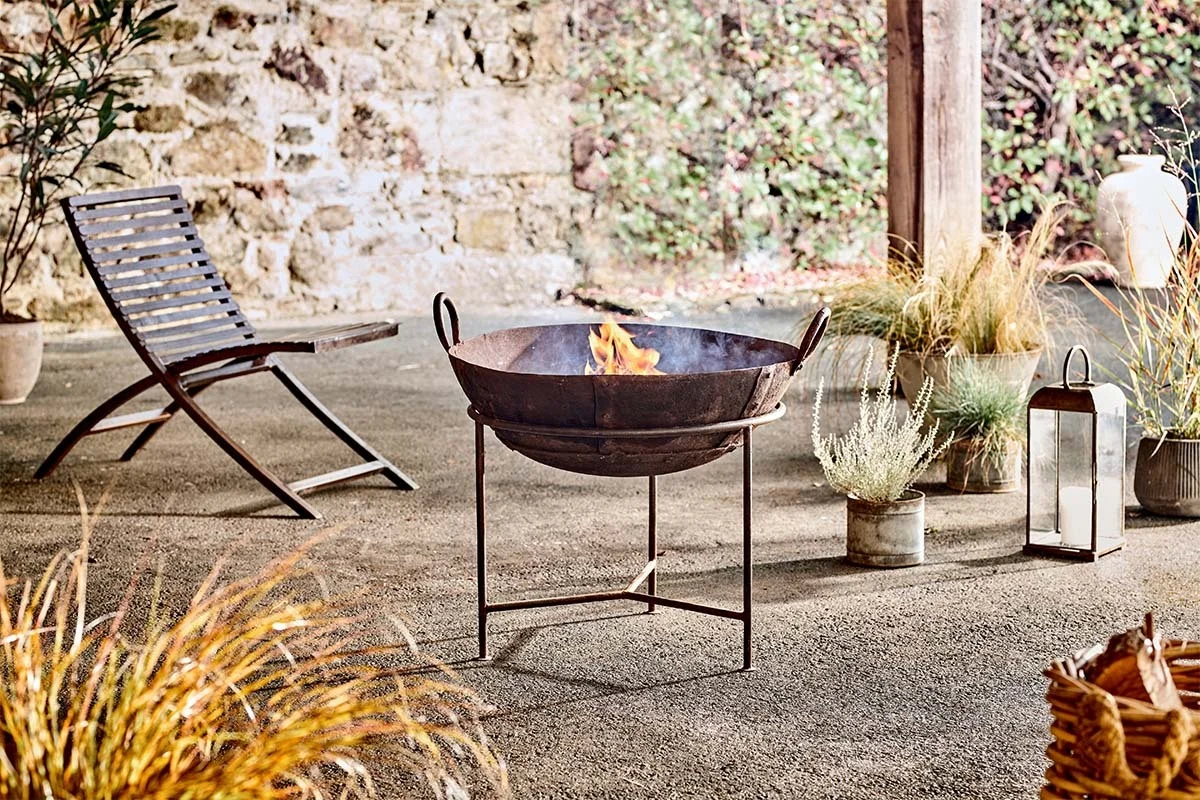
There is nothing quite like the warm flicker of candlelight on a summer night. However, it is a good idea to choose durable lighting or lanterns instead of disposable plastic string lights. The UK is seeing a significant shift toward “Slow Decor.” This movement prioritises quality and longevity over the “fast furniture” cycle that often leads to waste.
We love to add:
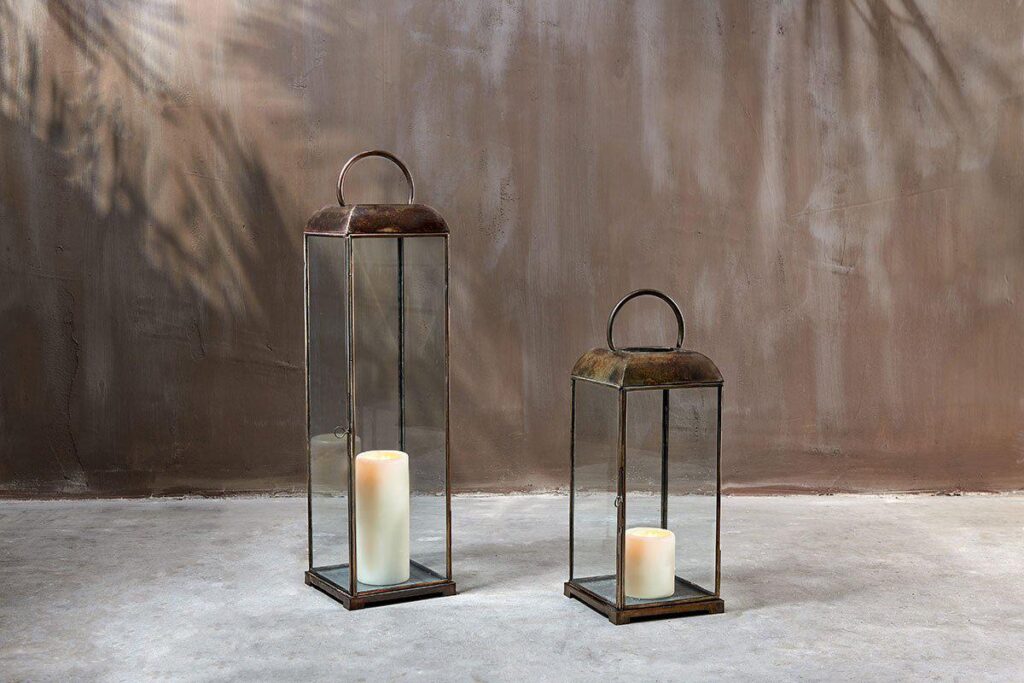
Lanterns
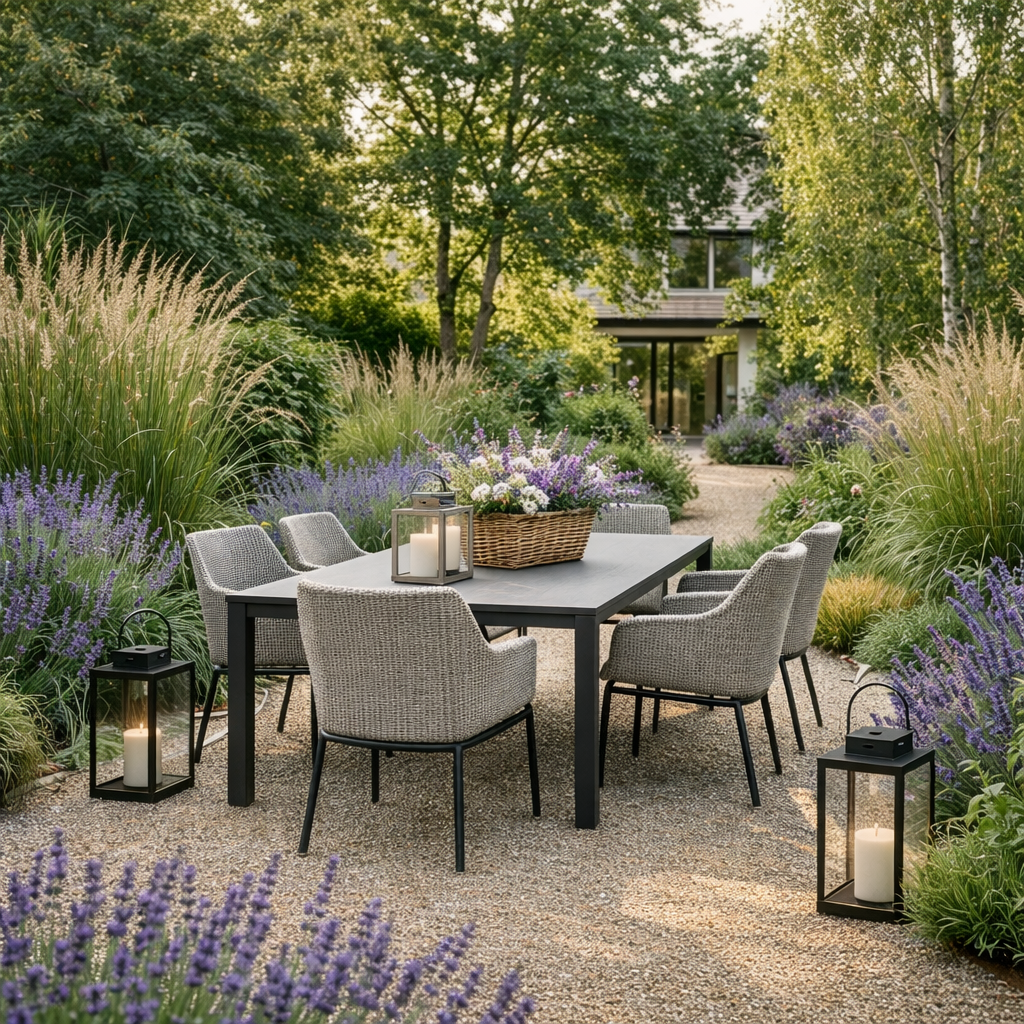
The Kaso Lantern made of durable brass creates a soft ambient lighting. From personal experience, if you want that ‘whimsical English Countryside’ look, the brass will age beautifully over time, creating a lovely green brown patina if left untreated. If you don’t like the patina affect then make sure to use Brasso and Permalac or beeswax to seal it.
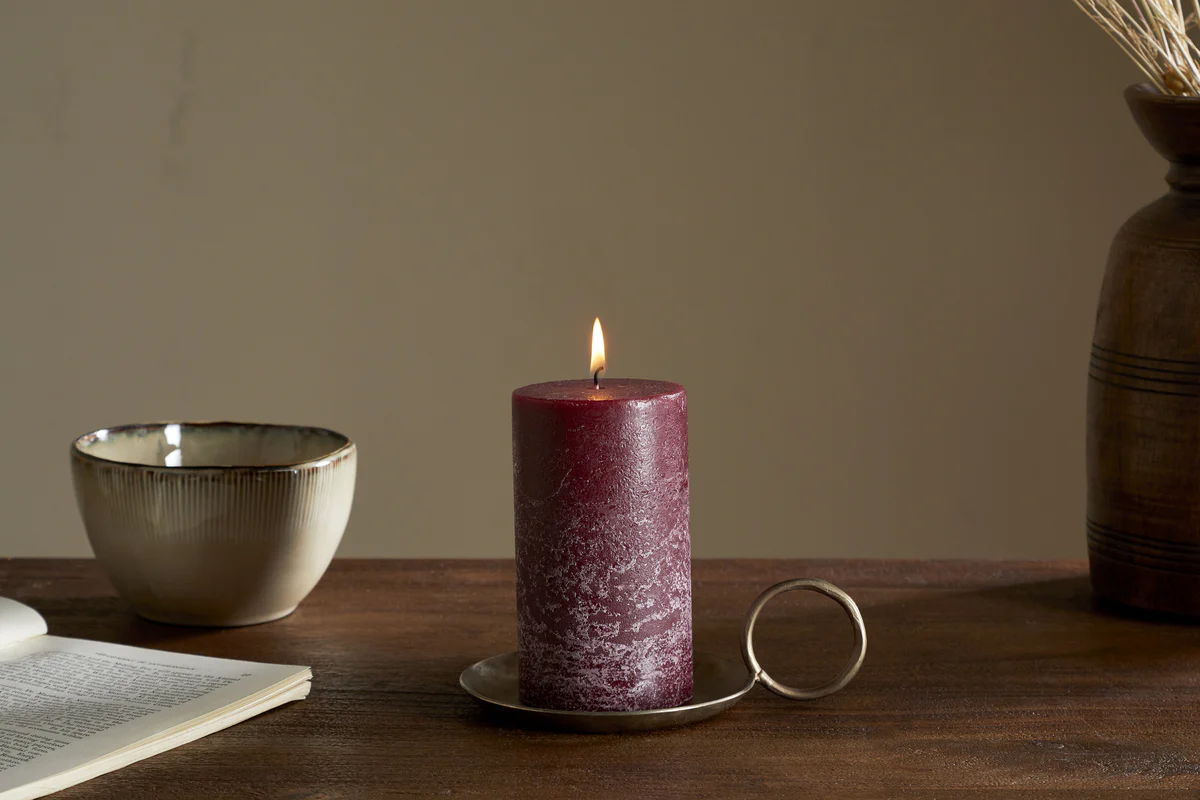
Soy and Beeswax Candles
These are much better for the environment than paraffin which is a petroleum by-product. They offer a cleaner burn; they also ensure you are not breathing in toxins while you relax.
Dining Al Fresco with a Conscience
Summer is often defined by long, lazy meals outside. Your outdoor table and BBQ set up deserve more than just paper plates, plastic cups and disposable napkins. The UK government has set targets to drastically reduce single-use plastics by 2026. Choosing durable, handcrafted tableware that will last you a lifetime is a simple and effective way to support this.
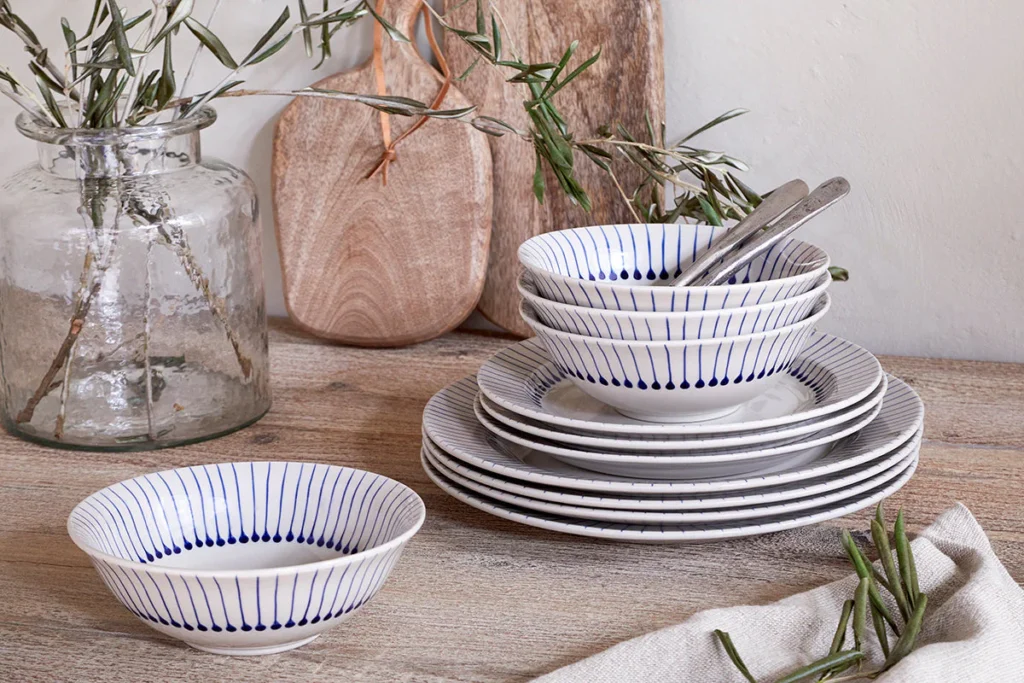
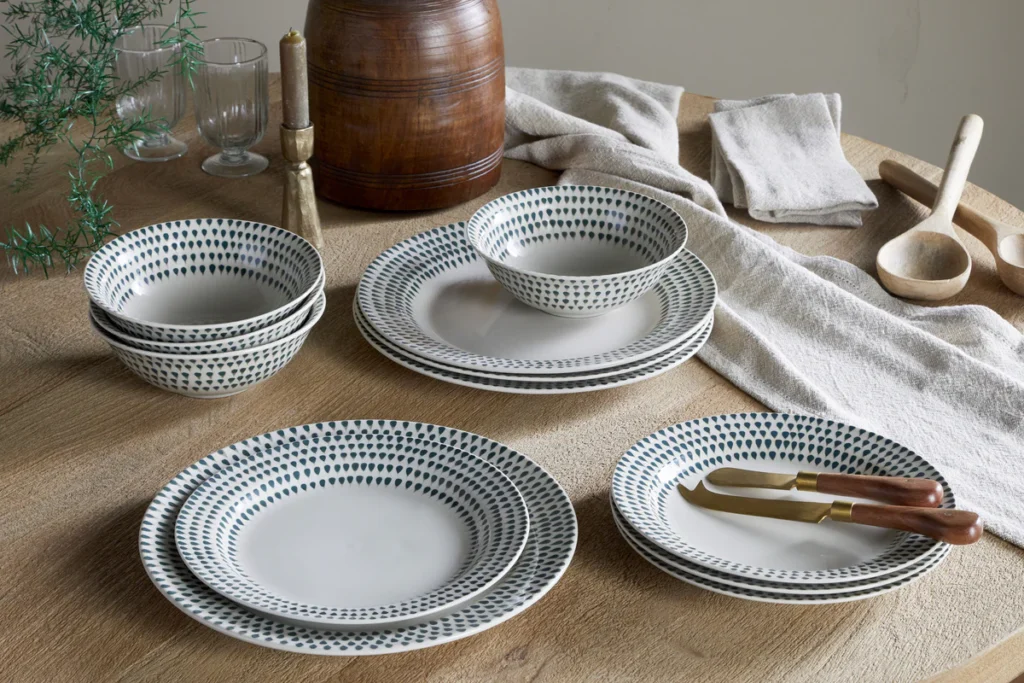
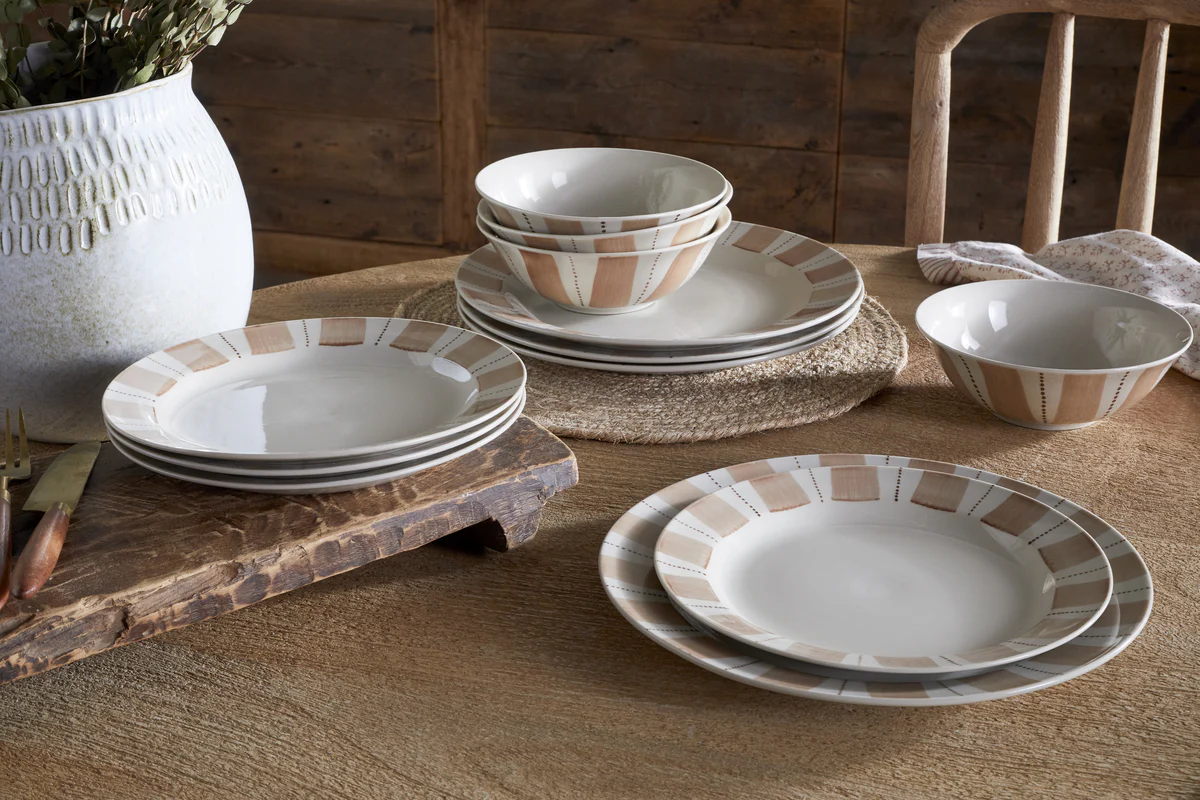
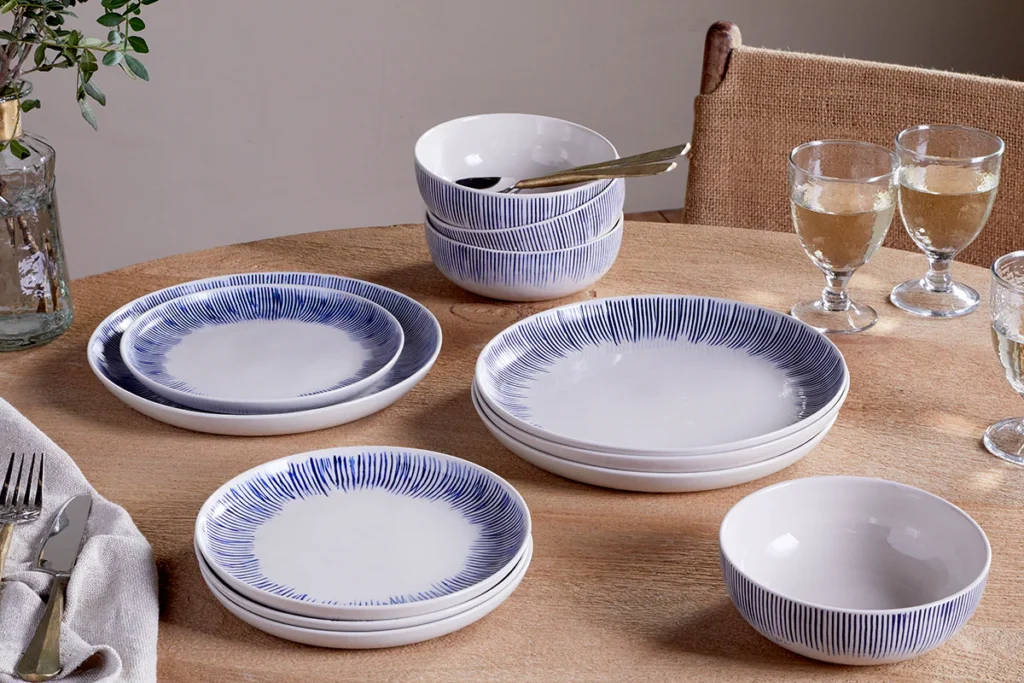
Handcrafted Ceramic Dining Sets
These will be the focal point of your summer dining table scape and durable enough to last your family a lifetime. These are some of our favourites from Nkuku which are hand painted carefully by skilled artisans to create striking pieces. You can pair them with linen napkins and a few sprigs of fresh herbs for a simple but stunning setup. Remember to set up a drinks station with a glass pitcher to keep things plastic-free.
What to Plant: Supporting UK Biodiversity
A garden that looks great should also support local wildlife. Choosing low-maintenance plants that attract pollinators is a great way to support biodiversity. According to the State of Nature report, our domestic gardens have become vital for preserving UK biodiversity. When choosing flowers and plants to add to your garden, considering biodiversity is a great way to help nature.
Here are some of our favourites:
- Lavender and Echinacea: These are beautiful and very low-fuss. They are magnets for bees and butterflies and also smell great too!
- Ornamental Grasses: These provide movement and drama. They need very little water once they are established.
- Grow Your Own Herbs: Rosemary and thyme are drought-tolerant. They are perfect for adding a fresh flourish to your meals.
References and Citations
- Global Wellness Institute: Biophilic Design Evidence and Health Impact
- Business & Interiors: Slow Interiors: Designing for Longevity Instead of Trends
- GOV.UK: Resources and Waste Strategy for England
- State of Nature Partnership: State of Nature 2023 Report