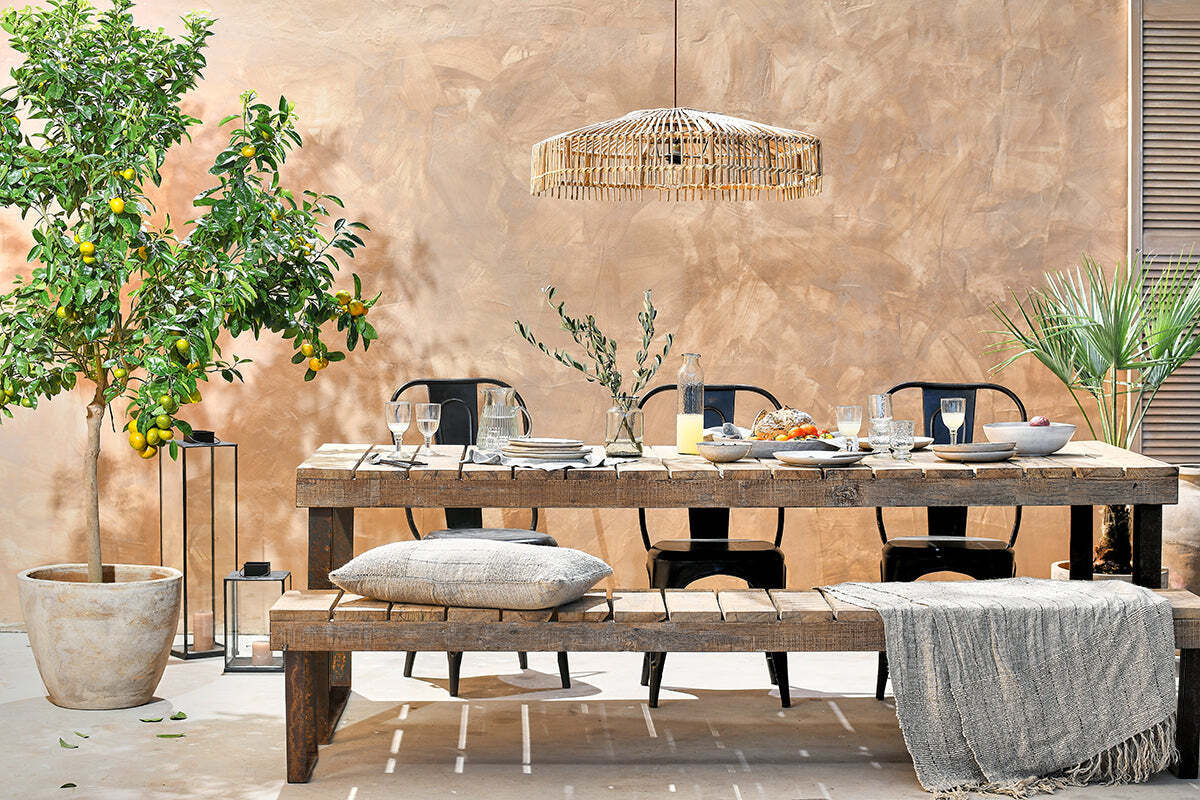

If you have spent any time browsing premium home furnishings online, you have almost certainly encountered Atkin and Thyme. The Hertfordshire-based brand has quietly built a loyal following since its founding in 2014, earning a reputation for furniture that looks expensive, feels considered, and holds up over time.
The Calvin Armchair alone has achieved a kind of quiet cult status. Their marble-topped desks and solid oak dining tables photograph beautifully and, perhaps more importantly, live up to the images once they arrive in your home.
But for shoppers who care about sustainability, the picture is more nuanced. Atkin and Thyme holds no B Corp certification, no FSC accreditation, and publishes no carbon footprint data. What it does have is a genuine commitment to natural and sustainable materials: mango wood is used across a wide range of furniture collections and is described by the brand as sustainable, solid oak features in several dining and bedroom ranges, jute appears in rugs, and outdoor cushions use EcoCore recycled plastic bottle filling. Small-batch production with artisan makers rounds out a picture that, while not certified, is meaningfully better than many mainstream furniture brands. Whether that is enough depends on what you are looking for.
Our Atkin and Thyme review verdict: A strong choice if quality, longevity, and natural materials matter more to you than formal certifications. The furniture is built to last and the design holds up over time – and in sustainability terms, a piece that lasts twenty years, in comparison to five, counts for more than people often realise. If verified credentials are your priority, Nkuku is the stronger option for you; if you want furniture that genuinely earns its place, Atkin and Thyme is worth it.
This Atkin and Thyme review puts the brand through the same eight-lens sustainability framework we apply to every brand on Earthly Treasures. We look at certifications, material sourcing, manufacturing, durability, packaging, end-of-life, labour practices, and business transparency.
Table of Contents
Who Is Atkin and Thyme?
Atkin and Thyme was founded in 2014 and is based in Hertfordshire, England. The brand sits in the upper-middle segment of the UK home furnishings market, between accessible high street retailers and fully bespoke interior design.
The company works with a small number of artisan suppliers and produces furniture in limited batches rather than at mass-market scale. As stated on their About page, collections are made “in limited, low volume batches, which means you won’t find our designs anywhere else.” Designs favour natural materials, muted tones, and silhouettes that borrow from mid-century and vintage traditions.
In 2023, Atkin and Thyme opened a physical outlet store in King’s Lynn, Norfolk, selling ex-display pieces, photography samples, and B-stock at up to 50% off full RRPs. This is a practical step that helps divert quality furniture from landfill, even if it was not framed explicitly as a sustainability initiative.
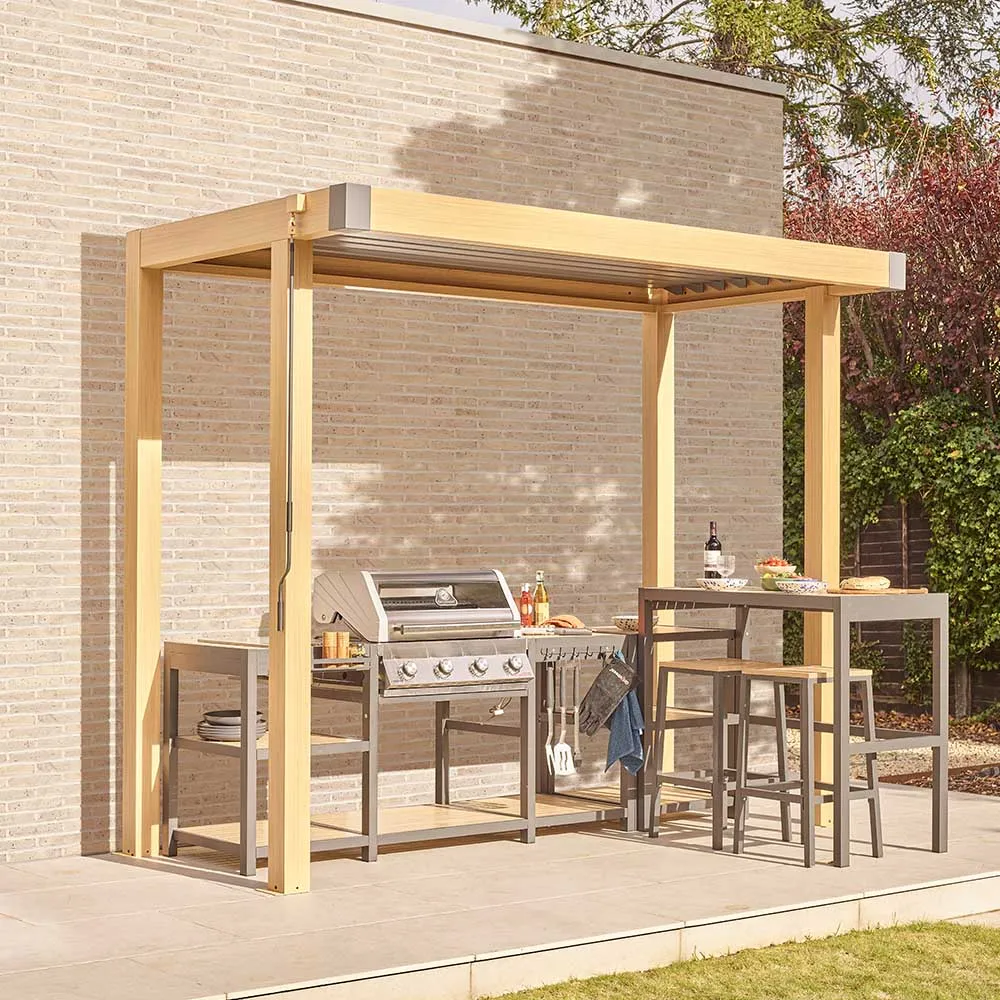
The brand covers a wide range of product categories including furniture, seating, lighting, accessories, bedroom, home office, and a substantial outdoor living range that includes pergolas, gazebos, garden furniture, and outdoor cooking equipment.
Sustainability Credentials
We assess every brand through eight lenses. Here is how Atkin and Thyme perform against each one.
1. Third-Party Certifications
Atkin and Thyme hold no B Corp certification, no FSC (Forest Stewardship Council) accreditation, no GOTS (Global Organic Textile Standard) certification, and no other formal third-party environmental or ethical endorsement we were able to verify. For shoppers who rely on recognised certifications as a shorthand for trustworthiness, this is a meaningful gap.
This does not mean the brand acts irresponsibly. It means there is currently no independent body holding it to account against a published standard. For comparison, brands such as Nkuku hold B Corp certification and Fairtrade accreditation, which provide independently verified assurances. Atkin and Thyme do not offer an equivalent.
2. Material Sourcing
Atkin and Thyme use wood, stone, jute, and cotton across their ranges and they have made a solid effort to use sustainable materials in some of their collections, but not all of them. Mango wood features heavily in furniture collections, including the Henley Console Table, Reeves Dining Table, Logan Dining Table, Quinn Writing Desk, and Aviator Armchair, and is described on product pages as “sustainable mango wood” (mango trees are typically grown for fruit and the timber is harvested at the end of their fruit-bearing life). Solid oak appears in the Umi, Cruz, and Byron dining collections. Rugs use jute and cotton, and outdoor scatter cushions use EcoCore recycled plastic bottle filling. Their material sourcing effort shows a positive start to reducing their impact which will only be improved over time.
However, it must be noted that Atkin and Thyme does not publish timber sourcing information and holds no FSC certification. Without independent verification, sustainability claims at product level cannot be externally confirmed.
3. Manufacturing Process
Atkin and Thyme describes working with artisan makers and producing furniture in limited batches. Their About page confirms: “The artisans we work with make all our furniture collections in limited, low volume batches.” This approach, if genuine, has real advantages from a sustainability perspective: small-batch production reduces overstock and waste, and working with skilled craftspeople tends to result in more durable pieces built to be repaired rather than replaced.
The brand does not disclose the countries in which its furniture is manufactured, and provides no information about energy use, emissions, or waste management at factory level. This limits independent assessment of its manufacturing footprint.
4. Durability and Longevity
This is arguably where Atkin and Thyme perform best. The brand’s design philosophy centres on timeless, classic aesthetics rather than trend-led pieces that date quickly. A Calvin Armchair or a Cruz dining table is unlikely to look out of place in ten or fifteen years and not need to be replaced, which is exactly the thinking that underpins sustainable purchasing.
Customer reviews consistently highlight build quality and longevity as strengths, and the materials used, particularly solid oak and marble, are inherently long-lived. Atkin and Thyme also publishes a dedicated product care guide, covering material-specific maintenance advice. Consumers who know how to care for their furniture are more likely to keep it for longer.
5. Transport and Packaging
Atkin and Thyme delivers to mainland UK and offers free delivery on qualifying orders. Larger furniture pieces are typically delivered by a two-person team.
The brand does not publish information about packaging materials, whether it uses recycled or recyclable packaging, or what its logistics carbon footprint looks like. This is a gap in communication rather than necessarily a gap in practice, but it makes independent assessment impossible.
6. End-of-Life and Circularity
Atkin and Thyme does not operate a formal take-back scheme, repair programme, or resale platform. There is no structured way to return furniture at the end of its life.
The outlet store in King’s Lynn does play a circularity-adjacent role by offering ex-display and sample pieces rather than discarding them. But this is a relatively minor contribution, and the brand does not appear to have a published strategy for end-of-life furniture management.
The durability of the materials used means Atkin and Thyme pieces are likely to find a second life through resale rather than landfill, but this is a happy consequence of quality rather than a deliberate circular economy initiative.
7. Fair Labour and Working Conditions
Atkin and Thyme does not publish a supplier code of conduct, a Modern Slavery Act statement, or any other documentation relating to labour standards in its supply chain. The emphasis on working with artisan makers suggests a relationship-based sourcing approach, which can be a positive indicator, but it is not a substitute for published commitments and third-party verification.
The absence of supply chain transparency is common across the mid-market furniture sector. It does not necessarily signal poor practice, but it does mean independent verification is not currently possible.
8. Business Model and Transparency
Atkin and Thyme is a privately held UK company. It does not publish an annual sustainability report, environmental policy, or impact statement. Its About page focuses on design heritage and aesthetic values rather than environmental or social commitments.
The limited-batch, artisan production model is a structural positive: it implies less waste through overproduction and a closer relationship with suppliers. But without published data or commitments, it is difficult to assess the full picture. The brand has the building blocks for a compelling sustainability story. It has not yet chosen to tell it.
What Does Atkin and Thyme Sell?
Atkin and Thyme covers a wide range of home categories. Here is a breakdown of their key ranges.
Seating
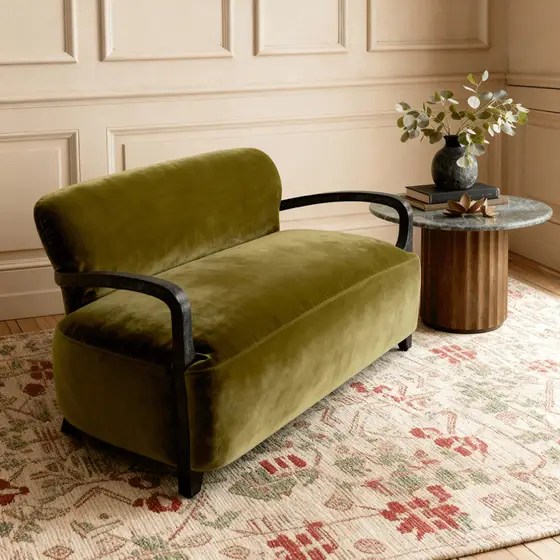
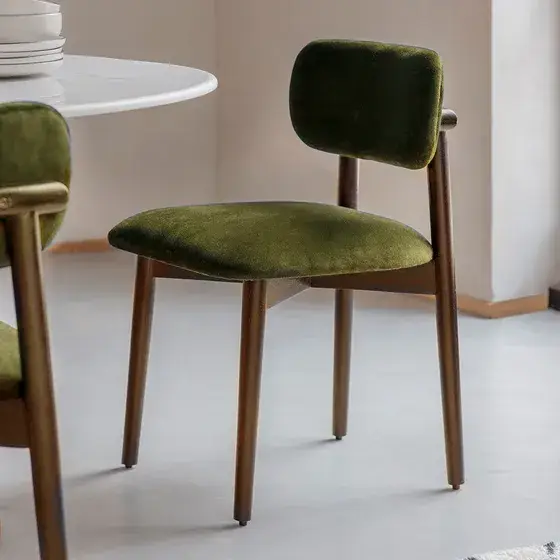
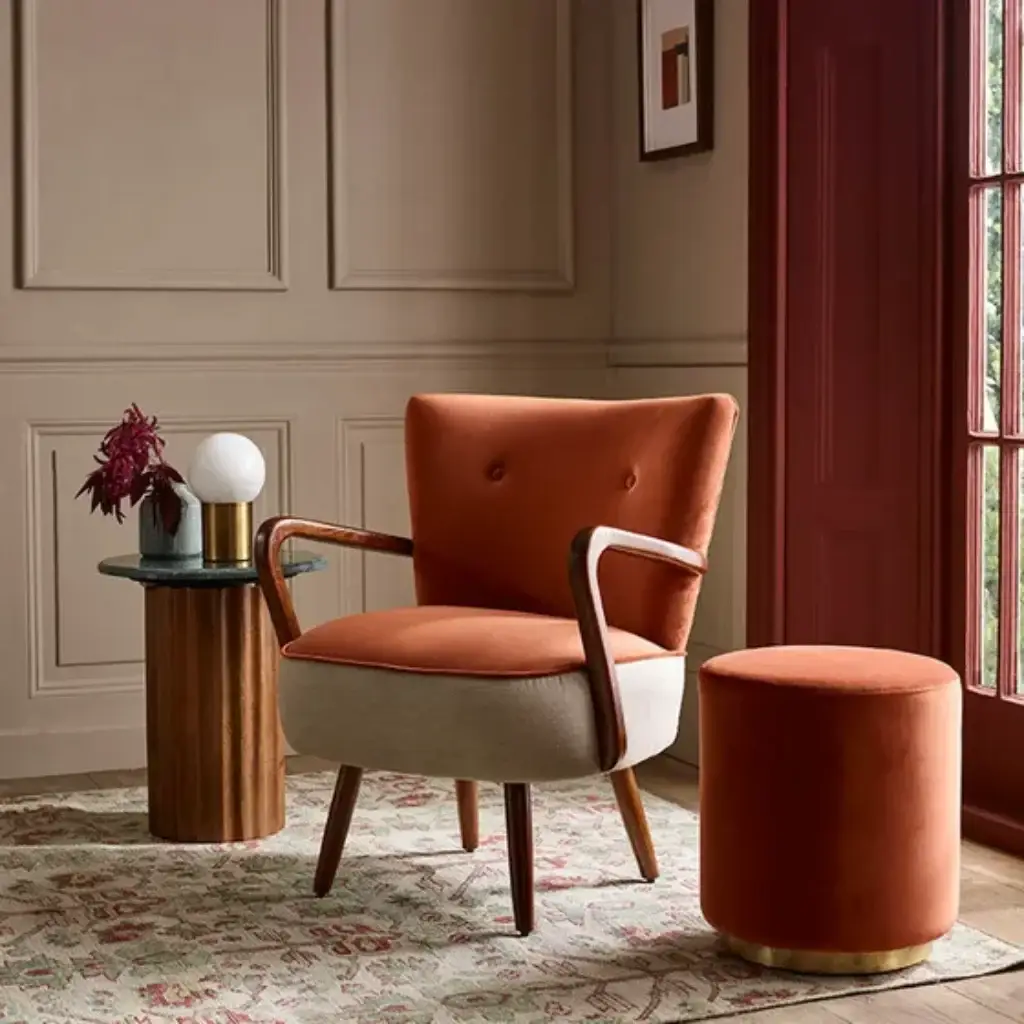
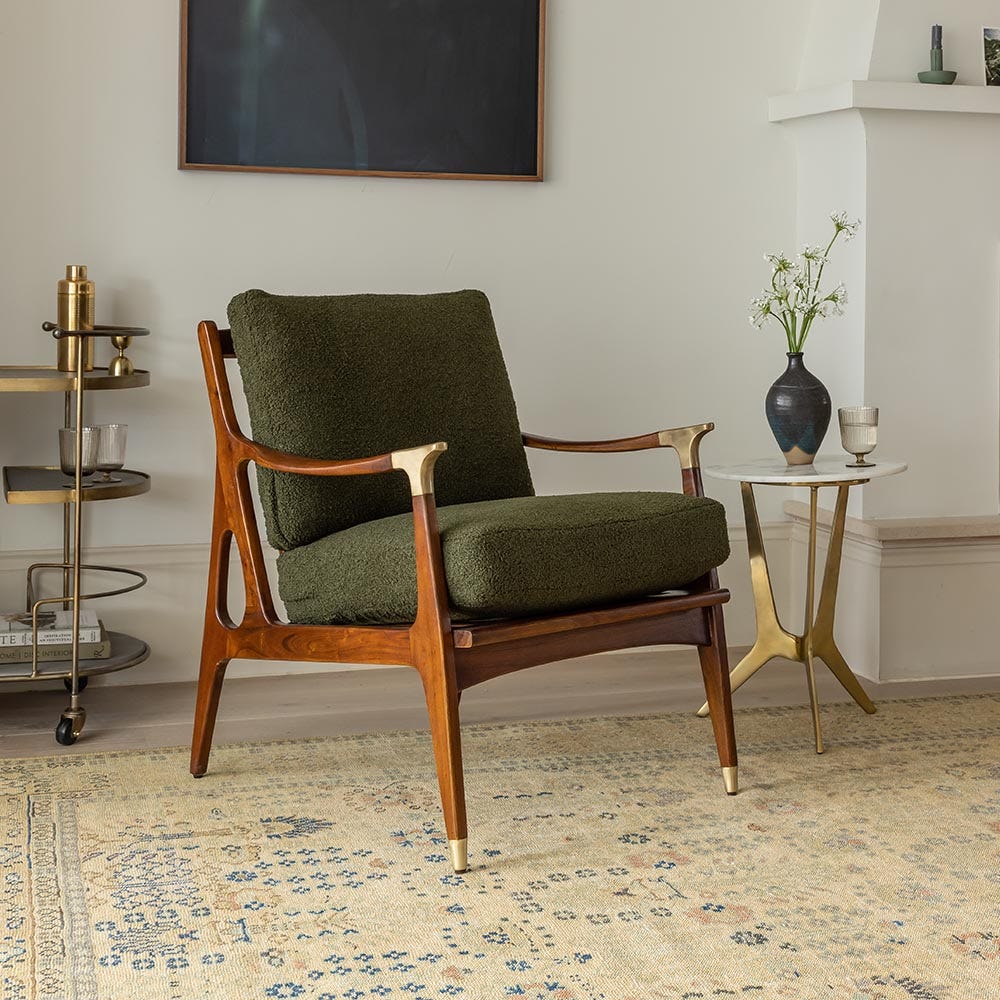
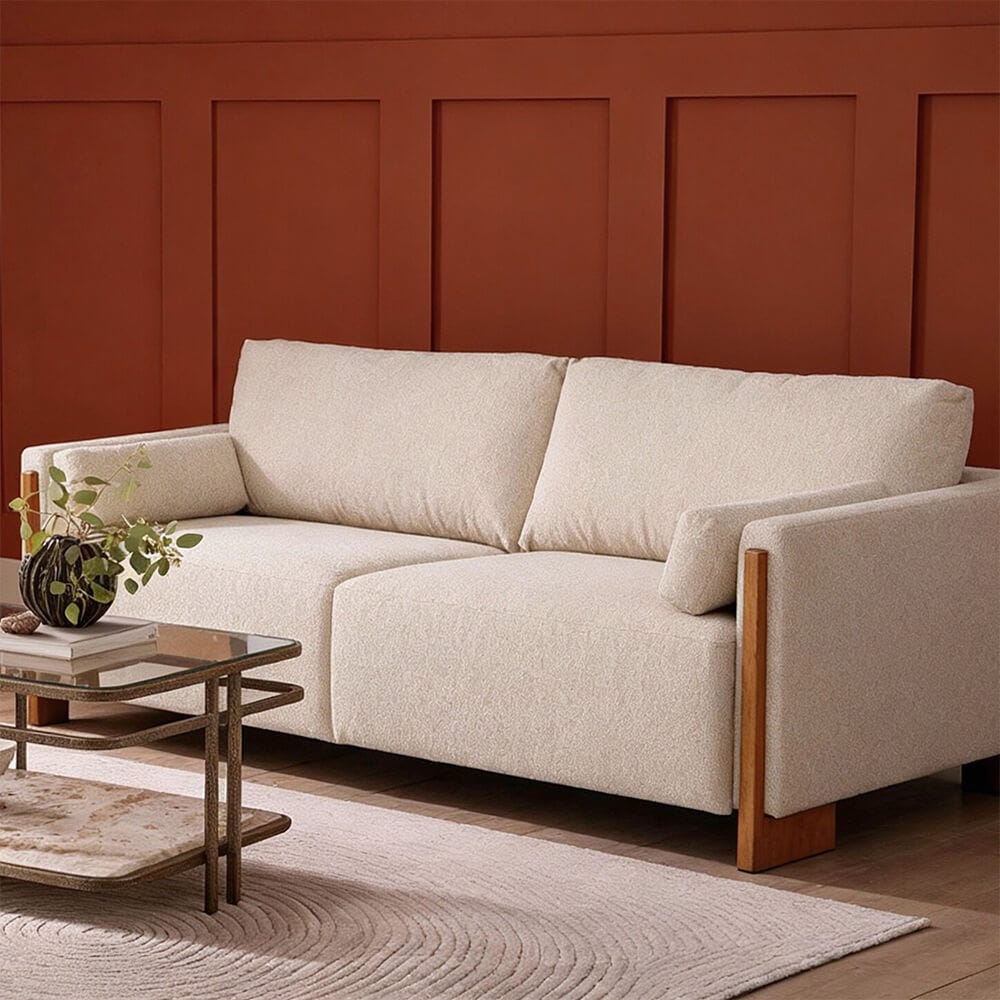
Seating is a core strength. The Calvin Armchair is the brand’s most recognised piece, available in velvet, textured weave, and striped cotton. The Barnaby, Bonnie, Lexington, and Aviator styles extend the range from occasional chairs through to loveseats. The made-to-order sofa range (Fitzroy and Hampton collections) offers a more bespoke fit. Dining chairs span velvet, cotton rug, and upholstered styles.
Browse Atkin and Thyme Seating at Earthly Treasures:
Furniture
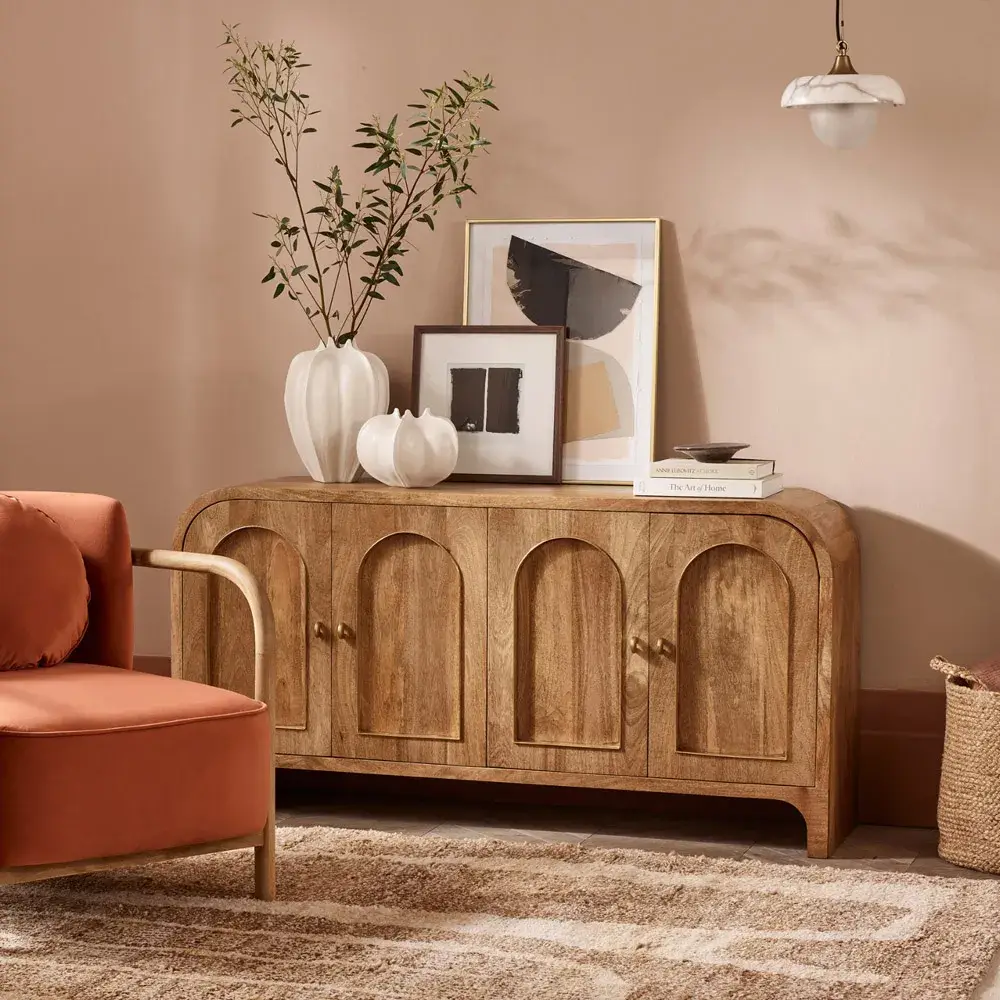
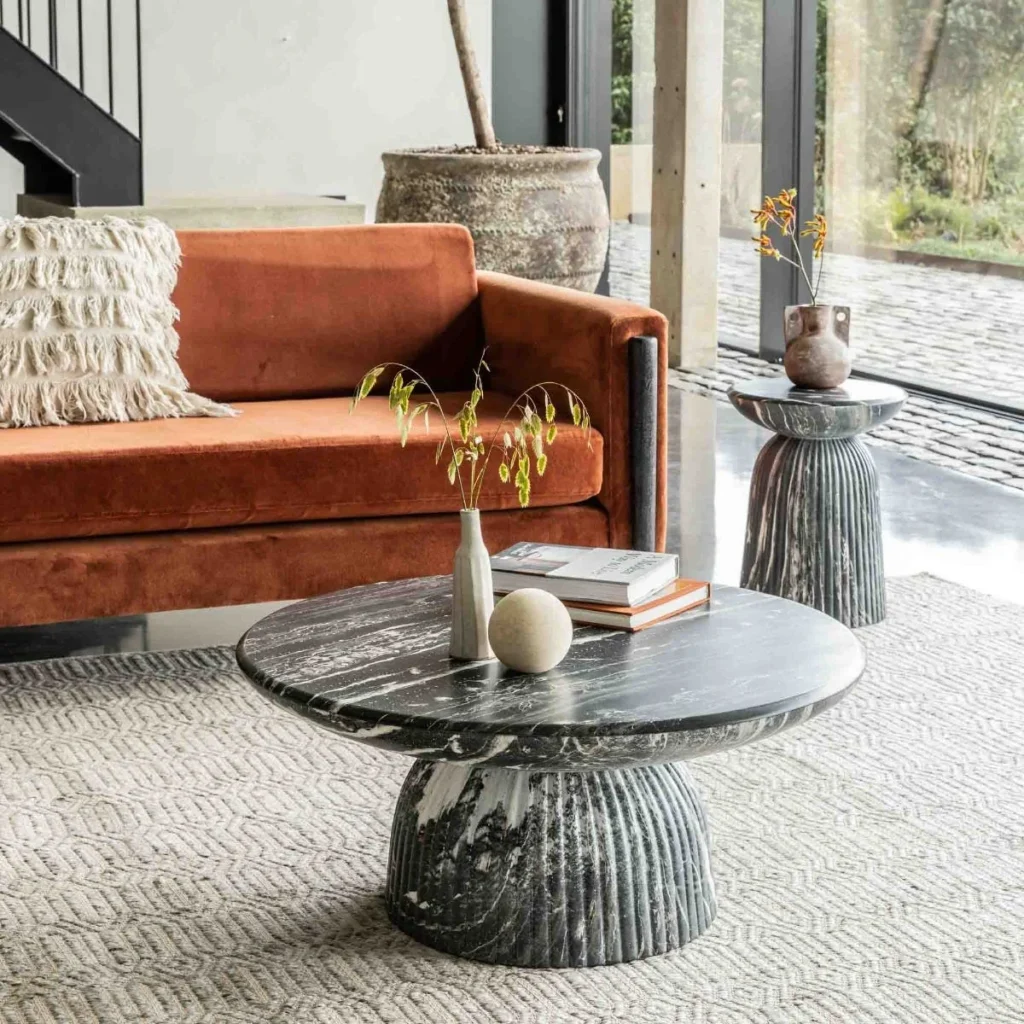
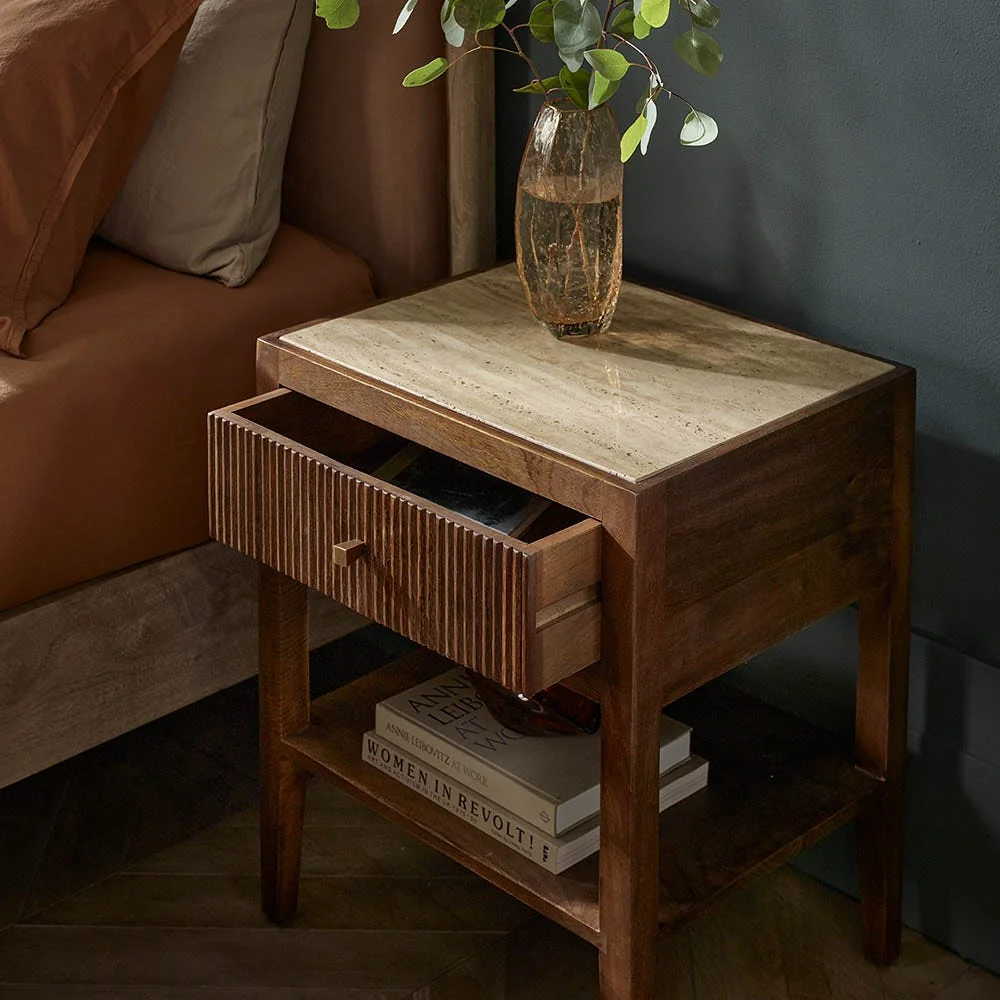
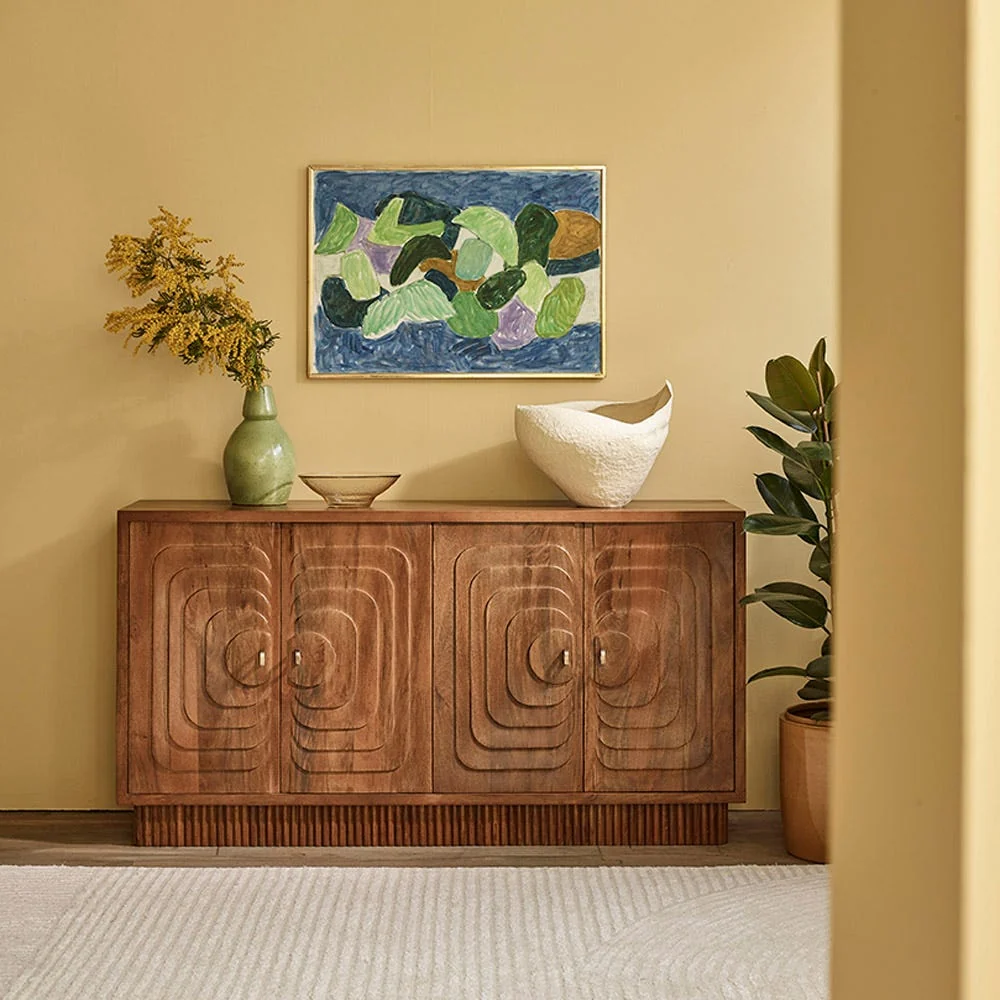
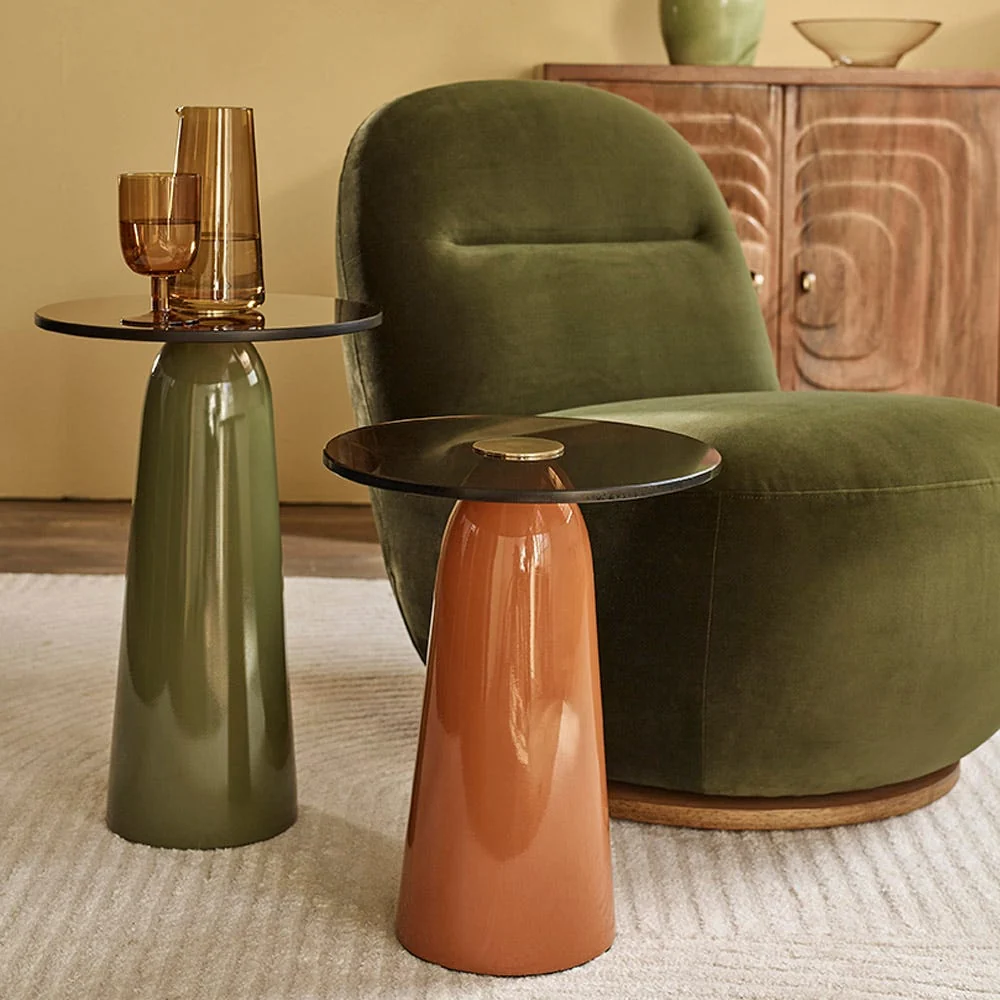
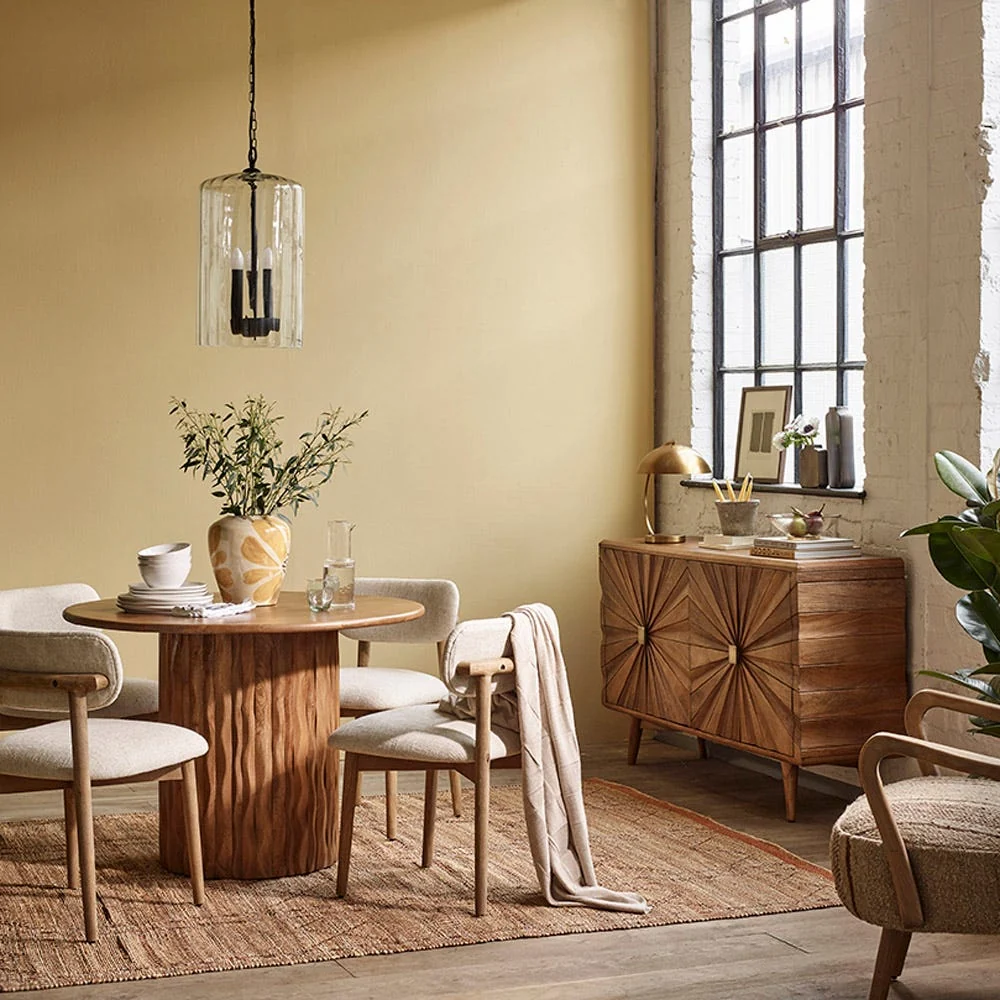
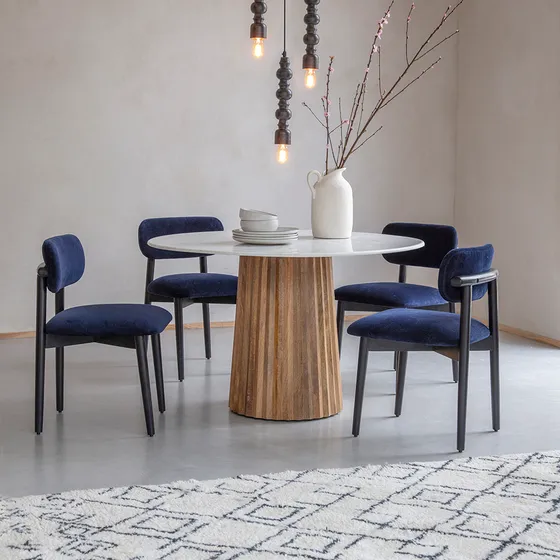
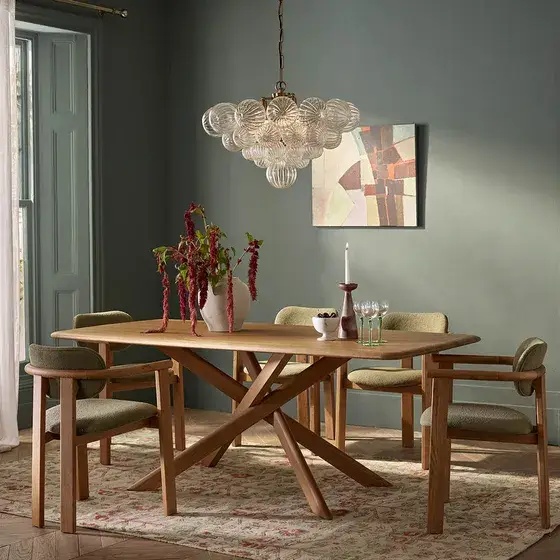
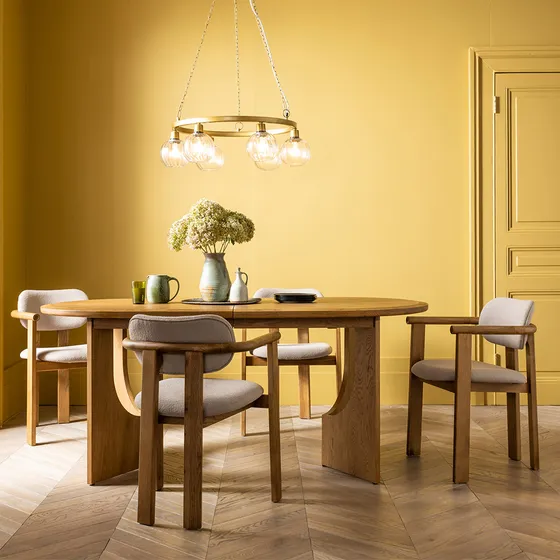
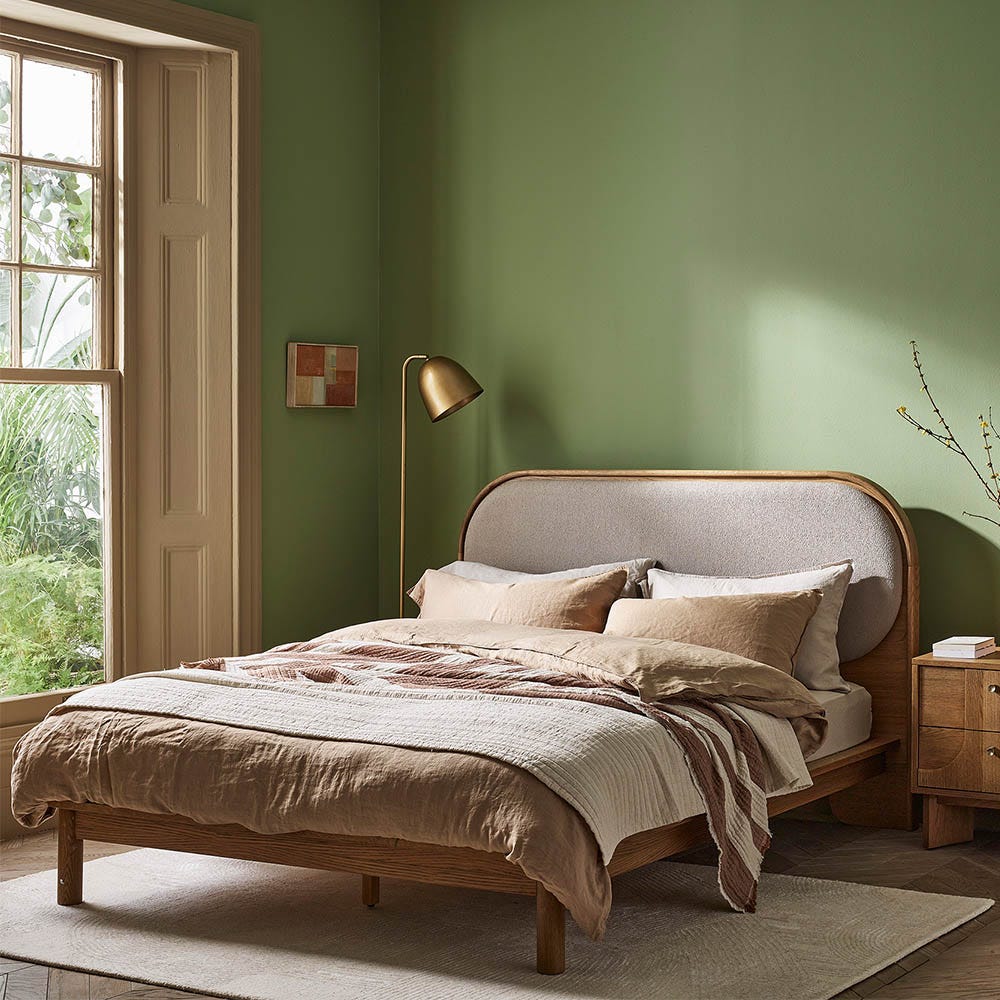
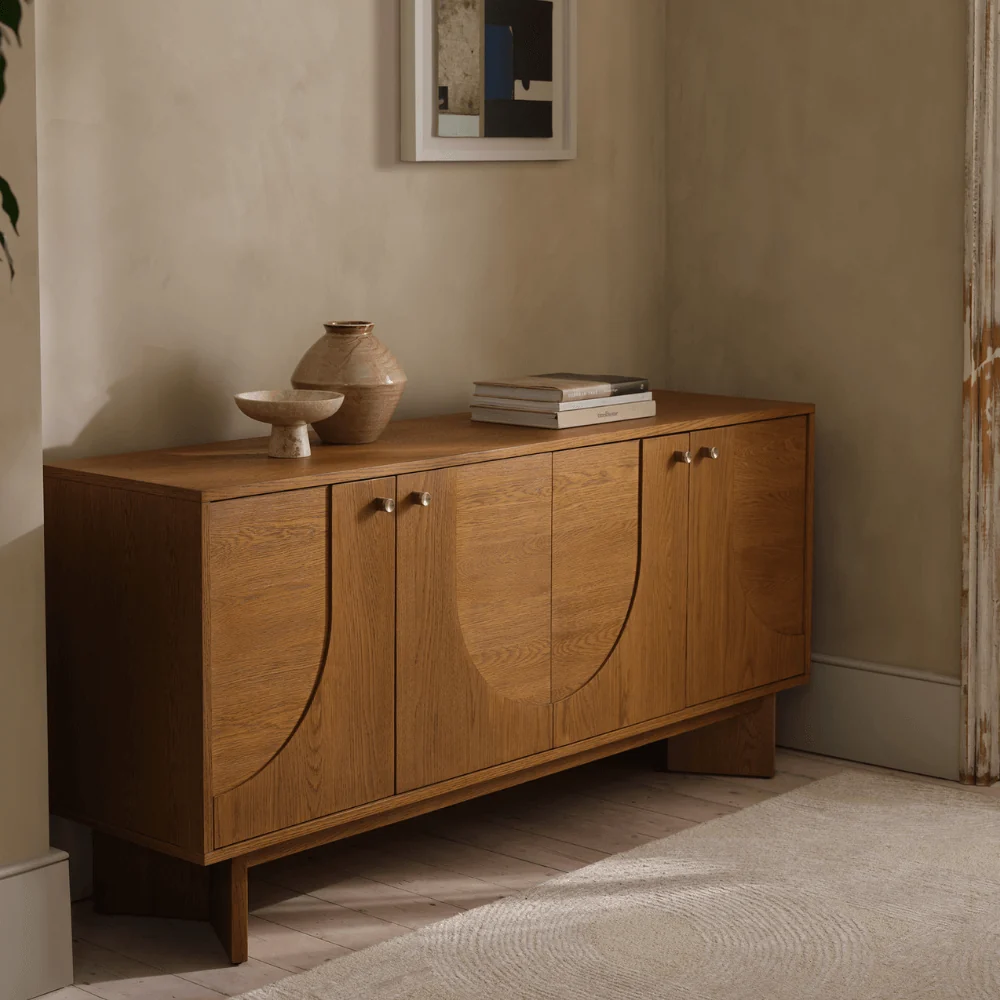
The furniture range covers dining, living, bedroom, and home office. Dining tables feature mango wood and solid oak across collections including the Reeves, Logan, Umi, Cruz, and Byron. Sideboards, coffee tables, side tables, and console tables span finishes from brass-framed mango wood to marble-topped and rattan-accented pieces. Bedroom furniture includes beds, bedside tables, and chests of drawers.
Browse Atkin and Thyme furniture at Earthly Treasures:
Lighting
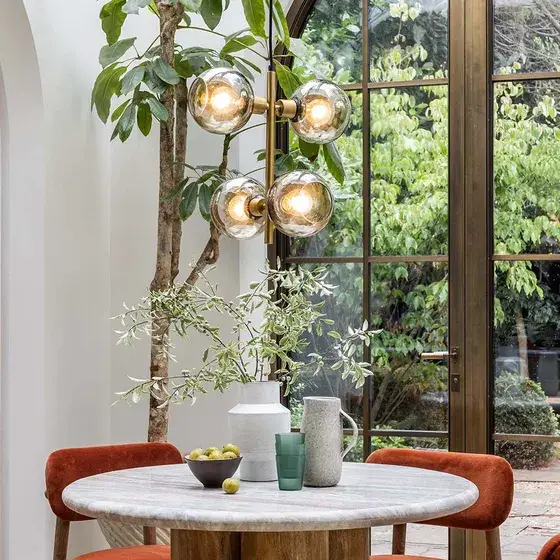
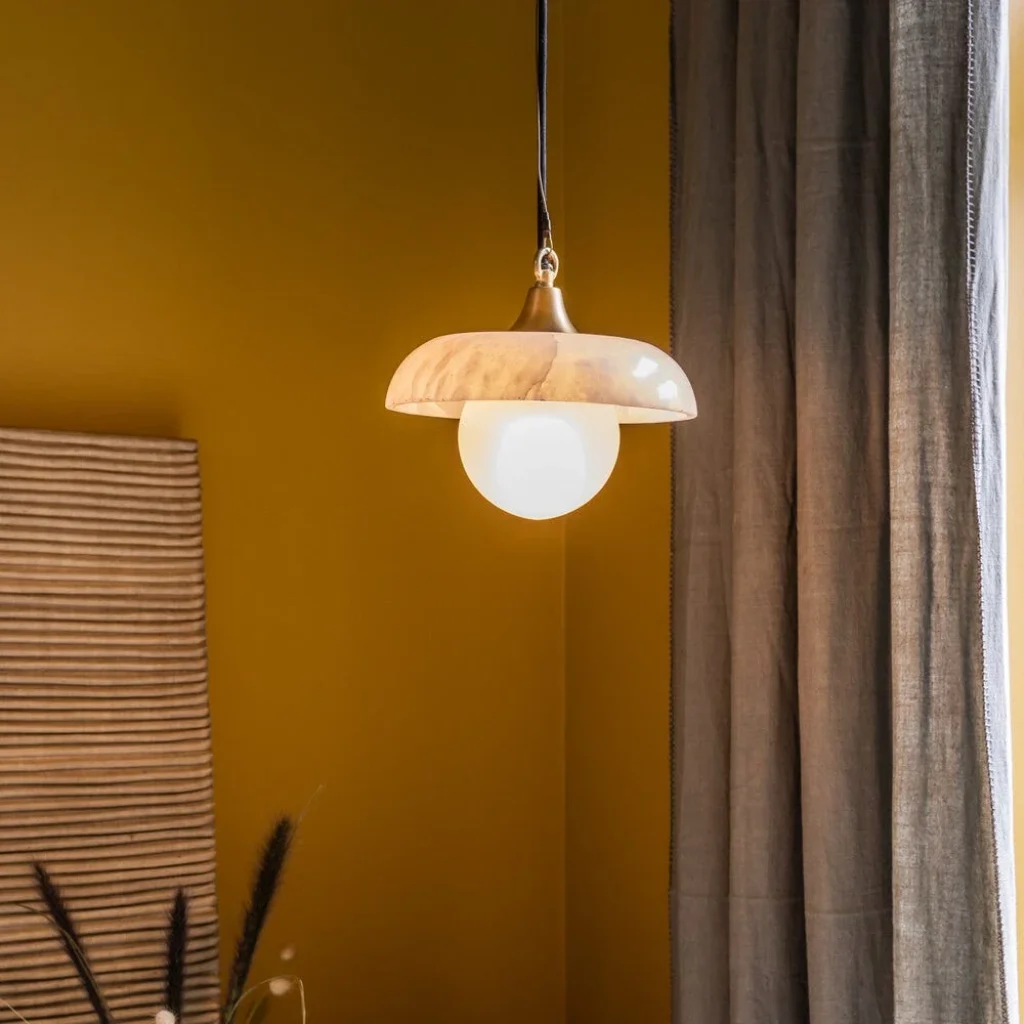
Pendants, table lamps, floor lamps, and desk lamps, covering industrial, contemporary, and mid-century styles. Statement alabaster pendants and adjustable brass desk lamps are among the standout pieces. This is the Mina pendant light pictured right.
Browse Atkin and Thyme Lighting at Earthly Treasures:
Quality and Craftsmanship
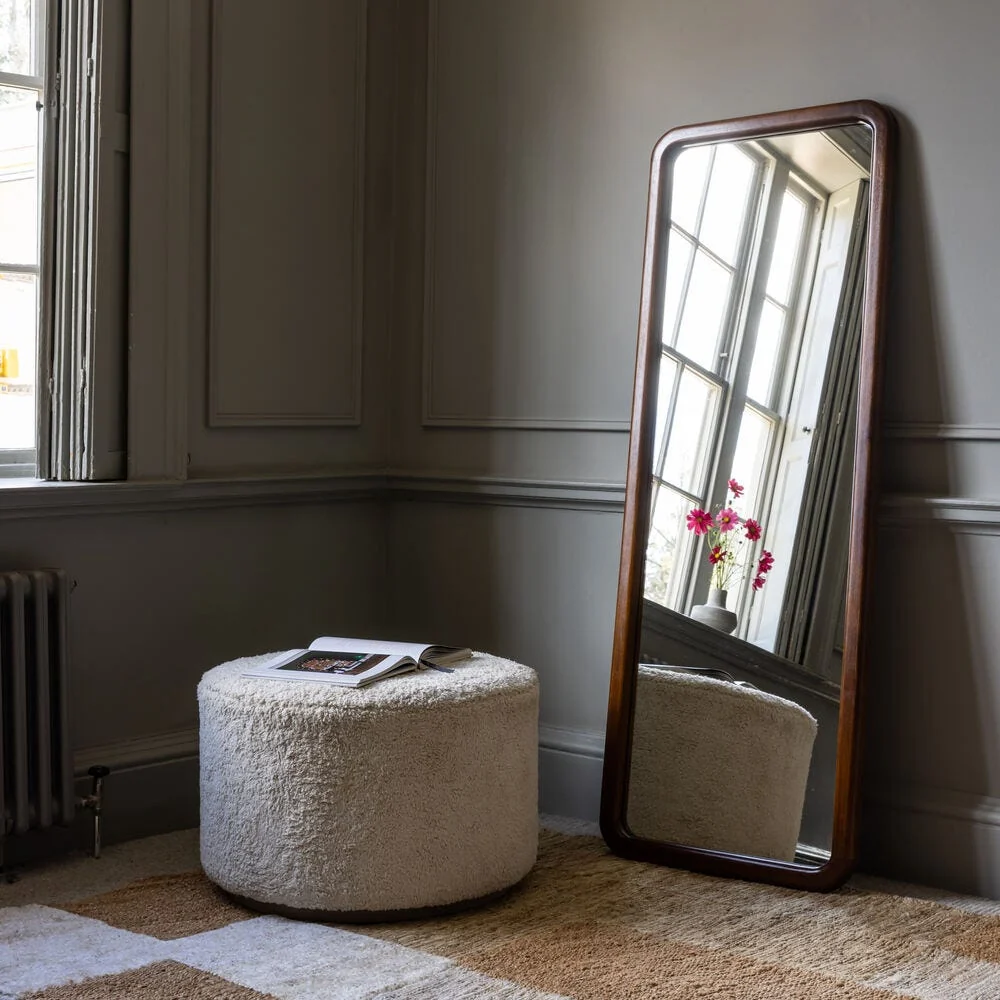
The quality of Atkin and Thyme furniture is consistently described by customers as a genuine strength. Solid oak pieces are well-jointed and substantial. Upholstered chairs are tightly finished, with fabric sitting neatly over well-constructed frames. Marble surfaces are properly sealed and protected in transit.
The Calvin Armchair, in particular, is widely praised for its longevity. Customers report that after several years of ownership it holds its shape, the fabric does not pill, and the legs show no signs of instability. The brand notes on its About page that the Calvin has “the classic proportions of an antique French chair, which gives it a timeless appeal that can be mixed in with classic or contemporary schemes.”
The made-to-order sofa range is produced to order rather than warehoused in bulk, which is a positive indicator of intentional production and reduced waste. Atkin and Thyme publishes a product care guide with material-specific advice, which is a small but useful detail that supports long-term ownership.
Price Range
Atkin and Thyme sit firmly in the premium mid-market. Lighting and accessories start from around £130 to £160. Armchairs range from approximately £600 to £900. Dining tables typically run from £900 to £1,500. The Outdoor Range, particularly the Pergola systems, reaches into several thousand pounds.
For the price bracket, the quality and longevity on offer represent reasonable value. These are not pieces you replace every few years, and that long ownership horizon justifies the upfront cost from both a financial and environmental perspective.
The outlet store at King’s Lynn offers a more accessible entry point for ex-display and sample pieces, often at up to 50% off full RRPs. It is worth checking if you are open to slight imperfections or previous showroom use.
Customer Reviews
Atkin and Thyme holds a 4-star rating on Trustpilot based on over 440 reviews at the time of writing. Positive reviews consistently highlight product quality, delivery experience, and the accuracy of product photography.
Critical reviews tend to focus on customer service responsiveness in cases of damage on delivery, and in a smaller number of cases, longer-than-expected lead times for made-to-order pieces. These are issues that affect many furniture brands rather than being specific weaknesses.
You can read current Atkin and Thyme reviews on Trustpilot.
Pros and Cons
- Mango wood, solid oak, marble, jute, and cotton used extensively across the range
- Mango wood described as “sustainable” on product pages – typically a by-product of fruit farming
- EcoCore recycled plastic bottle filling in outdoor scatter cushions
- Timeless, classic designs that do not date quickly
- Limited-batch handcrafted production with artisan makers
- Made-to-order sofa range reduces excess stock and waste
- Outlet store sells ex-display and sample pieces rather than discarding them
- No B Corp, FSC, or other third-party sustainability certifications
- No supply chain transparency or published environmental commitments
- No carbon footprint reporting or net zero targets
- No end-of-life take-back or repair programme
- Premium price points are not accessible to all budgets
- Natural material variation can differ slightly from product photography
Our Verdict on Atkin and Thyme
Atkin and Thyme is a genuinely good furniture brand. Its design sensibility is strong, its quality is consistent, and its emphasis on natural materials and timeless aesthetics aligns well with the principles of buying less but buying better.
From a sustainability standpoint, the picture is mixed. The brand’s durability focus and limited-batch production model are real positives. So too are its efforts to introduce sustainable materials across their collections such as jute, mango wood, solid oak and rattan which have been introduced across a wide range of their collections. The sustainable materials used across their collections also come in a range of excellent styles and budgets, so for most consumers this is all they need. The absence of third-party certifications, supply chain transparency, and any formal environmental commitments is a limitation, however this is common for furniture brands like this. We can see their genuine solid effort in using sustainable materials across their range, but if you are looking for a certified sustainable brand with published targets and independent verification, Atkin and Thyme is not there just yet (but that’s not to say it won’t be in the future).
If you are looking for high-quality furniture built to last, made from natural materials, and designed to look relevant for decades, Atkin and Thyme is one of the stronger options in its price bracket. My recommendation: buy with quality and longevity in mind, use their product care guide to protect your pieces, and consider the outlet store if your budget is limited. The planet is better served by one well-made chair that lasts twenty years than three trend-led ones that do not.
Shop Our Favourite Atkin and Thyme Picks
These are our top picks across entry, mid, and premium price points. Tap the link to shop below.
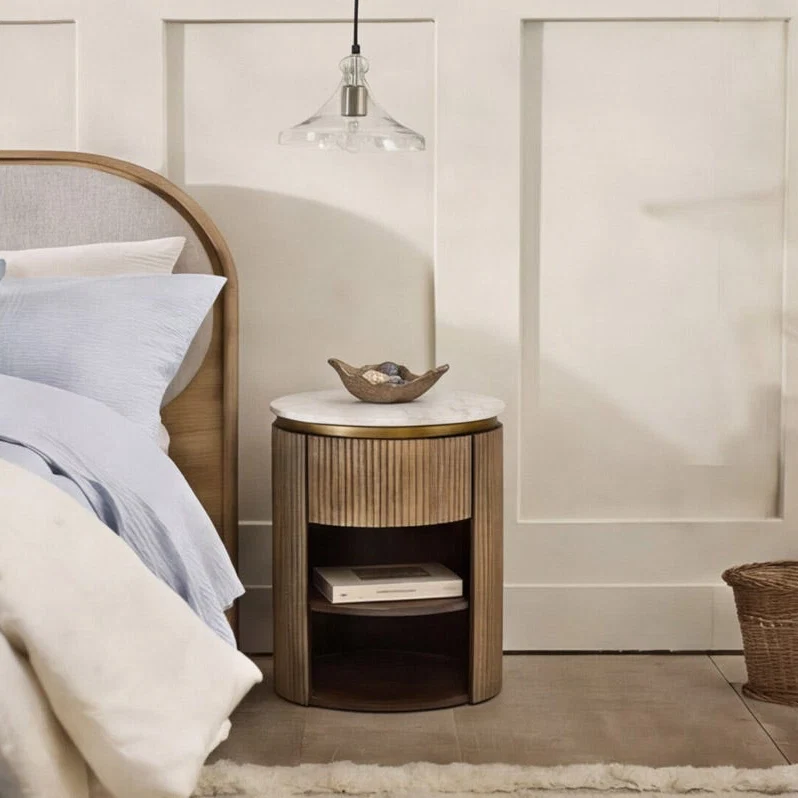
Entry (under £300)
Mid-Range (£300–£800)
Premium (£999+)
What are some of your favourite Atkin and Thyme pieces? Let us know in the comments below!